
Lieferung heute & morgen

Qualitätsgarantie

Willkommens-Angebote freischalten: KOSTENLOSE Lieferung | Bis zu 80 % RABATT | Kostenlose 30-Tage-JoyPlus-Testphase
App herunterladen
The selection of colored pencils can be overwhelming. From sets for a child's first coloring attempts to professional artist-grade colored pencils for detailed illustrations, the market offers an enormous variety. This guide will help you understand the features and differences so you can find the perfect colored pencil set for your specific needs, whether it's for drawing and coloring for school, for relaxing with a coloring book, or for demanding art projects.
To make an informed decision, you should consider a few fundamental criteria. The quality of a pencil depends on the composition of its lead, its pigmentation, and its overall construction.
The lead is the primary factor determining the drawing experience. The main distinction is between wax-based and oil-based leads.
The lead hardness is also crucial. Soft leads release a lot of color and are suitable for covering large areas, while hard leads enable precise strokes for outlines and details.
The intended application is the most important factor in your selection.
Watercolor pencils are a special category. Their leads contain water-soluble pigments. You can draw with them dry, just like normal colored pencils. The special effect occurs when the drawing is later worked over with a wet brush: the colors dissolve and create soft washes, reminiscent of classic watercolor painting. They are excellent for combining drawing and painting techniques.
Based on the criteria mentioned, we have compiled a selection of products that cover different areas of application.
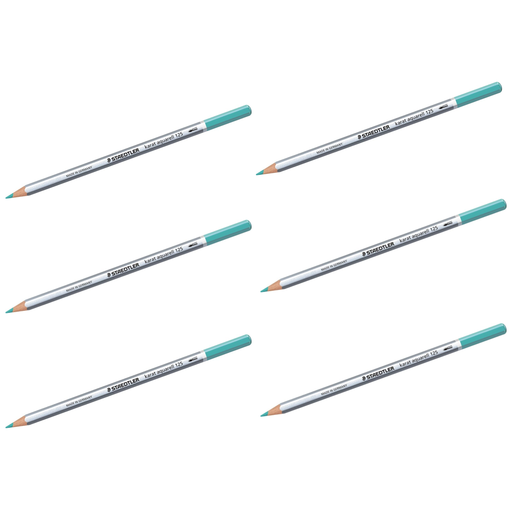
Why it stands out: This pencil is a specialist for watercolor techniques. It allows for a seamless transition between precise drawing and broad painting as soon as water is introduced.
Advantages:
Who is it for? For artists, illustrators, and ambitious hobbyists who want to combine the precision of colored pencils with the expressive power of watercolors.
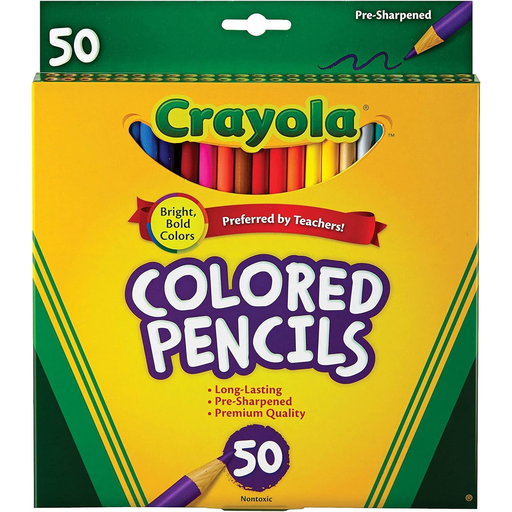
Why it stands out: This colored pencil set offers an enormous variety for creative projects with 50 different colors and is ready to use right out of the box.
Advantages:
Who is it for? Ideal for children and students, but also for adults looking for a versatile and straightforward set for everyday creative tasks like coloring mandalas or journaling.
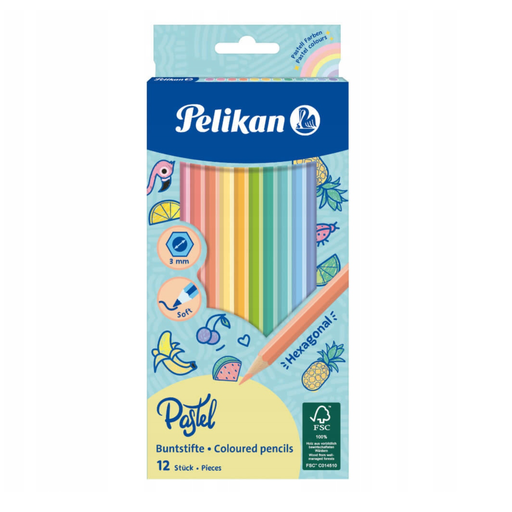
Why it stands out: This set focuses on a specific color world, offering 12 curated pastel tones for special artistic accents.
Advantages:
Who is it for? For creatives specifically looking for a pastel color palette to give their drawings, sketches, or craft projects a special character.
If you haven't found the right set in our selection or are looking for an even greater variety of brands and pencil types, it's worth taking a look at our main category. There you will find a comprehensive selection for every need and every budget.
The main difference lies in the binder used in the lead. In watercolor pencils, the binder is water-soluble. While normal colored pencils have a wax- or oil-based lead that is water-resistant, the pigments in watercolor pencils dissolve on contact with water and can be painted with like watercolor paint.
For children's coloring pencils, three aspects are particularly important:
Lightfastness indicates how resistant the color pigments are to fading from light exposure. Many manufacturers of artist-grade colored pencils use a rating system, often in the form of stars or standardized codes (e.g., ASTM D6901). A high lightfastness rating (e.g., three stars) is crucial for professional artists who want to sell or exhibit their work, as it preserves color vibrancy for decades. For hobby use or sketchbooks, this factor is less critical.