
Lieferung heute & morgen

Qualitätsgarantie

Willkommens-Angebote freischalten: KOSTENLOSE Lieferung | Bis zu 80 % RABATT | Kostenlose 30-Tage-JoyPlus-Testphase
App herunterladen
If you want to buy German white wine online, you’ll quickly find a wide selection from Rheinhessen, the Palatinate, Baden and other wine regions. But product pages differ in more than just price. Grape variety, residual sugar, acidity, alcohol content, bottle size and packaging all influence whether a wine suits your taste, your meal or the amount you plan to stock up on.
Riesling can be made in dry, medium-dry or medium-sweet styles. The grape variety alone therefore doesn’t tell you how sweet the wine will taste. Also look for terms such as dry, medium-dry or medium-sweet, or check the specific residual sugar figures.
A dry Riesling often focuses on freshness and acidity. A medium-dry Riesling may seem more approachable thanks to its higher residual sugar. A touch of sweetness can work well for beginners or with spicy food, while dry wines often pair better with fish, vegetables or light starters.
A white wine from Rheinhessen, a white wine from the Palatinate or a white wine from Baden tells you where it comes from, but not necessarily whether you’ll enjoy it. So check the grape variety, winemaking style, alcohol content, acidity and producer’s notes too.
Rheinhessen, for example, produces Riesling, Chardonnay and Pinot Blanc. The Palatinate also offers Riesling, Chardonnay and Pinot Gris. Baden is known, among other varieties, for Müller-Thurgau and Pinot Blanc. Treat the regional name as a useful guide, not the only factor in your decision.
A six-bottle pack of white wine can be a good choice for parties, regular meals or stocking up. If you only drink wine occasionally, though, bear in mind how long it will keep once opened. A single 0.75-litre bottle of white wine is easier to plan for a quiet evening. A 1-litre bottle of white wine or bag-in-box white wine gives you more volume, but requires suitable storage and a plan for using it.
These pairings are general guidelines. The details on the individual label and product description are what matter most.
Residual sugar and acidity are usually given in grams per litre. One example from the range is Pfaffmann MP Riesling, with 6.5 g/l residual sugar, 7.0 g/l acidity and 12.5 % vol. alcohol. Dr. Hinkel Framersheimer Bacchus is described as having 15.0 g/l residual sugar, 4.8 g/l acidity and 11.5 % vol. alcohol.
These figures are useful for comparing wines, but they can’t replace a tasting. A wine with more residual sugar may taste rounder, while higher acidity can give a fresher impression. Always drink alcohol responsibly. Check allergen information before you buy, especially details of sulphur dioxide and sulphites.
For a six-bottle pack, check the total quantity and volume of each bottle: six bottles of 0.75 l each add up to 4.5 l. A screw cap makes a bottle easy to open and reseal. A 3-litre bag-in-box white wine can be handy if you drink it often; once opened, follow the producer’s storage instructions and guidance on how soon to use it.
If you look for organic or sustainability credentials, check for a specific certification. For example, the St. Antony Rotschiefer Riesling lists the organic inspection body code DE-ÖKO-039. Biorebe Riesling is described as both organic and vegan. These specific details are worth distinguishing from general marketing claims.
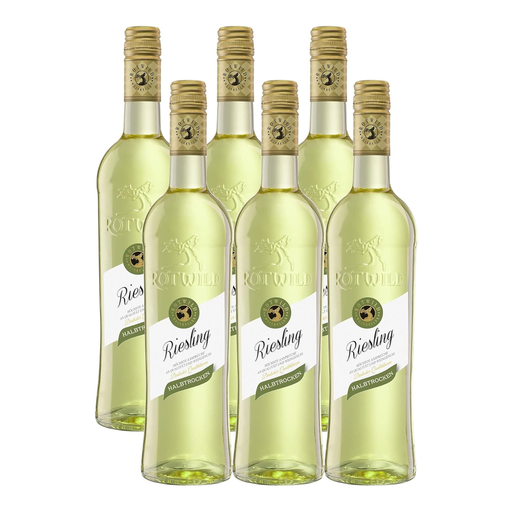
Why this product suits this profile: The six-bottle pack contains 4.5 l in total, making it a good fit for households that regularly serve white wine with light meals or when entertaining.
The flavour style, grape variety, alcohol content and bottle size are clearly stated, so you can assess the pack size before buying.
Riesling, medium-dry, 6 x 0.75 l, 11 % vol. and a screw cap.
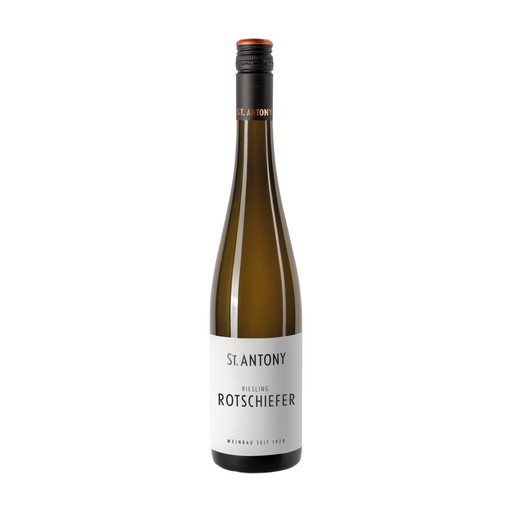
Why this product suits this profile: Its origin in the Roter Hang area of Rheinhessen, biodynamic growing methods according to the product information, and recommended serving temperature of 9 to 12 °C give you clear criteria to consider.
The choice is based on more than the region: the grape variety, ageing in stainless steel tanks, organic inspection body code and alcohol content are also specified.
Riesling from Rheinhessen, 0.75 l, 11 % vol., screw cap and DE-ÖKO-039.
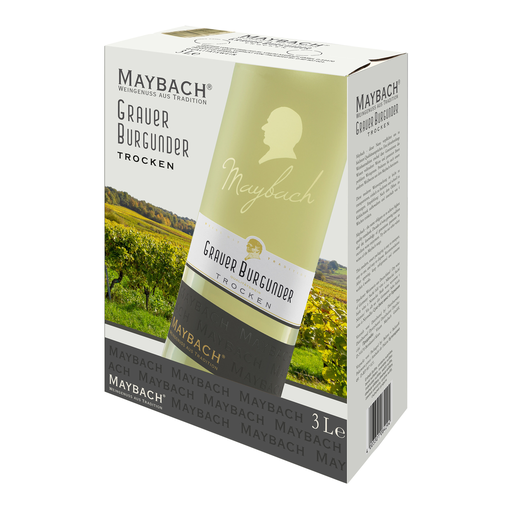
Why this product suits this profile: The 3-litre bag-in-box format is designed for buyers who serve wine regularly and would rather store fewer individual bottles.
The volume, packaging, grape variety and storage advice are all listed, so you can match the quantity to how quickly you’ll use it.
3 l, dry Pinot Gris, 12 % vol. and a recommended serving temperature of 10 to 12 °C.
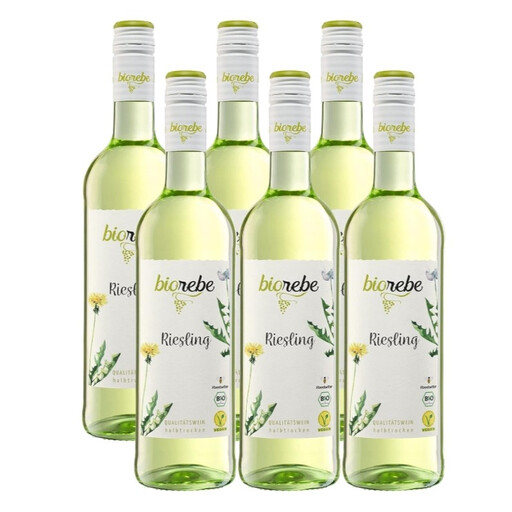
Why this product suits this profile: The product details describe it as organic and vegan, and identify it as a medium-dry Rheinhessen Riesling in a six-bottle pack.
Its organic and vegan credentials are clearly stated in the product description, rather than hinted at through general sustainability claims.
6 x 0.75 l, 11.5 % vol., medium-dry Riesling and confirmed vegan production.
We’ve put together a complete, regularly updated list of products that meet these strict selection criteria and fully comply with the safety regulations in force in the EU.
Start with the level of sweetness you prefer. A medium-dry Riesling or Müller-Thurgau can be an approachable choice. Then check the alcohol content, serving temperature and suggested food pairings. If you’re unsure, a 0.75-litre bottle is easier to manage than a larger format.
It depends on the type of wine, the closure and how it’s stored. Reseal the bottle, keep it somewhere cool and follow the producer’s advice. For bag-in-box products, check the instructions on the packaging. The flavour and freshness may change after opening.
A six-bottle pack is most worthwhile if you drink wine regularly, are entertaining or plan to stock up. Compare the price per litre and consider whether you’ll use the wine within the recommended period. If you only drink wine occasionally, a single bottle or smaller pack may be more practical.