
Lieferung heute & morgen

Qualitätsgarantie

Willkommens-Angebote freischalten: KOSTENLOSE Lieferung | Bis zu 80 % RABATT | Kostenlose 30-Tage-JoyPlus-Testphase
App herunterladen
Anyone looking to buy high-protein foods online will find plenty of choice: whey protein, protein powder, protein shakes, protein bars, meat, prawns, tofu and other high-protein snacks. However, product information can vary considerably. A high protein value alone says little about whether an item suits your diet plan, storage space or budget.
As a Joybuy Product Recommendation Officer, I therefore filter out the most important information and common marketing pitfalls. This makes it easier to compare products objectively before adding a multipack or a delicate frozen product to your basket.
For example, a bar may contain “20 g protein” per bar, while a powder may state “76 g protein” per 100 g. These two figures cannot be compared directly. The key points are:
In protein bars, the protein content may come from milk protein, whey protein, soya protein or collagen. These ingredients are not automatically equivalent. The ingredients list provides a more accurate basis for comparison than a prominent marketing claim.
Products with no added sugar may contain sweeteners such as maltitol, sorbitol or sucralose. Several products in the selection specifically state that excessive consumption may have a laxative effect due to sugar alcohols. That is why low-sugar snacks should be consumed in portions and according to the instructions on the packaging.
A protein bar that is low in sugar may still contain comparatively high levels of fat, energy or carbohydrates. For a fair comparison, it is advisable to check the nutrition table rather than just the front of the packaging.
Meat and seafood require different planning from protein powder or long-life bars. Frozen products generally need to be stored at −18 °C or below. Once thawed, they must not be refrozen according to the relevant product information. For fresh or chilled products, pay attention to the temperature range and use-by date.
With prawns, it is also important to distinguish between total weight and drained weight. The Asian Choice Black Tiger Shrimp, for example, are listed as 1 kg total weight and 700 g net weight. For cost planning, the amount you can actually use is what counts.
There are various sources available for a high-protein diet:
Allergens must be clearly labelled in Germany and the EU. The products featured include warnings for milk, soya, wheat, peanuts, nuts and crustaceans. If you have any intolerances, check the full ingredients and allergen list on the product page and the packaging.
A defined serving of protein powder may be useful for a post-workout shake. For a meal, however, the energy content, fat, carbohydrates and planned side dishes are also relevant. According to the product information, the Qualiko Boneless Chicken Thighs with Skin 2.5kg provides 18 g of protein per 100 g, but also contains 12.5 g of fat because of the skin. This may be appealing for juicy oven-baked or grilled dishes, but it has a different nutritional profile from lean beef.
The HVC Beef Shank Boneless 1kg is listed as containing 22.6 g of protein and 3 g of fat per 100 g. Values like these make it easier to choose products according to specific dietary goals, without attributing any medical or therapeutic effect to the product.
Large packs can reduce the price per serving, but they require sufficient storage space and a realistic consumption rate. A 2.5-kg pack of chicken is more suitable for households, families or people who regularly prepare meals in advance. A 300-g tub of protein powder or a single 25-g bag of jerky, on the other hand, is better suited to smaller requirements and occasional use.
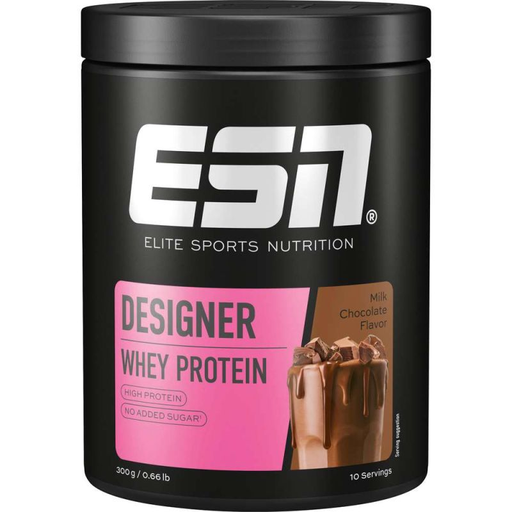
Why this product suits the profile: The 300-g protein powder can be mixed with water, milk or a plant-based drink and used in shakes, porridge or baked goods. According to the product information, it contains 76 g of protein per 100 g.
The nutritional values are provided per 100 g and for the recommended 30-g serving. This makes it easier to assess the actual protein content.
Whey concentrate and whey isolate, a 300-g pack and several preparation options.
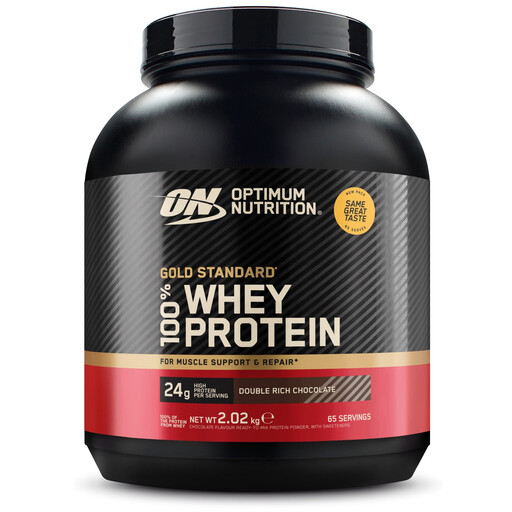
Why this product suits the profile: The 2020-g pack is designed for regular use. According to the product information, a 30-g serving provides 24 g of protein at 113 kcal.
The blend of isolate, concentrate and hydrolysed whey protein is listed in the ingredients; allergens and serving values are also provided.
Large 2020-g format, 79 g of protein per 100 g and versatile use in drinks and meals.
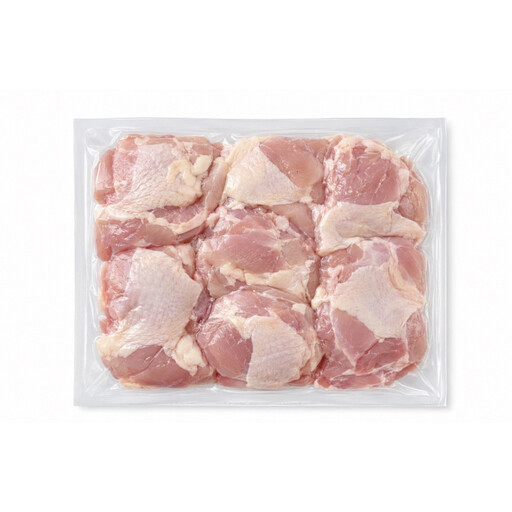
Why this product suits the profile: The 2.5-kg frozen pack is suitable for family meals, barbecues and meal prep. It provides 18 g of protein and 187 kcal per 100 g.
The pack size and storage instruction of −18 °C are clearly stated. This lets you check before buying whether your freezer and consumption plans are suitable.
Boneless chicken with skin, versatile to use and suitable for cooking larger quantities.
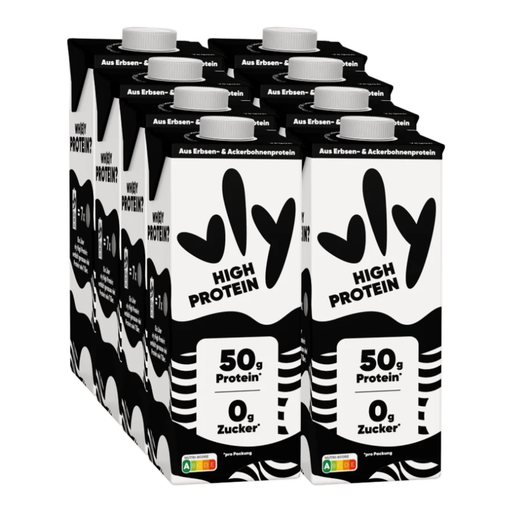
Why this product suits the profile: According to the ingredients list, this plant-based drink is made with fava bean and pea protein. It contains 5 g of protein, 0 g of sugar and 2.2 g of fibre per 100 ml.
The protein content is given per 100 ml, making it easier to compare with other drinks. Refrigeration is required after opening.
Eight 1-litre packs, a plant-based protein base and clearly stated vitamin and mineral additions.
We have put together a complete, regularly updated list of products that fully meet these strict selection criteria and the safety regulations applicable in the EU.
If you are looking for more than just powder or chicken, you can broaden your selection according to how you plan to use the products:
The right category depends on your daily routine. Protein shakes and powders can be portioned quickly, meat and prawns are suitable for complete meals, while bars and jerky require little preparation when you are out and about.
Protein bars, high-protein snacks and small portions of jerky are practical because they generally do not need to be refrigerated. Before buying, compare the protein content, sugar alcohols, allergens and salt content.
The specific best-before date is shown on the packaging. Protein powder should be stored in a dry, sealed place away from heat and direct sunlight. Bars should also be kept somewhere cool and dry. For opened products, the manufacturer’s instructions are also decisive.
Pay attention to chilled or frozen storage conditions, net quantity, origin, thawing instructions and cooking temperature. Frozen meat and seafood should be thawed completely in the fridge and then cooked thoroughly. The information on the product packaging is binding for storage and consumption.