
Lieferung heute & morgen

Qualitätsgarantie

Willkommens-Angebote freischalten: KOSTENLOSE Lieferung | Bis zu 80 % RABATT | Kostenlose 30-Tage-JoyPlus-Testphase
App herunterladen
Buying a new bicycle can be a challenge. The market offers a dizzying array of models, and marketing promises don't make the decision any easier. Many buyers quickly discover that their new bike is too heavy, uncomfortable, or unsuitable for its intended purpose. To help you make an informed decision, we'll highlight the most common pitfalls and the crucial technical features to consider.
An uninformed choice often leads to disappointment and unnecessary expense. Pay close attention to these two points to avoid a bad purchase:
Before you buy a bike, you should examine three core aspects that are decisive for riding enjoyment and durability.
The frame material directly influences a bike's weight, stability, and price.
The type of brakes is a central safety feature and should match the intended use.
The wheel size (e.g., 16-inch bike for children or 26/27.5/29 inches for adults) is only part of the equation. The crucial measurement is the frame height, measured from the centre of the bottom bracket to the top of the seat tube. To find the right frame height, measure your inseam length and multiply this value by a factor that depends on the bike type (e.g., approx. 0.66 for city and trekking bikes, approx. 0.57 for mountain bikes). Many manufacturers also provide direct recommendations based on body height.
Here are some models tailored to specific user profiles that take the above criteria into account.
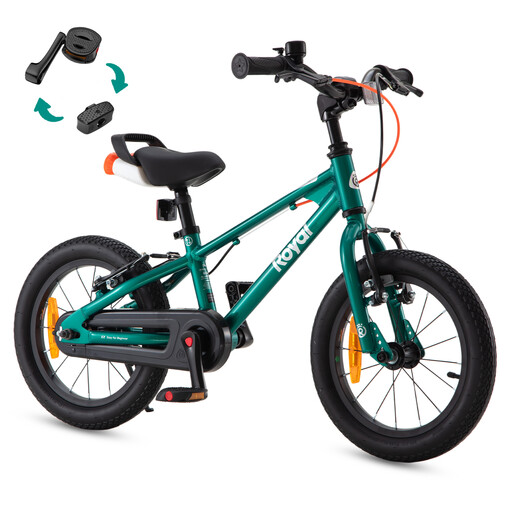
Why this model is a great fit: Ideal for children learning to ride. The lightweight aluminium frame makes it easier to balance and control, which speeds up the learning process and avoids frustration. The adjustable saddle and handlebar height allow it to grow with the child.
With a net weight of just 7.8 kg, it bypasses the trap of an overly heavy kids' bike. Children can easily handle, lift, and manoeuvre it.
The 2-in-1 design, featuring a patented quick-release crank system (according to the manufacturer), allows for a tool-free conversion from a balance bike to a pedal bike.
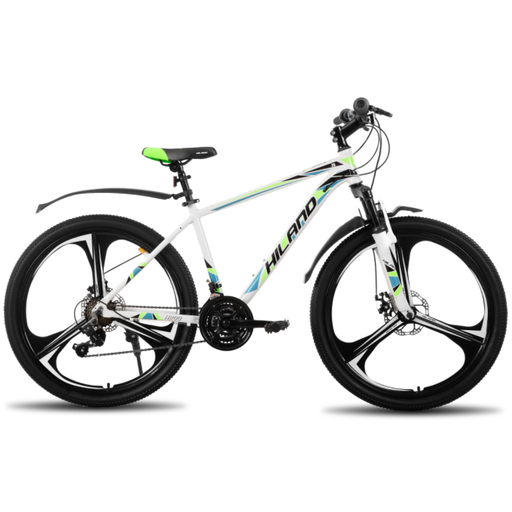
Why this model is a great fit: A solid entry-level mountain bike for men and women, suitable for daily rides and light off-road adventures. The lightweight aluminium frame and suspension fork provide a good foundation for comfort and control on varied terrain.
Instead of relying on generic size recommendations, this model is designed for a specific user group. The 26-inch wheels combined with the frame offer good agility for beginners.
The dual disc brakes ensure reliable stopping power in all weather conditions, significantly increasing safety compared to simple rim brakes. The 18-speed drivetrain offers ample gearing for both climbs and flat sections.
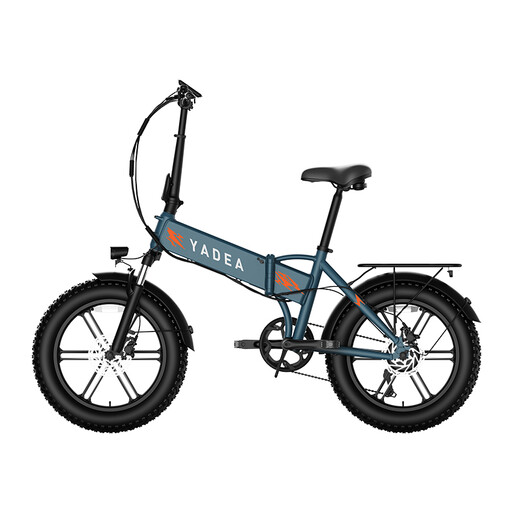
Why this model is a great fit: This folding e-bike is a practical solution for commuters who need to take their bike on public transport or store it in the office or apartment. The wide tyres offer great comfort and safety on city streets and uneven paths.
It solves the problem of inflexibility that comes with conventional bikes in an urban environment. Instead of owning a cumbersome bike, this model offers a compact, portable alternative.
The model is a fully-equipped folding e-bike with hydraulic disc brakes and a long range of 90–120 km, according to the manufacturer. It is CE-compliant according to EN 15194.
We have compiled a complete, up-to-date list of products that fully meet these strict selection criteria and German safety regulations.
Measure your child's inseam length while they stand with their back straight against a wall. The saddle height should be adjusted so that the child's knee is slightly bent when their foot is on the pedal. For their first attempts at riding, they should be able to securely touch the ground with the balls of both feet. Manufacturer age recommendations are only a starting point.
An e-bike requires the same basic maintenance as a conventional bicycle: regular checks of tyre pressure, brake pads, and chain lubrication. In addition, the battery needs care. It should be stored according to the manufacturer's instructions and charged only with the supplied charger. It is recommended to have the electrical components checked once a year by a professional mechanic.
Not necessarily. For a women's bike or men's bike that is mainly used in the city and in good weather, high-quality V-brakes are often sufficient, lighter, and lower-maintenance. However, for mountain bikes, heavy e-bikes, or for year-round use, hydraulic disc brakes offer clear safety advantages due to their superior and all-weather braking performance.