
Lieferung heute & morgen

Qualitätsgarantie

Willkommens-Angebote freischalten: KOSTENLOSE Lieferung | Bis zu 80 % RABATT | Kostenlose 30-Tage-JoyPlus-Testphase
App herunterladen
A fridge needs to suit your space, household and lifestyle. Yet many shoppers choose one based on price or appearance and overlook important details. An interior that’s too small can quickly leave you short of space, while an oversized model can take up unnecessary room and use more electricity. Even a seemingly practical mini fridge isn’t automatically suitable for storing food every day.
A slim fridge may look compact from the outside, but thick insulation, shelves or a freezer compartment can leave you with much less room inside. So, as well as checking the width, depth and height, look at the net capacity in litres. Around 45 to 90 litres may be enough for one person, while families usually need considerably more fridge and freezer space.
Noise levels should be given in dB(A). Models at around 38 to 41 dB(A) may be suitable for bedrooms, offices or open-plan kitchens, although how loud they seem also depends on the floor surface and where they’re positioned.
In the EU, energy efficiency is rated on a scale from A to G. A fridge rated E isn’t automatically unsuitable. You should also consider its stated annual energy use in kWh, its capacity and how long you plan to use it. Always compare energy use between appliances of a similar size and specification.
A 12V fridge or portable cool box is designed for use in a car, motorhome or boat. Thermoelectric appliances often cool to a set number of degrees below the ambient temperature, and may not reach a specific preset internal temperature. For perishable food or longer-term storage, a compressor model is usually the more suitable type of appliance. If you’re using one in a vehicle, also take battery consumption and ventilation into account.
Measure the space you have available, including the gap from the wall, skirting board and room needed to open the door. An under-counter fridge needs to fit beneath the worktop and have enough room to release heat. For a freestanding fridge, follow the manufacturer’s guidance on the required clearance at the sides and back.
A reversible door is useful in small kitchens, offices and studio flats. Adjustable feet help compensate for uneven floors. If the door hinge can’t be changed, check before buying that the door can open fully.
A fridge with a freezer compartment gives you extra storage, but takes up some of the fridge’s capacity. A small internal compartment with just a few litres of space is better suited to ice cubes or small amounts of frozen food. If you regularly store larger quantities, you’ll need a separate freezer compartment or a fridge freezer.
Compressor cooling is common in household appliances and, when the appliance is well designed, can provide consistent cooling. For mobile appliances such as the AAOBOSI cool box, compressor technology is specified for 12/24 V DC. Thermoelectric systems, such as those found in very small 6-litre appliances, are better suited to drinks, cosmetics or short-term use.
Look for removable glass shelves, door shelves, salad drawers and interior lighting. An adjustable shelf may be more useful than an additional advertised special programme. The door seal should also be easy to access and clean. No-frost appliances don’t need manual defrosting in the fridge and freezer compartments, as long as this feature is specified for both.
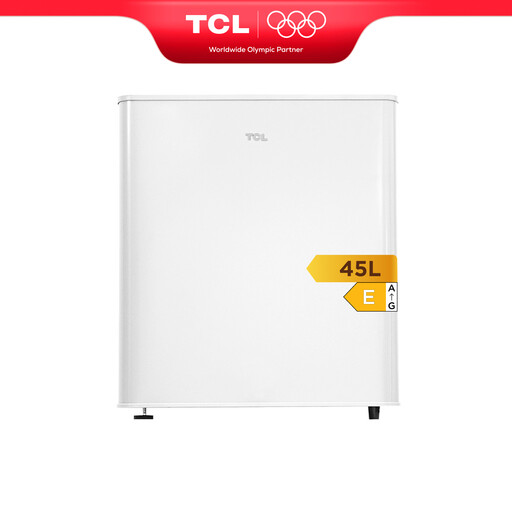
Why this product suits this profile: This compact appliance has a total capacity of 45 litres, a 3-litre freezer compartment and dimensions of 449 × 485 × 512 mm. It’s suitable for an office, bedroom, student accommodation or as an extra tabletop fridge.
The specifications give the usable capacity, temperature ranges and noise level of 40 dB(A), rather than relying on a general size description.
Mechanical thermostat, removable glass shelf, large door shelf and E energy rating.
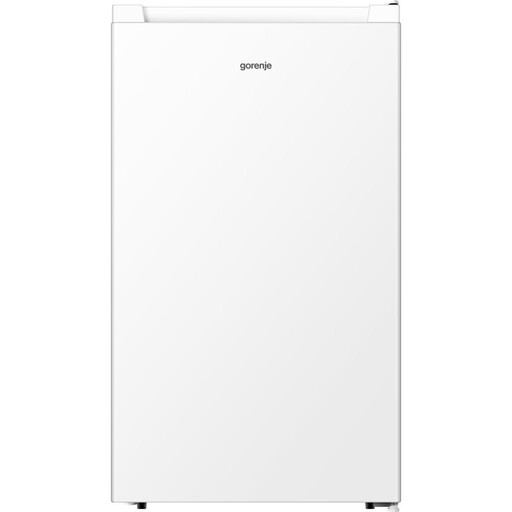
Why this product suits this profile: This 82-litre fridge combines a 75-litre fridge compartment with a 7-litre freezer compartment, LED lighting, digital temperature control and a reversible door.
The product details list the fridge and freezer capacities separately, as well as annual energy use of 125 kWh and a noise level of 38 dB(A).
Automatic defrosting in the fridge compartment, salad drawer, 4-star freezer compartment and E energy rating.
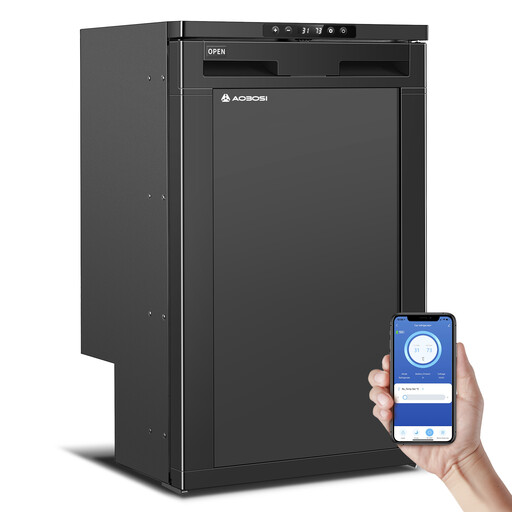
Why this product suits this profile: This portable cool box is designed for 12/24 V DC and is aimed at campers, travellers, lorry drivers and boat owners. App and control panel operation make it more flexible to use on the go.
Its compressor technology and specified DC operation clearly set it apart from a small thermoelectric drinks cooler.
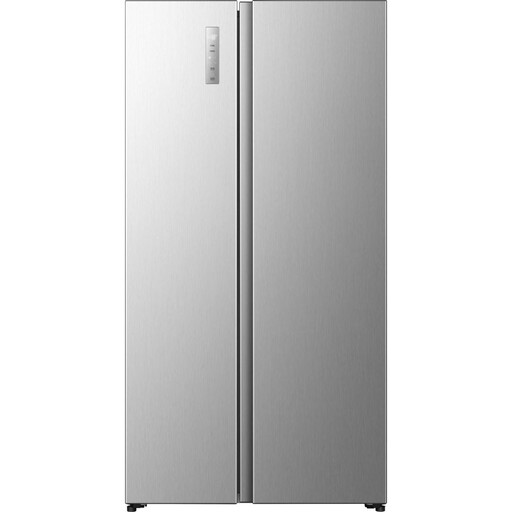
Why this product suits this profile: With a total capacity of 544 litres, including 347 litres of fridge space and 197 litres of freezer space, this appliance is designed for households that need plenty of storage.
Listing the fridge and freezer capacities separately helps you look beyond the impressive total figure.
Total No Frost, inverter compressor, Multi-Airflow, around 39 dB(A) and E energy rating, with annual energy use of approximately 318 kWh.
We’ve put together a complete, regularly updated list of products that meet these strict selection criteria and fully comply with the safety regulations in force in the EU.
A capacity of 45 to 90 litres may be enough for one person if you shop regularly and don’t need to store a large amount of frozen food. A small fridge of around 80 to 92 litres gives you more flexibility for drinks, fresh food and a salad drawer.
The cost depends on its annual energy use in kWh and your electricity tariff. Multiply the annual energy use shown on the energy label by the price per kWh. A larger E-rated appliance may use more electricity than a smaller model with the same rating.
A fridge’s lifespan depends on factors such as how it’s used, ventilation, cleaning and the load on the compressor. Look out for unusual noises, continuous running, damaged seals or inadequate cooling. If there’s a safety-related problem, unplug the appliance and contact customer services.