
Lieferung heute & morgen

Qualitätsgarantie

Willkommens-Angebote freischalten: KOSTENLOSE Lieferung | Bis zu 80 % RABATT | Kostenlose 30-Tage-JoyPlus-Testphase
App herunterladen
A juicer can make fresh juice from fruit and vegetables, but it can also quickly prove impractical for everyday use. The problem is often not the motor or appearance, but a feed chute that is too small, filter components that are difficult to access or a design that does not suit your juice requirements.
Before buying, you should therefore focus less on marketing terms and more on clear, verifiable data. Our selection shows which appliance category suits which usage profile and which specifications are genuinely relevant when choosing a juicer for fresh juice.
A powerful motor can be helpful when processing hard ingredients, but on its own it says little about juice yield, noise levels or cleaning. A centrifugal juicer usually works quickly, while a slow juicer or cold-press juicer processes ingredients more slowly. The key question is whether you need a glass of juice quickly in the morning or regularly want to prepare larger quantities for a household.
A juicer with a large feed chute can reduce preparation time. Even so, fruit and vegetables need to be washed, deseeded where necessary and cut down to size if they are particularly large or hard. Hard stones, fibrous ingredients and unsuitable foods can block the feed chute or sieve.
Quick cleaning requires removable parts, easily accessible surfaces and as few hard-to-reach sieve structures as possible. You should also check which components are dishwasher-safe according to the product description. The motor housing must never be immersed in water when cleaning electrical appliances.
A slow juicer, also known as a cold-press juicer, uses a slowly rotating auger. This design is suitable for many types of fruit and vegetables, and is particularly useful if quieter operation and separate collection of juice and pulp are important to you. Processing usually takes longer than with a centrifugal model.
A centrifugal juicer chops ingredients using a rapidly rotating sieve. Models in this category are designed for quick preparation. When processing fibrous or very soft ingredients, you should follow the relevant manufacturer’s instructions, as not every ingredient is suitable for every sieve.
An electric citrus press is designed for oranges, lemons, mandarins and similar citrus fruit. It generally operates without cutting blades and has fewer components than a juicer for fruit and vegetables. It is not the right appliance category for carrots, apples or leafy greens.
An opening of 80 to 130 mm can reduce preparation time when processing apples, oranges or larger pieces of fruit. However, actual suitability depends on the shape and firmness of the ingredients. For a single-person household, a juice container with a capacity of 300 to 800 ml may be sufficient. Families often benefit from a larger pulp container and a juice capacity of around 1 to 1.8 litres.
Look for removable components, straightforward assembly and clear cleaning instructions. A BPA-free juicer may be appealing if the product description explicitly confirms this material standard. When processing ingredients with blades or sharp sieves, always follow the operating and safety instructions.
Other practical features include a drip-stop function, a reverse function for blocked ingredients, non-slip feet and an operating-time limit. Specifications such as “80 watts”, “150 watts” or “1,000 watts” should always be considered together with the design, capacity and intended use.
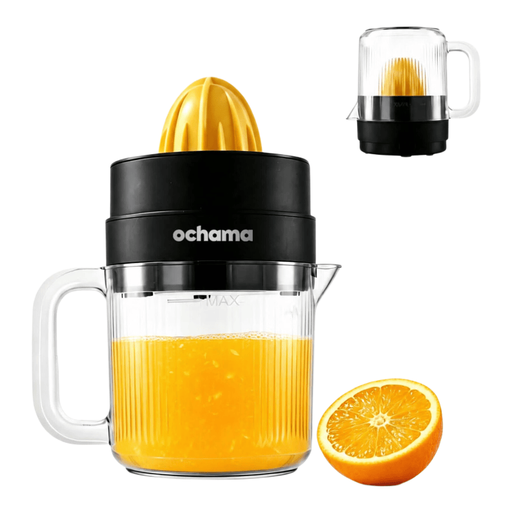
Why this product suits the profile: This electric citrus press is designed for oranges, lemons, mandarins and similar fruit. With a capacity of 1.4 litres, it is suitable for preparing several glasses for the household.
The design is clearly limited to citrus fruit. This avoids buying a universal appliance for ingredients that it is not designed to process. The housing must not be cleaned under running water.
30-watt motor, 1.4-litre capacity, removable accessories and a design without cutting blades.
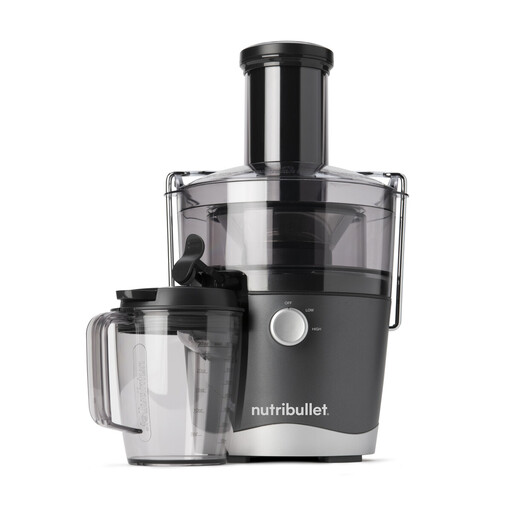
Why this product suits the profile: This cold-press juicer combines 800-watt power with two speed settings and a 1.5-litre pulp container. The 3-inch feed chute supports fast preparation.
The capacities and speed settings are clearly specified. According to the product description, removable parts, including the pulp container, can be cleaned in the dishwasher.
1.5-litre pulp container, 800-ml juice glass with lid and two speed settings.
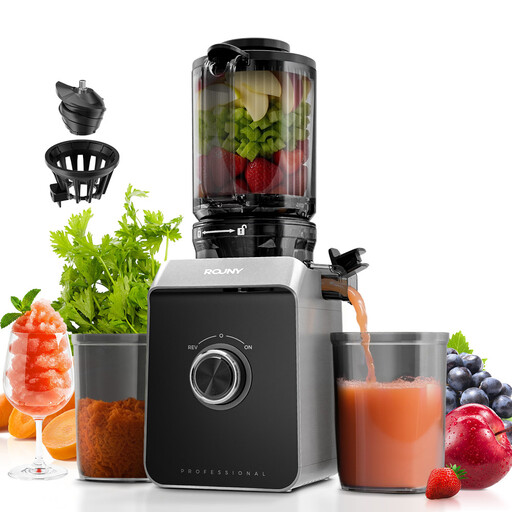
Why this product suits the profile: This slow juicer has a 130-mm feed chute, a capacity of 1.8 litres and a reverse function. According to the product description, it is also designed to process frozen fruit for an ice-like consistency.
The filter-free design is intended to make rinsing easier. The reverse function helps when ingredients become stuck. Hard stones, ice cubes and unsuitable ingredients are still excluded.
1.8-litre capacity, 130-mm feed chute, 50 revolutions per minute and BPA-free materials.
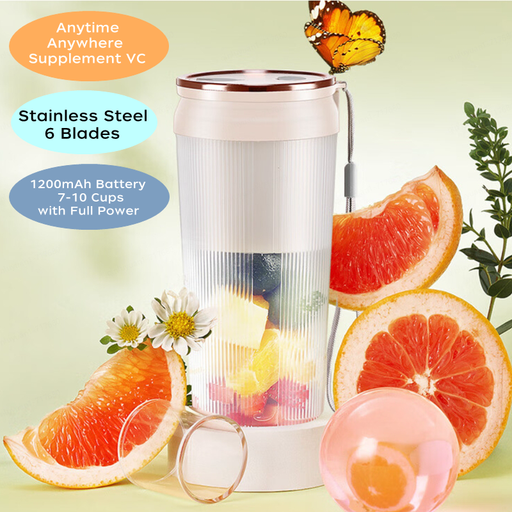
Why this product suits the profile: This portable juicer is designed for small portions made with soft, juicy ingredients. The 300-ml cup and integrated 1,200-mAh battery are well suited to single servings on the go.
The limited capacity makes its intended use clear. Ingredients must be cut into pieces of around 1 to 1.5 cm and liquid must be added up to the mark.
Cordless operation, 300-ml container and washable cup for a single serving.
We have put together a complete, regularly updated list of products that fully meet these strict selection criteria and the safety regulations applicable in the EU.
In addition to the purchase price, power consumption, cleaning requirements and replacement parts affect ongoing costs. An appliance with a high power rating does not automatically use a great deal of electricity over time, as the actual operating duration is what matters. For short daily uses, a more powerful centrifugal juicer may still be economical, while a slow juicer often runs for longer per portion.
Rinse the sieve, auger or press cone as soon as possible after use. Fruit pulp dries quickly and makes cleaning more difficult. For every model, observe the maximum operating time, use the pusher rather than your hands and unplug the appliance before taking it apart.
For versatile processing, a slow juicer, cold-press juicer or centrifugal juicer may be suitable. Check the permitted ingredients, feed chute size and pulp capacity. An electric citrus press, on the other hand, is mainly intended for citrus fruit.
Lifespan depends on how often the appliance is used, cleaning, correct assembly and whether suitable ingredients are processed. Overloading, hard stones or operating the appliance continuously for too long can put greater strain on the motor and sieve. The information in the relevant instruction manual is decisive.
That depends on your personal routine. If you regularly make fresh juice, the right capacity, easy-to-clean components and a suitable feed chute are particularly important. A portable juicer may be sufficient for individual small portions, while families will usually need a larger appliance.