
Lieferung heute & morgen

Qualitätsgarantie

Willkommens-Angebote freischalten: KOSTENLOSE Lieferung | Bis zu 80 % RABATT | Kostenlose 30-Tage-JoyPlus-Testphase
App herunterladen
Buying a new rug might seem like a simple task at first glance. However, the selection is vast, and product descriptions often prioritise marketing buzz over factual information. The result: many buyers invest in a rug that loses its shape after a few months, proves difficult to clean, or even poses a safety risk. Before you make a decision, it's crucial to understand the most common pitfalls.
The 3 Most Common Rug-Buying Traps:
To avoid a costly mistake, you should focus on objective, technical features rather than marketing promises. The following three aspects are essential for making an informed decision.
The material determines over 90% of a rug's properties. Each material has specific advantages and disadvantages that qualify it for particular applications.
A rug's construction is just as important as its material.
Based on these objective criteria, we have identified some products that represent a well-thought-out solution for specific requirement profiles.
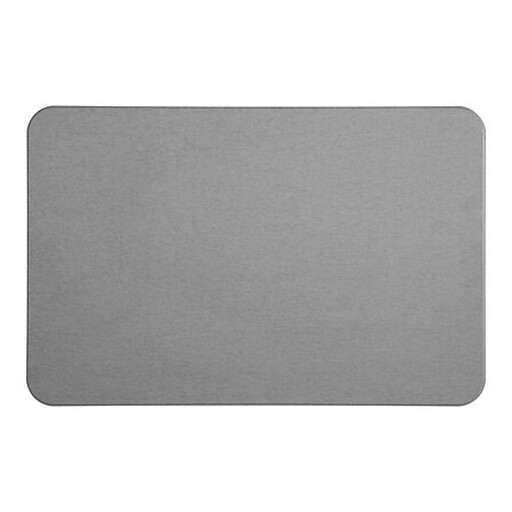
Why This Fits Their Persona: Ideal for users seeking a permanently dry, clean, and minimalist solution for the bathroom, who want to avoid conventional, often unhygienic fabric mats.
This bath mat completely bypasses the "easy-care" trap. Instead of being washed, the diatomaceous earth material air-dries on its own, preventing the build-up of moisture and bacteria.
High absorbency and quick drying due to the natural porosity of diatomaceous earth. The solid material, weighing 2.086 kg, ensures stability.
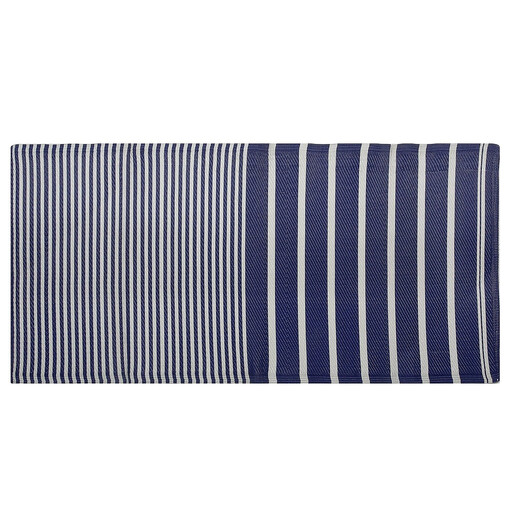
Why This Fits Their Persona: Perfect for anyone looking to make their outdoor space more inviting without worrying about weather damage. Suitable for balconies, patios, or garden seating areas.
This rug solves the "wrong material in the wrong place" trap. It is made of 100% polypropylene, which is specifically designed for outdoor use and won't rot or fade like an indoor rug.
Weather-resistant and dimensionally stable thanks to its jacquard-woven polypropylene. The material is low-maintenance and retains its colour even in direct sunlight.
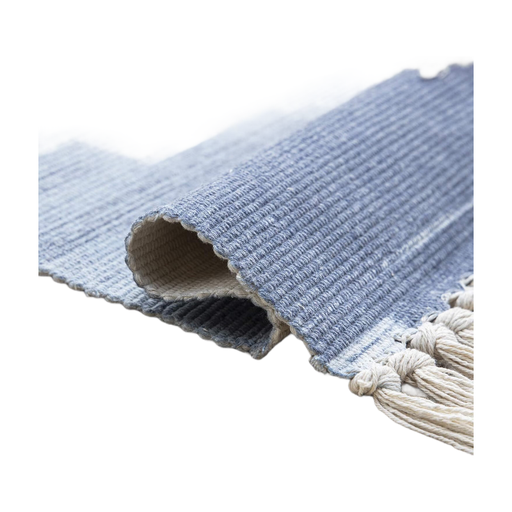
Why This Fits Their Persona: For decorators who love the decorative Boho style but don't want to sacrifice practical care. Ideal as a modern runner for the hallway, kitchen, or beside the bed.
This rug is explicitly designed for machine washing (in a laundry bag). It solves the trap of the "deceptively easy-care" rug, as it can actually be cleaned easily and thoroughly.
Combination of style and function: Hand-woven tassels and a tufted 3D texture in the Boho style meet the practical feature of machine washability.
We have compiled a complete, real-time list of products that fully satisfy these strict selection criteria and UK safety regulations.
The correct care depends heavily on the material. Regular vacuuming (once or twice a week) is fundamental for all rug types. For stains, acting quickly is crucial: blot the liquid with a clean, dry cloth instead of rubbing. For a deep clean, always follow the manufacturer's instructions. A washable rug made of cotton can often go in the machine, while an outdoor rug made of polypropylene can simply be hosed down with a garden hose.
Not always, but it is often recommended. Many rugs, especially lighter flatweaves or runners, do not have an integrated non-slip backing. On smooth floors like parquet, laminate, or tile, an underlay is essential for preventing accidents. It not only prevents slipping but also protects both the rug and the flooring underneath and can improve impact sound insulation.
An outdoor rug is made from synthetic, weather-resistant materials like polypropylene. These fibres absorb very little moisture, are resistant to mould and UV radiation, which means the colours do not fade quickly. A regular living room rug, often made of natural fibres like wool or cotton, would quickly start to rot, lose its shape, and fade when wet.