
Lieferung heute & morgen

Qualitätsgarantie

Willkommens-Angebote freischalten: KOSTENLOSE Lieferung | Bis zu 80 % RABATT | Kostenlose 30-Tage-JoyPlus-Testphase
App herunterladen
A rug can transform the look and feel of a room, but choosing one is about more than appearance. Material, size, pile height, care requirements and the type of flooring all matter. If you choose based only on colour or a low price, you could easily overlook important details.
Here are three common buying mistakes to watch out for:
The material affects how a rug feels, looks and how easy it is to care for. A wool rug or another natural-fibre rug is a good choice for living spaces where natural materials are important. Wool can offer a textured finish and a comfortable feel underfoot. If you have sensitivities, check for any potential reactions to the material or fibres.
A jute rug has a distinctive natural-fibre look and suits modern, Scandinavian or rustic interiors. However, jute isn’t automatically suitable for damp areas. For kitchens, bathrooms or busy entranceways, check the manufacturer’s specific guidance on cleaning and moisture resistance.
A high-pile rug, also known as a shaggy rug, has longer fibres and a soft, voluminous finish. This can feel lovely in a bedroom or living room, but it’s harder to vacuum and may get in the way of doors or furniture. A short-pile rug or flat runner is often more practical in hallways.
Measure the available space in several places before ordering. Take skirting boards, radiators, doors and furniture clearances into account. Popular sizes such as a 200 x 140 cm rug can work well in medium-sized seating areas or under a dining table, with enough space around the chair legs.
A round rug can help define a seating area, play corner or small side table. Rectangular rugs, on the other hand, can bring structure to long rooms and often fit better under sofas or beds.
In a bedroom, the rug should either extend far enough under the bed or sit alongside it as a smaller runner. If you’re looking for a bedroom rug, you’ll find more sizes and styles in the bedroom rug category.
Check that the rug is suitable for your type of flooring. On laminate, parquet or tiles, an anti-slip underlay can help keep it in place. A model specifically described as a non-slip rug may reduce the need for extra accessories, but you should still check how it performs on your particular floor.
If you have underfloor heating, follow the manufacturer’s guidance. Material, backing and pile height are particularly important. Some models are described as suitable for rooms with underfloor heating, but this doesn’t mean they’ll work with every heating system.
It’s also worth checking the cleaning instructions. A washable rug isn’t necessarily suitable for every washing machine. Check the recommended wash temperature, drying instructions and permitted cleaning methods. Rugs that aren’t machine washable will usually need spot cleaning, airing and gentle vacuuming.
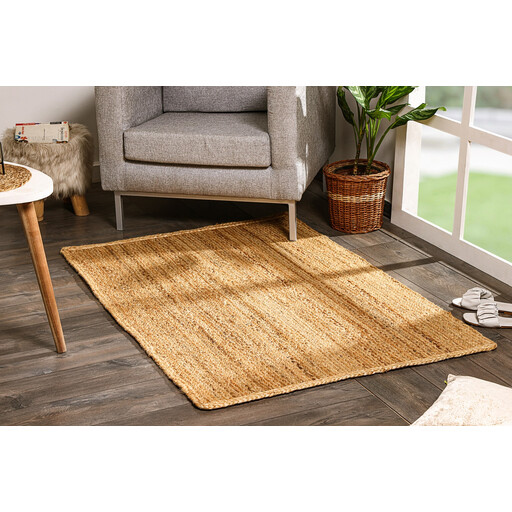
Why this product suits this profile: Measuring 170 x 120 cm, this rectangular jute rug is a versatile size for smaller seating areas, entranceways or a cosy corner.
The material and dimensions are clearly stated: 100% jute, 170 x 120 cm and approximately 1 cm high. This makes it easier to assess whether it’s right for you before buying.
Natural fibre, a robust texture and a subtle natural shade.
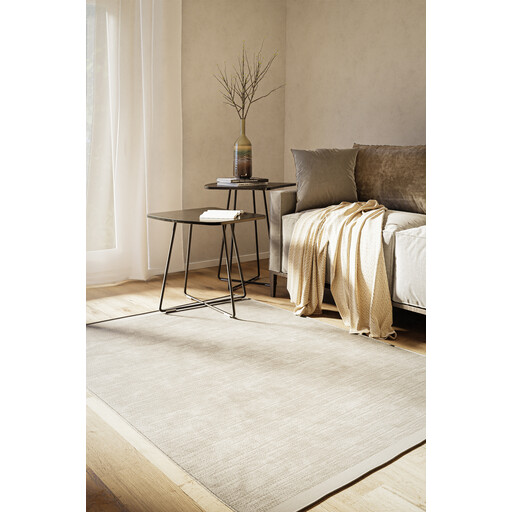
Why this product suits this profile: This hand-woven wool rug is a good choice if you prefer natural fibres and a textured look for your living room or bedroom.
The fibre composition is specified as 100% new wool, so there’s no ambiguity about it being merely ‘wool-like’.
Hand-woven construction, a natural colour and a 1 cm pile height.
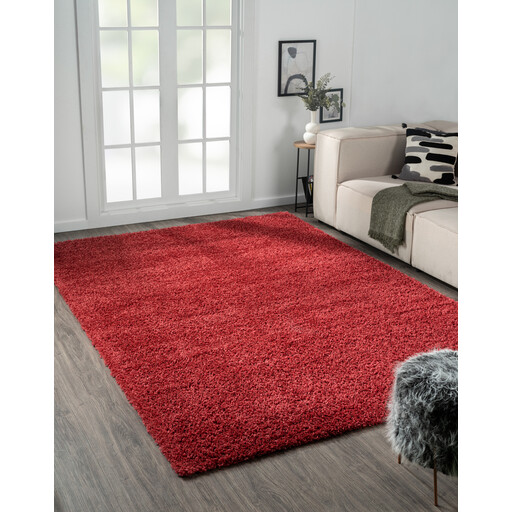
Why this product suits this profile: Its generous size is ideal for spacious living areas, while the 4 cm pile creates a noticeably plush surface.
The 290 x 200 cm dimensions and polypropylene material are clearly stated, so you can assess the space it needs and what it’s made from. Check door and furniture clearances before buying.
A generous surface area, a 4 cm pile and, according to the product description, suitability for underfloor heating.
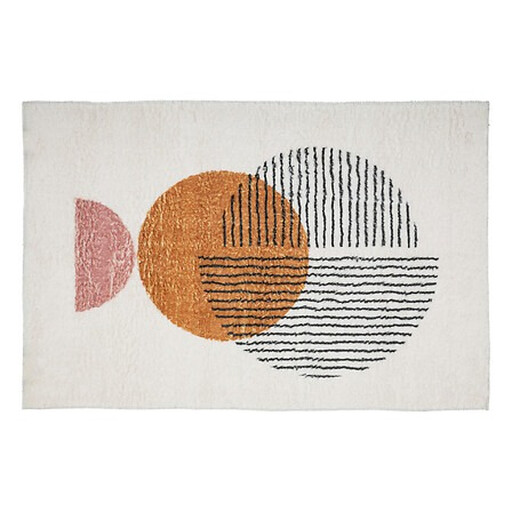
Why this product suits this profile: This compact rug makes a soft, cosy addition beside the bed, in a child’s bedroom or as a decorative accent.
The care instructions are clear: spot-clean with a mild detergent. Machine washing and tumble drying aren’t recommended.
Polyester faux fur, a felt backing and convenient dimensions of 90 x 60 cm.
We’ve put together a complete, regularly updated list of products that meet these strict selection criteria and the safety requirements in force across the EU.
It depends on the size of the room and the layout you want. In a seating area, the rug shouldn’t be so small that only the coffee table fits on it. Measure the floor space and leave some extra room around the furniture. A 200 x 140 cm rug could suit a compact seating area, while larger living rooms will often need more coverage.
A rug’s lifespan depends on its material, construction, pile height, how heavily it’s used and how well it’s cared for. A hallway rug will get more wear than a bedroom rug. Regular vacuuming using a method suited to the material, avoiding prolonged exposure to direct sunlight and using a suitable underlay can all help. Without details of how it will be used, it isn’t possible to give a reliable estimate of its lifespan.
A high-pile rug can feel comfortable in a living room or bedroom. However, if you have children or pets, consider how easy it is to clean, the pile height and any potential trip hazards. A low-pile or specifically easy-care rug may be more practical in areas that get dirty frequently. Always check the manufacturer’s specific guidance and consider the conditions in the room.