
Lieferung heute & morgen

Qualitätsgarantie

Willkommens-Angebote freischalten: KOSTENLOSE Lieferung | Bis zu 80 % RABATT | Kostenlose 30-Tage-JoyPlus-Testphase
App herunterladen
Choosing a new tent can quickly become overwhelming. Whether it's for a family holiday, the next festival, or a garden party, the market is flooded with options that overpromise and underdeliver. The wrong purchase not only leads to frustration but can also ruin an entire trip. As your Joybuy Product Recommendation Officer, I'm here to help you spot the common pitfalls and make an informed decision.
Many purchasing decisions are based on marketing promises that often don't hold up in practice. Pay close attention to these three points to avoid a poor investment.
To sidestep the traps mentioned above, focus on objective, measurable criteria. These three parameters are crucial for selecting a durable and functional tent.
The hydrostatic head, measured in millimetres (mm), indicates how much water pressure the fabric can withstand before moisture penetrates.
Also, ensure that the seams are sealed (taped). Without sealed seams, even the best material can let water in at the joints.
The shape of the tent significantly determines the usable interior space, wind stability, and its intended use.
Pro-Tip: As a rule of thumb, always subtract one person from the manufacturer's capacity rating to ensure realistic space for gear and comfort. Compare the floor dimensions (length x width) with your requirements.
The outer tent is usually made of polyester or polyamide (nylon). Polyester is more UV-resistant and stretches less when wet. The poles are typically made of fibreglass (more affordable, heavier) or aluminium (lighter, more stable, more durable). For frequent use or trips to windy regions, aluminium poles are a worthwhile investment.
Here are a few models that are well-suited for specific use cases based on their specifications.
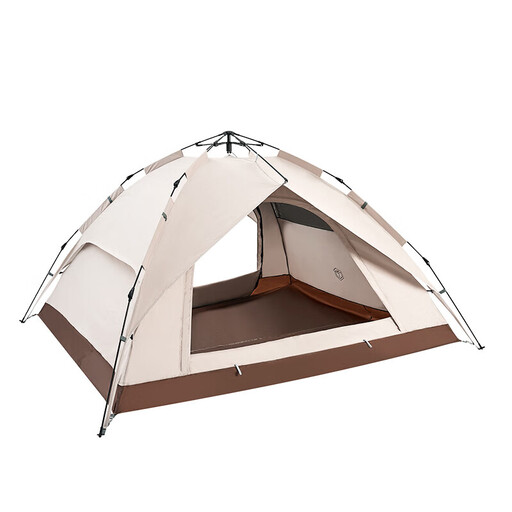
Why This Fits Their Persona: Ideal for users who prioritise an extremely fast setup and takedown. Perfect for weekend trips, festivals, or as a hassle-free secondary tent where you don't want to waste time on a complicated assembly.
The automatic pop-up mechanism eliminates the complicated setup trap. The specified hydrostatic head of 3,000 mm provides reliable protection, sidestepping the trap of inadequate waterproofing.
The dual-layer construction reduces condensation build-up inside and improves insulation—a clear advantage over single-wall pop-up tents.
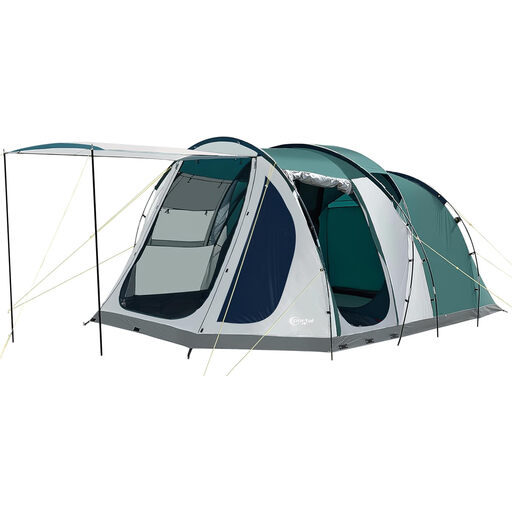
Why This Fits Their Persona: This tunnel tent is designed for families or small groups who value comfort and separate living areas on longer camping trips. The 200 cm standing height and separate living space make it a pleasant retreat, even on rainy days.
It avoids the unrealistic capacity trap by providing a clearly separated living area (5.8 m?) in addition to the sleeping cabin (7.05 m?). The 3,000 mm hydrostatic head and fully sewn-in groundsheet offer dependable weather protection.
The generous, separate living area provides ample space for luggage, a table, and chairs. The excellent ventilation system with multiple entrances and windows reduces condensation.
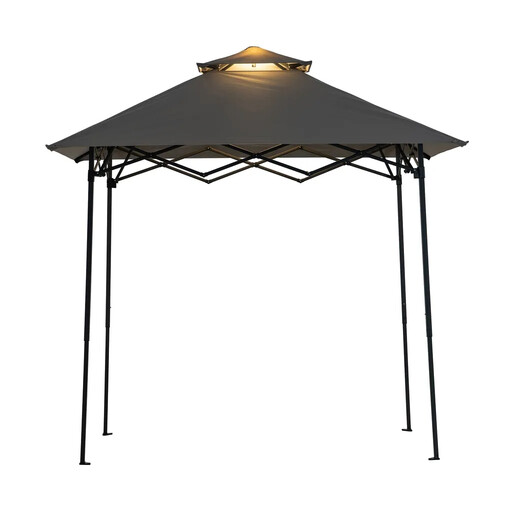
Why This Fits Their Persona: This BBQ gazebo is the perfect solution for anyone who loves to grill outdoors but doesn't want to be at the mercy of the weather. It's specifically designed for use over a barbecue and offers thoughtful features for social evenings in the garden or on the patio.
This product solves a specific problem rather than trying to be an all-in-one solution. It avoids the pitfalls of sleeping tents by focusing on its core function: creating a stable, weather-protected, and well-ventilated space for grilling.
The double-tiered roof ensures excellent smoke and heat ventilation. A standout feature is the tool-free assembly system and the integrated, remote-controlled LED lighting for use after sunset.
We have compiled a complete, up-to-date list of products that fully meet these strict selection criteria and European safety standards.
The hydrostatic head is a crucial indicator of weather resistance. For camping in the UK and neighbouring countries, a rating of at least 2,000 mm, or even better, 3,000 mm, is recommended for the outer tent. This ensures the tent stays dry even during persistent rain. However, sealed seams are just as important, as they prevent weak spots from developing.
The stated person count is a maximum capacity that often has little to do with comfort. As a rule of thumb, for a comfortable stay with luggage, you should subtract one person from the manufacturer's rating. A 4-person tent is therefore ideal for 3 adults or a family with two small children. Always check the exact dimensions of the sleeping cabin.
Proper care is essential for longevity. The most important principle is: Never store your tent while it is damp. Let it air dry completely after every use to prevent mould, mildew, and material damage. Clean it only with a damp cloth and plain water or a mild soap solution. Harsh cleaning agents can damage the waterproof coating.