
Lieferung heute & morgen

Qualitätsgarantie

Willkommens-Angebote freischalten: KOSTENLOSE Lieferung | Bis zu 80 % RABATT | Kostenlose 30-Tage-JoyPlus-Testphase
App herunterladen
With so many options available, the search for the right almonds can quickly become overwhelming. Whether as a nutritious snack, an ingredient for delicate baked goods, or the foundation of a plant-based diet, the almond is incredibly versatile. However, not every product delivers on its promise. Before you make a decision, it's helpful to know a few common pitfalls to ensure you choose an option that truly meets your needs.
A frequent issue is the "health trap." Products marketed as a healthy almond snack can contain hidden sugars, undesirable oils, or a long list of additives. A second problem is the "form factor fallacy": buying whole almonds with their skin on when a recipe for fine pastries actually calls for blanched almonds or almond flour will lead to unsatisfactory results in the kitchen.
This guide will help you navigate these hurdles and understand the criteria that are truly relevant to your purchasing decision.
To make the right choice, you should consider two central aspects: the processing form and the ingredient list. These largely determine the taste, texture, and intended use of the almond product.
The way almonds are processed defines their application. Choosing the wrong form can compromise a recipe or diminish your enjoyment.
A short and understandable ingredient list is often a sign of a high-quality product. Pay special attention to the following points:
Based on these criteria, we have curated a selection of almond products for different user profiles.
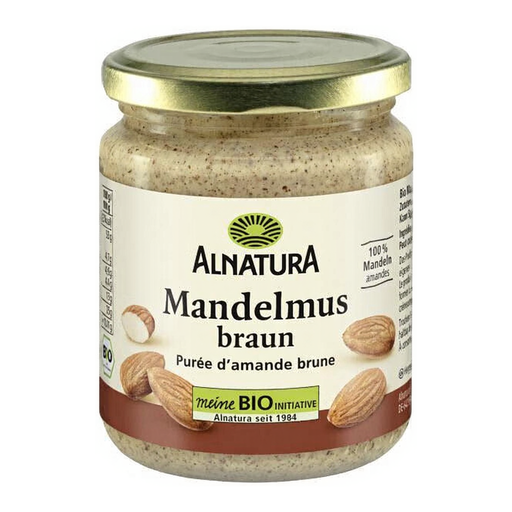
Why This Fits Their Persona: Ideal for users seeking a pure, unadulterated product for their daily diet. It's versatile, from enriching sauces to serving as a nutritious spread.
This almond butter consistently avoids the "health trap." The ingredient list contains only roasted organic almonds, with no added sugar, salt, or stabilisers.
Intensely aromatic flavour from roasting unpeeled almonds; a high source of plant-based fibre and protein.
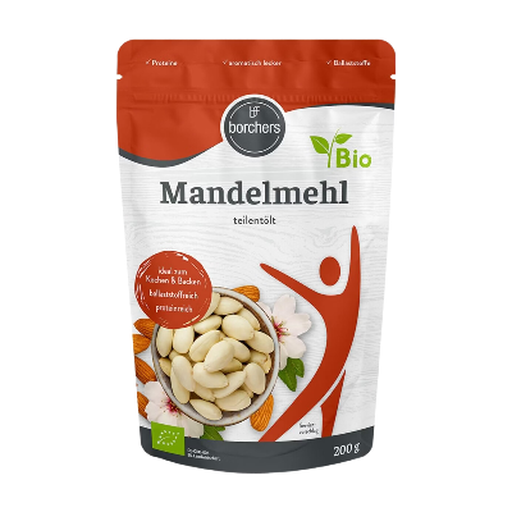
Why This Fits Their Persona: Perfect for bakers looking for a high-quality, low-carb alternative to conventional flour. It's suitable for a wide range of recipes, from cakes to bread.
This product solves the "form factor fallacy." Instead of having to grind almonds yourself, it provides a consistent, fine texture that is crucial for baking results.
Partially de-oiled for better baking properties; high in protein and fibre; suitable for vegetarian, vegan, ketogenic, and Paleo diets.
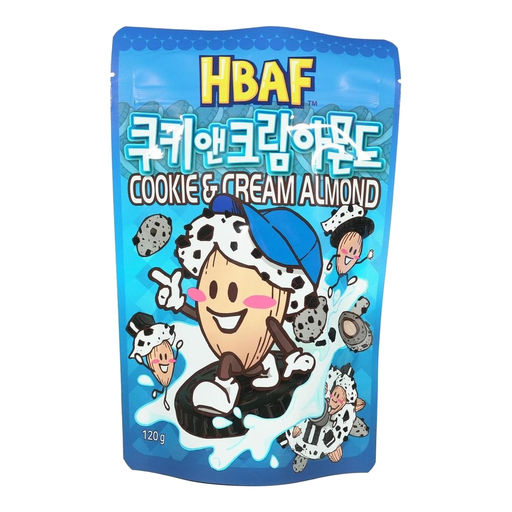
Why This Fits Their Persona: For anyone seeking an exceptional moment of indulgence. This Korean snack combines crunchy almonds with a sweet cream and cookie pieces—an alternative to classic chocolate-covered almonds.
This product is clearly positioned as an indulgence, not a pure health food. The description is transparent about its sweet and creamy components.
A unique flavour combination that isn't common in Germany; a well-balanced mix of crunchy, nutty, and sweet textures.
We have compiled a complete, up-to-date list of products that fully meet these strict selection criteria and German regulations.
Natural almonds still have their brown skin, which contains fibre and adds a slightly tart flavour. For blanched almonds, this skin is removed by a brief dip in hot water. The result is a lighter, milder almond with a smoother texture, which is particularly well-suited for fine pastries, marzipan, or almond milk.
Almonds have a high content of unsaturated fatty acids, which can turn rancid if stored improperly. It is best to store them in a cool, dry, and dark place. An airtight container in the refrigerator or even the freezer can significantly extend their shelf life, especially for larger quantities or ground almonds.
The roasting process can slightly reduce the content of some heat-sensitive vitamins, such as certain B vitamins. However, the main nutrients like protein, fibre, minerals, and healthy fats are largely preserved. Dry-roasted almonds (without added oil) are a great option to enjoy the intense flavour without significantly altering the nutritional balance.