
Lieferung heute & morgen

Qualitätsgarantie

Willkommens-Angebote freischalten: KOSTENLOSE Lieferung | Bis zu 80 % RABATT | Kostenlose 30-Tage-JoyPlus-Testphase
App herunterladen
The selection of aperitifs can be overwhelming. Whether for a relaxing evening after work, a garden party, or as a prelude to a special meal, finding the right drink is crucial. But the market is flooded with products whose marketing promises often hide more than they reveal. As your Joybuy Product Recommendation Officer, I'm here to help you avoid common pitfalls and make an informed choice.
Many shoppers reach for an aperitif that looks promising on the label, only to be disappointed. Here are three common problems to avoid:
To ensure you make the right choice, it helps to check a few key parameters. These criteria will help you objectively evaluate the quality and character of an aperitif before you order liqueur online.
Aperitifs can be roughly divided into three categories. Your personal preference is the most important guide here.
Italian spirits like Campari or Aperol fall into this category. They are characterised by a complex bitterness designed to stimulate the appetite. They form the base for world-famous cocktails like the Negroni or the Aperol Spritz.summer drinks.The alcohol content is a crucial factor that influences not only the strength but also the mouthfeel and flavour intensity.
Digestif) like Ramazzotti Amaro have a higher alcohol content that carries their bold flavours.The base—whether wine, grain spirit, or fruit distillate—is fundamental in shaping the drink's core character.
To make your decision easier, we've matched a few products to different requirement profiles.
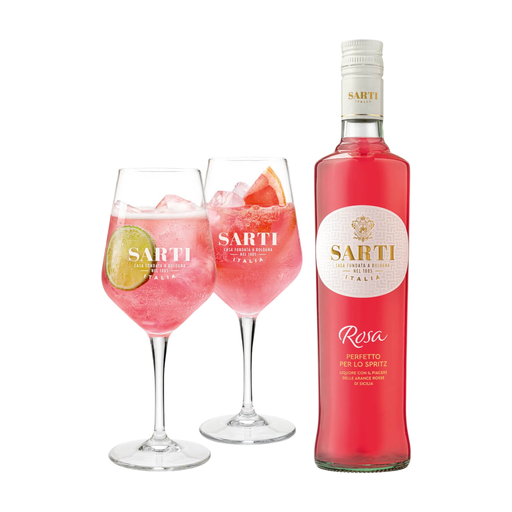
Why it's a great fit: Ideal for anyone who loves the spritz trend but is looking for a fruitier, milder alternative to established bitter aperitifs. Perfect for social gatherings on the balcony or in the garden.
The flavour profile is clearly defined with notes of blood orange, passion fruit, and mango. This way, you know exactly what to expect, avoiding the trap of vague descriptions.
Its fruity-sweet character, with only 14% ABV, makes it an approachable option for those who find classic aperitifs too bitter. Versatile as a spritz or mixed with bitter lemon.
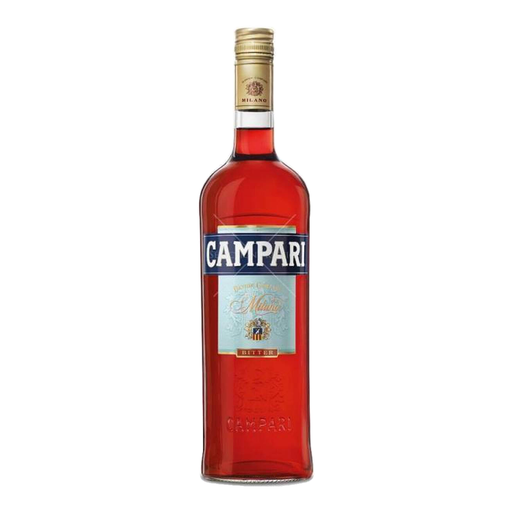
Why it's a great fit: For purists who appreciate a complex, bittersweet flavour experience. Campari is not a fleeting trend but an icon of bar culture and the foundation for timeless cocktails.
Campari is the definition of versatility in a classic bar. It's the base for a Negroni, Americano, or Campari Soda, thus avoiding the trap of limited mixing options.
Its distinctive, herb- and citrus-based bitter profile has remained unchanged since 1860. The higher alcohol content of 25% ABV gives cocktails structure and depth.
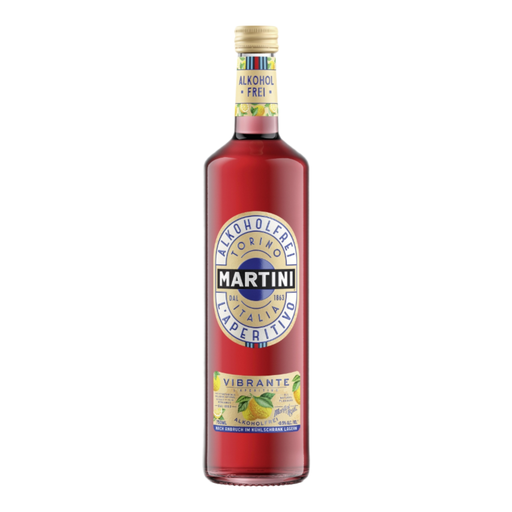
Why it's a great fit: For hosts who want to offer a sophisticated option to all their guests, and for connoisseurs who consciously avoid alcohol without compromising on flavour.
This product isn't an overly sweet juice but a complexly composed aperitif. It avoids the sugar trap by focusing on a balanced, mature flavour profile.
Made from a base of de-alcoholised wine and natural flavourings, it offers a multi-layered citrus aroma with less than 0.5% ABV. Ideal for a Martini Vibrante & Tonic.
We have compiled a complete, up-to-date list of products that meet these strict selection criteria and quality standards.
The shelf life after opening depends heavily on the type of aperitif. Wine-based products like Lillet or vermouth should be stored in the refrigerator and ideally consumed within four weeks to avoid any loss of flavour. Spirit-based bitter aperitifs like Campari and Aperol have a much longer shelf life due to their higher alcohol content and can stay fresh for several months if stored in a cool, dark place. Cream liqueurs have the shortest shelf life and should be refrigerated and consumed quickly. Always check the instructions on the label.
An Aperitif is traditionally served before a meal to stimulate the appetite. It is often light, dry, or bitter. Examples include a Lillet Wild Berry or a classic Negroni. A Digestif is served after a meal and is intended to aid digestion. These are often stronger, more complex, and can be sweeter or significantly more herbal, such as a Ramazzotti Amaro or a Limoncello.
For those who prefer a gentle introduction, fruity, wine-based aperitifs are an excellent choice. Products like Lillet Rosé or the aforementioned Sarti Rosa offer a pleasant sweetness and a much lower level of bitterness than classic Italian spirits. A mixed drink like the popular Lillet Wild Berry is also very approachable and makes an outstanding summer drink for almost any palate.