
Lieferung heute & morgen

Qualitätsgarantie

Willkommens-Angebote freischalten: KOSTENLOSE Lieferung | Bis zu 80 % RABATT | Kostenlose 30-Tage-JoyPlus-Testphase
App herunterladen
The variety of Asian noodles can be overwhelming. From thick, chewy strands to fine, translucent threads, each type has its own unique texture, flavour, and ideal use. Making the right choice is key to creating an authentic dish. This guide is designed to help you find the perfect noodles for your culinary project by explaining the differences and providing clear shopping advice.
As your Joybuy Product Recommendation Officer, I have gathered the information you need to make an informed and practical decision.
To find the right noodle for your recipe, consider three simple criteria: intended use, ingredients, and preparation time.
Not every noodle is suitable for every dish. Texture and the ability to absorb sauces are crucial.
The ingredients list reveals the noodle's base and its nutritional profile.
The time you have available also plays a role in your choice.
Based on the criteria above, we've curated a selection of noodles that stand out for their specific qualities and applications.
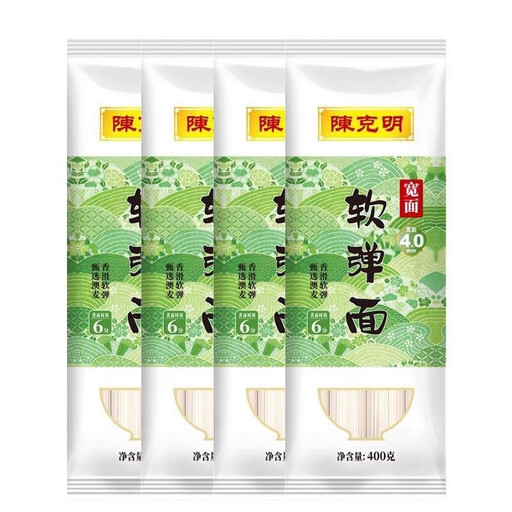
Why It Stands Out These noodles are distinguished by their broad shape and a soft yet chewy texture. The simple ingredients—wheat flour, water, starch, and salt—form the basis of a versatile product that integrates well into a variety of dishes.
Pros
Who It's For Home cooks looking for authentic Chinese noodles for a wide range of dishes. Their texture makes them an excellent base for hearty sauces and broths.
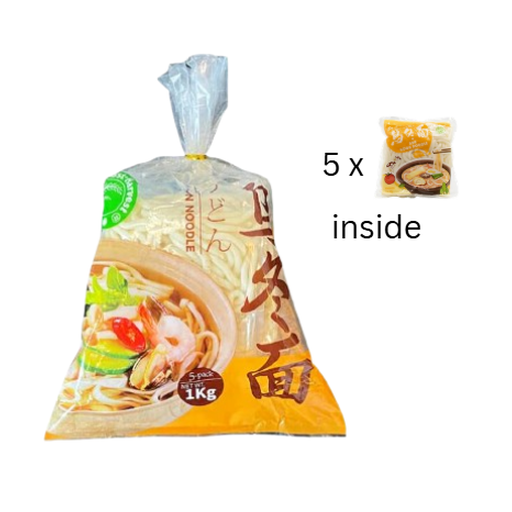
Why It Stands Out These pre-cooked noodles offer ultimate convenience. The thick, smooth, Japanese-style wheat noodles are individually vacuum-packed and ready to serve in minutes. Their characteristic "mochi-mochi" texture is soft and delightfully chewy.
Pros
Who It's For Ideal for anyone short on time who wants to prepare a quick yet satisfying meal. Their ease of use makes them a great choice for fast lunches or dinners.
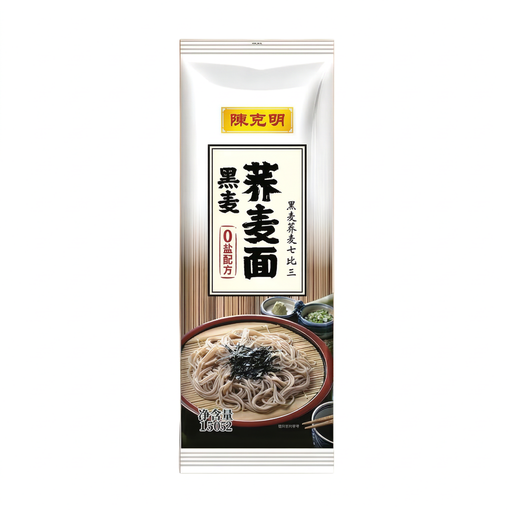
Why It Stands Out These noodles combine 70% rye flour with 30% buckwheat flour. This blend results in a product with a high fibre content, a firm texture, and a distinct, nutty flavour.
Pros
Who It's For For health-conscious consumers looking for a high-fibre alternative to plain wheat noodles. These healthy noodles are well-suited for clear broths or as a side dish where their unique flavour can shine.
If the options featured here aren't quite what you're looking for, or if you simply want to explore the full diversity of Asian noodle cuisine, you can find a wider selection in our category. Each variety offers a unique culinary experience.
Browse our entire range of Rice and Noodles and find the perfect noodles for your next cooking project.
Udon noodles are the thickest of the Japanese noodles and are made from wheat flour. They have a soft and chewy texture. In contrast, ramen noodles are much thinner and often yellowish because they are treated with alkaline water (kansui), which gives them a firmer, springy consistency. Soba noodles, on the other hand, are made from buckwheat flour, are thin, and have an earthy, nutty flavour.
For stir-fries, the ideal noodles are those that hold their shape and firm texture at high heat. Broad noodles made from wheat or special egg noodles are a great choice, as they are less likely to stick together. Pre-cooked udon noodles also work very well, as they only need to be tossed briefly in the pan to absorb the sauce and heat through.
Buckwheat noodles, also known as soba, can be a nutritious addition to your diet. Buckwheat is a source of dietary fibre and protein. Products with a high percentage of buckwheat often offer a more complex nutritional profile compared to noodles made from refined white wheat flour. Be sure to check the ingredients list, as some soba noodles also contain a significant amount of wheat flour.