
Lieferung heute & morgen

Qualitätsgarantie

Willkommens-Angebote freischalten: KOSTENLOSE Lieferung | Bis zu 80 % RABATT | Kostenlose 30-Tage-JoyPlus-Testphase
App herunterladen
As a Joybuy Product Recommendation Officer, I see every day how vast the selection of Asian spirits has become. But with variety comes uncertainty. Many buyers in the UK and Europe invest in a bottle only to find it's unsuitable for their intended purpose. This guide will help you avoid the most common pitfalls and make an informed decision, whether you want to cook authentically, plan a social gathering, or expand your collection.
Before we dive into the details, let's look at the three most common missteps that lead to disappointment and unnecessary expense.
To avoid these mistakes, you should check three core parameters. These will help you find the product that precisely matches your needs.
This is the most fundamental distinction.
This point is crucial, especially for Korean soju.
For premium spirits like Baijiu or plum wine, the origin and production process provide insight into the quality.
Based on these criteria, we have selected a few products that are particularly well-suited for specific user profiles.
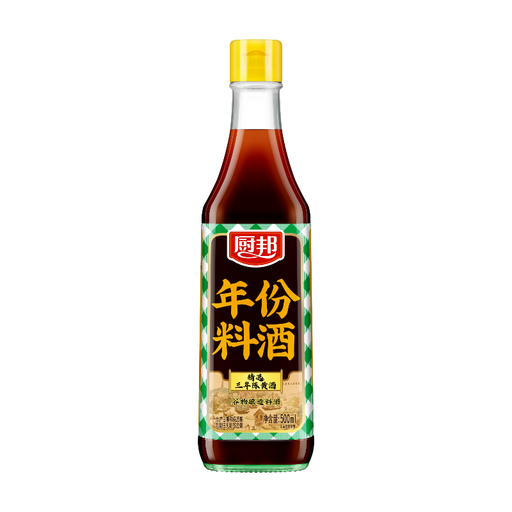
Why This Fits Their Persona: Ideal for home cooks who want to achieve the authentic flavour of Chinese dishes like braised pork belly (Hong Shao Rou) or steamed fish. An essential staple for any serious Asian kitchen.
This product is clearly labelled as a cooking wine, preventing any confusion with a drinking wine. The high rice wine content of 87% is a clear quality indicator compared to diluted alternatives.
Contains natural spice and tangerine peel extracts for subtle aromatic depth. Effective at eliminating unwanted odours in meat and seafood.
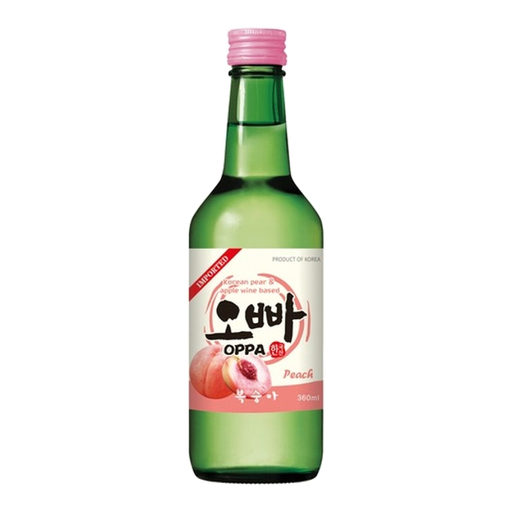
Why This Fits Their Persona: Perfect for anyone wanting to try the soju made famous by K-dramas. The mild, sweet peach flavour and moderate alcohol content make it ideal for parties, mixing cocktails, or enjoying alongside Korean BBQ.
This is a clearly defined, flavoured soju. It meets the expectation of a modern, approachable drink, avoiding confusion with stronger, traditional sojus that have a very different taste.
The 12% ABV is moderate and approachable. The base of Korean pear and apple wine provides a smooth, well-rounded flavour profile. The bulk case offers excellent value for social events.
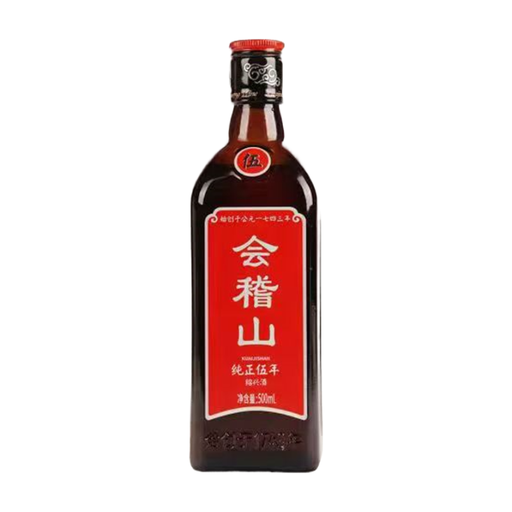
Why This Fits Their Persona: For connoisseurs looking to experience an authentic, aged Chinese rice wine. Ideal as an accompaniment to rich dishes like crab or as an aperitif, served gently warmed to release its complex aromas.
This is a genuine Huangjiu (yellow wine) for sipping, not a salted cooking wine. The clear 5-year age statement is a transparent hallmark of quality that distinguishes it from simple, unaged products.
Made with water from Jianhu Lake, glutinous rice, and wheat using traditional methods. The result is a rich aroma and a smooth, refreshing taste, classified as 'Superior Grade' according to Chinese national standards.
We've compiled a complete, up-to-date list of products that fully meet these strict selection criteria.
The main difference lies in their purpose and composition. Chinese cooking wine (Liaojiu) is a culinary seasoning, which typically contains salt and is not meant for drinking. Shaoxing wine is a high-quality, often aged rice wine (a type of Huangjiu) from the Shaoxing region, which is enjoyed neat as a beverage. While you can use high-quality Shaoxing wine for cooking, it is often more costly and not always necessary.
Soju is traditionally drunk neat and well-chilled from small shot glasses. It's customary to pour for others but not to fill your own glass. Flavoured soju varieties can also be enjoyed "on the rocks" or used as a base for cocktails, mixed with soda water, tonic, or juice.
With cooking wines (Liaojiu) that contain salt, the risk is lower, but the flavour can change and lose its aroma over time. For drinking wines like Shaoxing wine, improper storage after opening can cause the wine to oxidise and develop a sour or unpleasant taste. It is generally recommended to store opened bottles in the refrigerator and consume them promptly. Always check the smell and taste before using.