
Lieferung heute & morgen

Qualitätsgarantie

Willkommens-Angebote freischalten: KOSTENLOSE Lieferung | Bis zu 80 % RABATT | Kostenlose 30-Tage-JoyPlus-Testphase
App herunterladen
Choosing the right baby formula can be a challenge for expectant and new parents. The shelves are filled with products, all promising optimal nutrition. But behind the marketing messages, there are often subtle yet crucial differences. This guide will help you separate fact from advertising and make an informed decision when buying baby formula.
As your Joybuy Product Recommendation Officer, I have compiled the most important criteria to help you avoid common purchasing pitfalls and find the right formula for your child.
Before you make a decision, it's important to be aware of two common misconceptions that can lead to the wrong purchase:
To make the right choice, you should focus on two objective parameters instead of marketing promises.
The numbering on baby formula powder isn't a marketing gimmick; it's an essential guide that reflects your child's changing nutritional needs.
The composition of the proteins and the added dietary fibres are also relevant distinguishing features.
Here are some recommendations tailored to different needs and life stages.
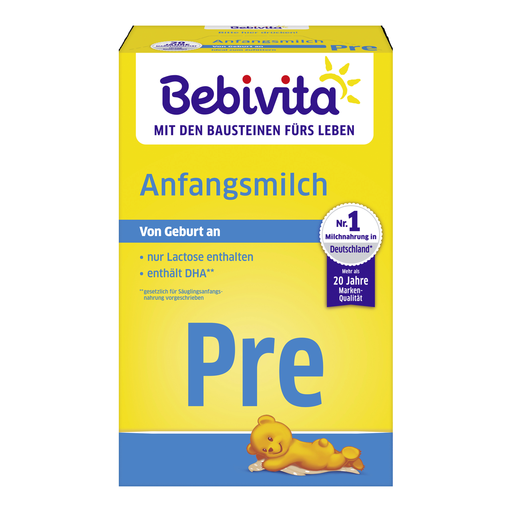
Why This Fits Their Persona: Ideal for parents looking for a first infant formula as the sole source of bottle-feeding or to supplement breastfeeding. It can be fed according to the baby's needs, just like breast milk.
This product is a Pre-formula and contains only lactose as a carbohydrate. This avoids confusion about starch additives and is the most similar to breast milk.
Contains DHA (legally required for first infant formula) and is suitable for feeding on demand. It provides solid, fundamental nutrition without unnecessary extras.
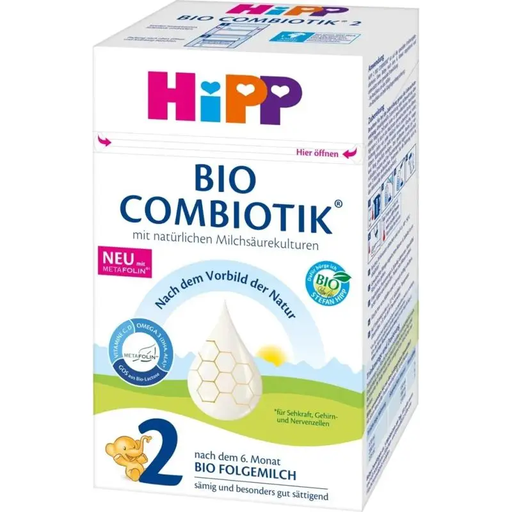
Why This Fits Their Persona: Suitable for parents who want to introduce a follow-on milk as part of a mixed diet after 6 months and who value organic quality.
This is a clear Stage 2 follow-on milk, not intended as a breast milk substitute in the first six months. It contains age-appropriately selected organic starch for good satiety.
Contains omega-3 fatty acids (DHA and ALA) and vitamins C and D to support the immune system. The organic certification (DE-?KO-001) provides additional peace of mind.
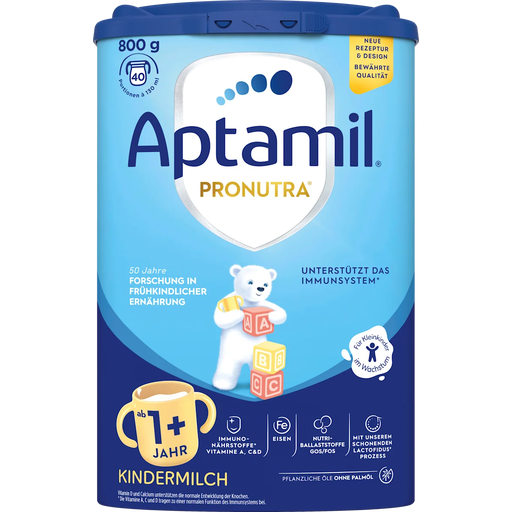
Why This Fits Their Persona: Developed for toddlers from one year onwards as part of a balanced diet. It can be drunk warm or cold from a cup and supports the transition from the bottle.
This is a specific toddler milk, not an infant formula. It addresses the nutritional needs of toddlers with an age-appropriately adjusted protein content and essential vitamins.
Contains vitamins A, C, and D to support the immune system, as well as calcium. The recipe is palm oil-free, using vegetable oils instead.
We have compiled a complete, up-to-date list of products that fully meet these strict selection criteria and German safety regulations.
Once opened, the package should be stored in a cool, dry place with the lid tightly closed. Most manufacturers, including Aptamil and Hipp, recommend using the contents within three to four weeks. Always check the specific instructions on the packaging to ensure freshness and nutritional quality.
Switching between brands is generally possible. Every infant formula sold in Germany is subject to strict legal regulations that ensure adequate nutritional supply. However, since recipes can differ in detail (e.g., in the fats or dietary fibres used), some babies may react sensitively to a sudden change. A gradual transition, where you mix the new and old formula over a few days, can ease the adjustment. It is advisable to discuss this with your midwife or paediatrician if you are unsure.
Yes, for the preparation of baby formula powder, drinking water should always be freshly boiled and then cooled to the temperature recommended by the manufacturer (usually around 40°C). This is an important hygiene measure to protect the infant's not-yet-fully-developed immune system from potential germs in the water. Never heat prepared milk in the microwave, as this can lead to uneven heating and a risk of scalding.