
Lieferung heute & morgen

Qualitätsgarantie

Willkommens-Angebote freischalten: KOSTENLOSE Lieferung | Bis zu 80 % RABATT | Kostenlose 30-Tage-JoyPlus-Testphase
App herunterladen
The right baking tin doesn’t just affect how your bake looks. Material, rim height, coating and care all influence how evenly a cake bakes, whether bread releases easily, and how long the tin will last. If you’re looking to buy baking tins online, you shouldn’t rely solely on product images or marketing claims.
The external dimensions of a cake tin don’t always tell you about the actual baking surface or capacity. A high rim can reduce the usable area, while a shallow tin may be unsuitable for sponge cakes. Always check length, width, height and capacity.
Your own oven also matters: a baking tray measuring 40 × 35 cm may be too wide for smaller appliances. Before buying, compare the internal dimensions of your oven and the position of the shelf runners.
A non-stick baking tin can make releasing your bakes easier. However, the coating will only stay intact if you follow the manufacturer’s guidelines. Metal knives, abrasive sponges and harsh cleaning agents can damage the surface.
Another difference: some tins are dishwasher-safe, while others must be washed by hand only. Don’t overlook this detail if easy cleaning is an important factor in your purchase.
A pure silicone baking mould is easy to bend. Without a sturdy rim, it can warp when you carry it to the oven or spill runny batter. For large quantities of batter, a baking tray or a firm baking sheet is recommended. With a silicone mould, also check the stated temperature range.
Steel and carbon steel are shape-stable and conduct heat relatively evenly. A thicker material gauge can increase stability, but usually makes the tin heavier. Aluminium is lightweight and heats up quickly. Silicone is flexible and often designed for oven, freezer or dishwasher use – but always check the specific manufacturer’s instructions.
For a bread tin, you should also consider acid resistance, temperature limit and capacity. Sourdough can react with unsuitable surfaces. A model with an enamelled base may offer structural advantages for this purpose, provided this is explicitly stated.
Check before you buy:
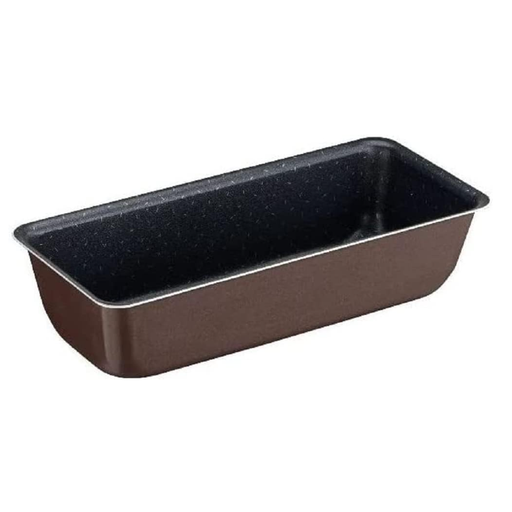
Why this product fits the profile: The rectangular tin is suitable for cakes, brownies and savoury oven dishes. Recycled aluminium keeps the weight low and makes it easier to handle.
The stated size of 28 cm and the rectangular shape provide clear comparison points. The care instructions mention dishwasher suitability, hand washing and avoiding metal utensils.
28 cm format, non-stick coating and aluminium construction; according to product details, dishwasher-safe.
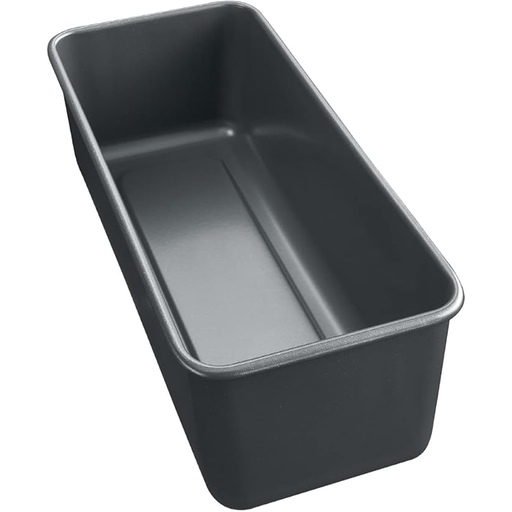
Why this product fits the profile: The steel loaf tin with KAIRAMIC coating and enamelled base is designed for bread and cakes. Dimensions are 30 × 11 × 8 cm, with a capacity of 2.4 l.
The manufacturer’s details state heat resistance up to 250 °C, hand washing and avoiding metal utensils. This makes temperature and care limits transparent.
Extra-thick steel, enamelled base, 2.4 l capacity and, according to product details, a ten-year guarantee on the non-stick coating.
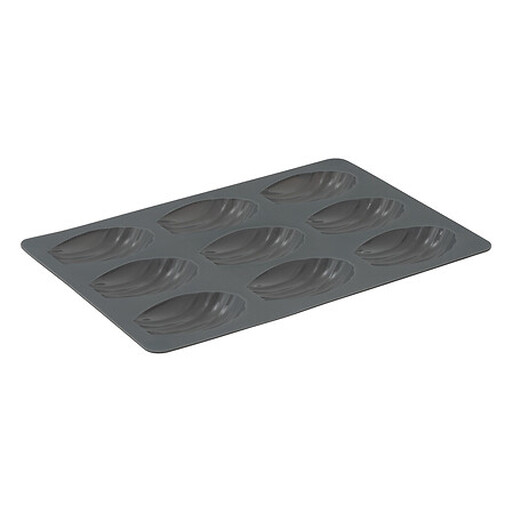
Why this product fits the profile: The mould with shell-shaped wells is aimed at those who want to make madeleines or small decorative sweet treats specifically.
The specific mould type, dimensions of 36 × 21.5 × 2 cm and the food-grade silicone material are all stated. This makes it easier to compare with your own oven and recipe.
Flexible silicone, 50 g product weight and, according to the product description, suitable for oven, freezer and dishwasher.
We’ve put together a full, regularly updated list of products that fully meet these strict selection criteria and the safety regulations in force in the EU.
A loaf tin with sufficient height is suitable for sponge cakes, banana bread and many compact loaves. For sourdough, the material should be explicitly stated as acid-resistant or suitable for sourdough. Capacity and temperature limit are also crucial.
Silicone moulds are flexible and can make unmoulding easier. Metal tins made from steel, aluminium or carbon steel generally offer more shape stability and are particularly good for tall batters. The right choice depends on your recipe, oven, desired stability and care effort.
Clean the tin before first use, follow the coating guidelines, and lightly grease it for delicate or sugar-rich batters. Baking paper can also help with rectangular tins. Do not use metal tools if the manufacturer advises against it.