
Lieferung heute & morgen

Qualitätsgarantie

Willkommens-Angebote freischalten: KOSTENLOSE Lieferung | Bis zu 80 % RABATT | Kostenlose 30-Tage-JoyPlus-Testphase
App herunterladen
If you’re looking to buy baking tins, you’ll find a wide choice of cake tins, springform tins, silicone bakeware and specialist tins. However, the product description alone doesn’t always tell you how practical a tin will be for everyday use. The key things to consider are the material, dimensions, temperature limits and cleaning instructions.
Home bakers, families and beginners should also check that the tin fits their oven and suits the recipes they make. A large tin can be impractical for a small household, while a small muffin tin may mean baking several batches if you’re making a larger quantity.
A non-stick coating can make it easier to remove a cake from the tin. However, it can be damaged by metal knives, steel wool and harsh abrasive cleaners. If the product description recommends hand washing, follow that advice. A claim such as ‘easy to clean’ doesn’t automatically mean the tin is dishwasher-safe.
When choosing a cake tin, diameter and length are only part of the picture. The height affects how much batter the tin can hold and whether a cake might rise over the rim. The external dimensions matter too: a tin with a wide rim or handles may not fit on every oven tray.
Not every baking tin is suitable for use on a hob, under the grill or in a microwave. A carbon steel bread tin may be designed for oven use but, according to the product information, must not be used on a gas hob, induction hob or open flame. Before buying, check the maximum temperature, permitted heat source and cooling instructions.
Carbon steel conducts heat relatively directly and is often used for cake tins, bread tins and springform tins. Avoid using sharp or metal utensils on coated models. After baking, let the tin cool completely before removing your bake.
Silicone bakeware is flexible and easy to store. A sturdy design or reinforced frame can help stop the tin tipping when you carry it to the oven. Check the temperature range for the specific model. Silicone isn’t automatically suitable for every type of hob either.
Stainless steel is often used for biscuit cutters. With these products, material thickness, sharp edges and safe storage are all important considerations. Make sure the cutters are labelled for their intended use and dry them thoroughly after washing.
Look for clear cleaning instructions. If the tin needs to be hand-washed, warm water, mild washing-up liquid and a soft sponge are usually all you need. Don’t use abrasive cleaners or rough sponges on coated tins. Whether silicone tins are dishwasher-safe depends on the product, so check that this is stated explicitly.
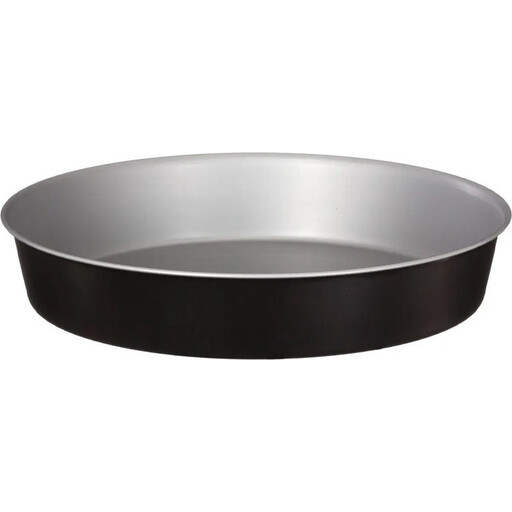
Why this product suits this type of baker: This round metal tin measures 28 cm in diameter and 5 cm in height. It’s designed for classic family cakes and is straightforward to choose.
The dimensions and material are clearly stated. The hand-washing recommendation also makes the care requirements clear.
28 cm diameter, metal construction and a stated non-stick coating for classic baking recipes.
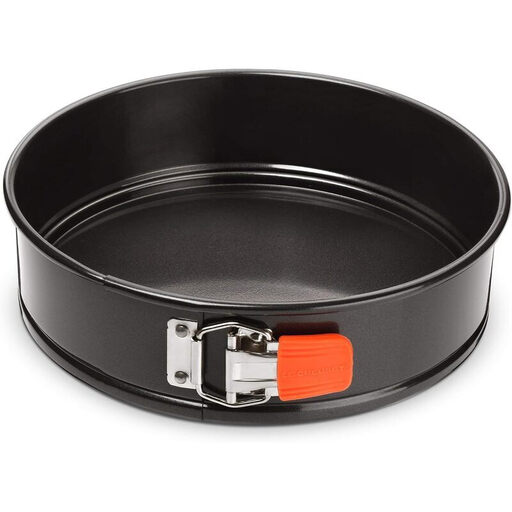
Why this product suits this type of baker: This springform tin has a side clasp and a removable base, and is stated to be oven-safe up to 240 °C.
The temperature limit and hand-washing instructions are clearly stated, making it easier to see how the tin fits into your baking routine.
20 cm diameter, carbon steel, non-stick coating and removable base.
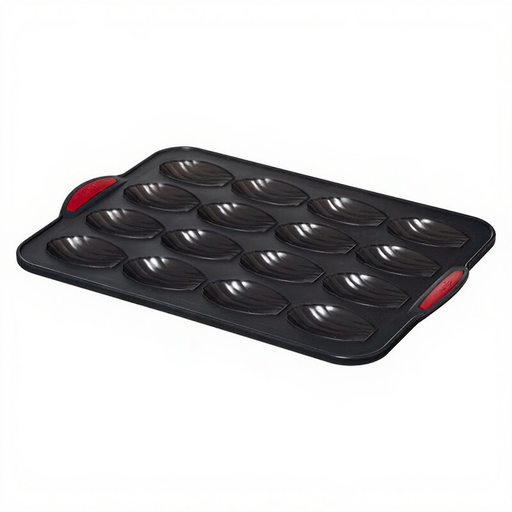
Why this product suits this type of baker: This Madeleine tin has 16 cups and a stabilising frame, making it suitable for baking several small portions at once.
The frame helps tackle a common problem with flexible tins when carrying them. The product description also confirms that it’s dishwasher-safe.
16 cups, silicone construction, stabilising frame and stated dishwasher-safe cleaning.
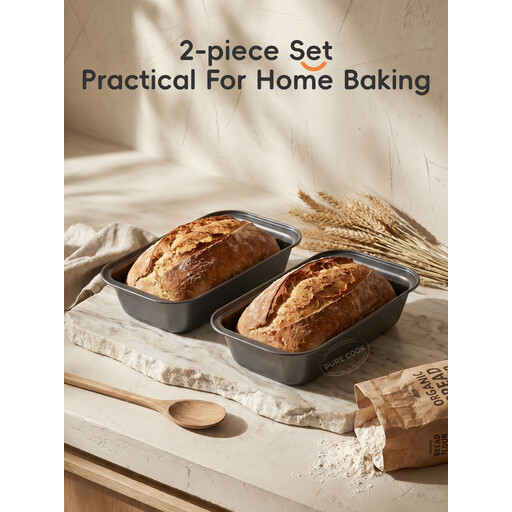
Why this product suits this type of baker: These two square bread tins have a non-stick coating and are suitable for toast, mixed-grain bread, as well as certain cake and meatloaf recipes.
The description confirms that the tins are suitable for oven use and lists the restrictions for microwaves, hobs and grills. It also specifies hand washing.
Two tins per set, carbon steel, dimensions of 13,2 × 25,5 cm and a stated coating temperature resistance of up to 220 °C.
We’ve put together a complete, regularly updated list of products that meet these strict selection criteria and the applicable EU safety regulations.
The right baking accessories can make your baking routine easier. A stainless steel muffin tin or biscuit cutters are useful for bakes in individual portions. A sushi mould or onigiri mould, on the other hand, is a kitchen tool for shaping rice dishes, not a traditional oven tin. An ice cube tray also belongs in the freezer and shouldn’t be confused with a heat-resistant baking tin.
If you’re making tarts, you could consider a tartlet tin with six cups. Stainless steel biscuit cutters are handy for making decorative biscuits, as long as the edges and cleaning instructions are suitable. Before buying, compare the product images, dimensions and intended use.
A simple cake tin with clear dimensions and straightforward hand-washing instructions is often the easiest choice when you’re starting out. A springform tin can be useful if you regularly bake cakes with a delicate base or soft filling.
Its lifespan depends on how it’s used, the temperature and how it’s cared for. Metal utensils, harsh cleaning products, deep scratches and overheating can damage the coating. Let the tin cool and use soft cleaning tools.
It depends on the recipe and how you prefer to handle your bakeware. Silicone is flexible and easy to store, while carbon steel and metal offer a more rigid structure. The key considerations are the temperature range, stability, shape and cleaning instructions.