
Lieferung heute & morgen

Qualitätsgarantie

Willkommens-Angebote freischalten: KOSTENLOSE Lieferung | Bis zu 80 % RABATT | Kostenlose 30-Tage-JoyPlus-Testphase
App herunterladen
Black tea is more than just a beverage—it's a staple of daily life in many households. Yet, when it comes to buying black tea, you're often faced with an overwhelming selection. Vague promises, unclear origins, and the choice between different formats can make shopping difficult. Before you make a decision, it's important to know the most common pitfalls to avoid disappointment.
Common Pitfalls When Buying Tea:
To make an informed choice, you should consider three key parameters. These will help you objectively assess a tea's quality.
The size and condition of the tea leaves (the leaf grade) significantly influence the strength and aroma of the brew.
The processing method is also crucial. The orthodox method (rolling the leaves) preserves complex aromas, while the CTC method (Crush, Tear, Curl) produces a very strong black tea for a quick brew, as is often used in blends for the British or East Frisian market.
The growing region fundamentally shapes the tea's character. Instead of reaching for generic blends, look for well-known varieties:
An organic black tea guarantees that no synthetic pesticides or fertilisers were used in its cultivation. This is not just a matter of personal preference but also an indicator of more meticulous farming. Always check the ingredients list. If it just says "flavouring," it is likely an artificial additive. Phrasings like "natural bergamot flavour" or "bergamot oil" indicate higher quality.
Based on these criteria, we have curated a selection of products for different needs and preferences.
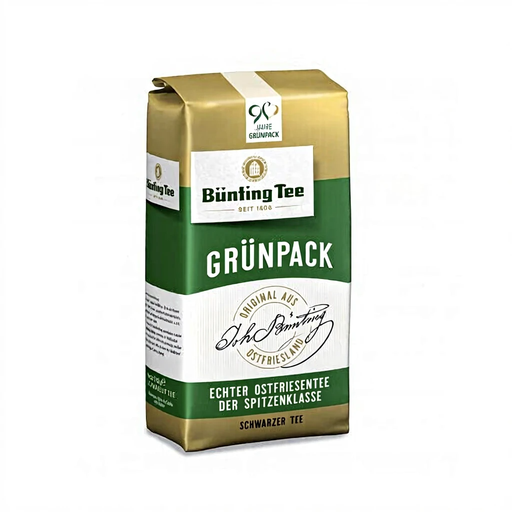
Why it's a great fit: Ideal for lovers of the East Frisian tea culture who enjoy a strong, authentic tea daily. The 500g package of loose-leaf tea offers great value and is perfect for traditional preparation in a pot.
Instead of a vague blend, you get a genuine Ostfriesentee. Its quality is based on a strong Assam mix, not artificial flavourings.
An authentic, robust black tea blend from a traditional German tea house. Ideal for the East Frisian tea ceremony.
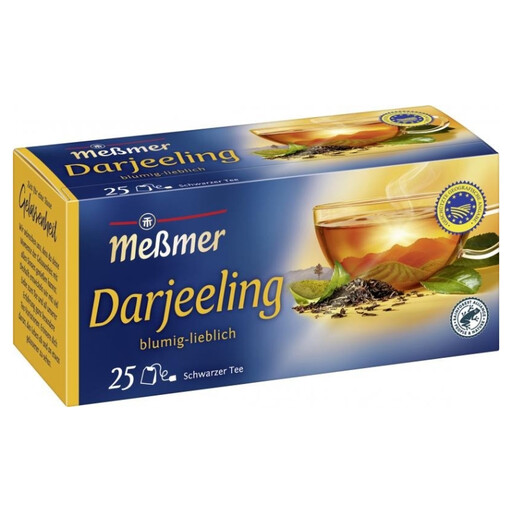
Why it's a great fit: For those who appreciate a high-quality, aromatic tea but prefer the convenience of a tea bag. Perfect for a quick cup at the office or at home without compromising on taste.
The clear designation of origin, Darjeeling, guarantees a specific, floral flavour profile, avoiding the problem of vague blends. The tea bag contains a quality tea.
A floral, slightly sweet aroma characteristic of high-altitude Darjeeling. Rainforest Alliance certified.
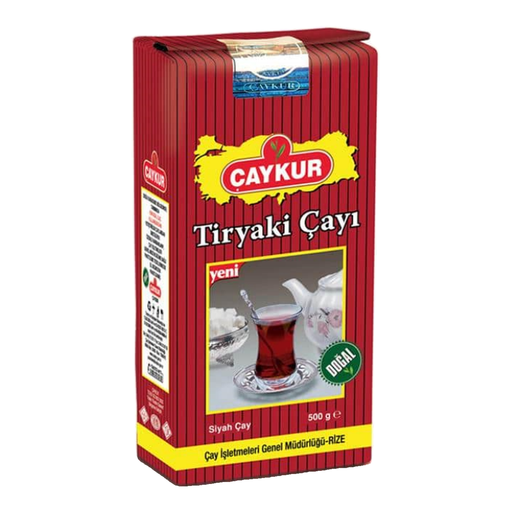
Why it's a great fit: For anyone wanting to experience the authentic taste of Turkish tea. The 500g package of loose-leaf tea is ideal for traditional preparation and offers an intense, full-bodied flavour experience.
The specific origin (Turkey, Rize region) and the well-known brand ?aykur guarantee an authentic product, not a generic "Turkish style" blend.
Authentic, full-bodied Turkish tea designed for traditional long brewing, grown without pesticides according to the manufacturer.
We have compiled a complete, up-to-date list of products that fully meet these strict selection criteria.
The steeping time depends on the desired result. A general recommendation is 3 to 5 minutes.
Ostfriesentee is not a tea variety in its own right, but a specific, very strong black tea blend. It consists mainly of Assam teas and is composed to produce a strong brew even with hard water and to harmonise well with rock sugar and cream. "Regular black tea," on the other hand, is an umbrella term for any tea from the Camellia sinensis plant whose leaves have been fully fermented (oxidised).
Not necessarily. The quality is determined by the contents, not the packaging. A high-quality tea bag can contain good-quality broken-leaf tea that is superior to a low-quality loose-leaf tea. However, loose-leaf tea often offers a wider variety of premium, whole-leaf grades. These can unfurl better in the water, which typically leads to a more complex flavour experience.