
Lieferung heute & morgen

Qualitätsgarantie

Willkommens-Angebote freischalten: KOSTENLOSE Lieferung | Bis zu 80 % RABATT | Kostenlose 30-Tage-JoyPlus-Testphase
App herunterladen
A blender can make smoothies, soups, sauces, baby food and ice. The choice ranges from a compact smoothie maker to a large jug blender for family-sized portions. It’s not just about wattage: the design, jug, controls and ease of cleaning all need to suit your day-to-day routine.
Motor power is a useful guide, but it doesn’t tell you everything about the results you can expect. The blade design, jug shape, speed settings, pulse function and recommended operating time all affect how a blender performs. A hand blender with 280 watts may be suitable for soups and soft ingredients, while a 1,000-watt jug blender may be better suited to larger quantities or frozen ingredients.
Also check whether the figure refers to rated power or peak power quoted by the supplier. These figures aren’t always directly comparable.
A feature described as an ice-crush function usually refers to short bursts. Ice and frozen ingredients put more strain on the blades and motor than soft fruit. So check the instruction manual, maximum fill level and recommended running time. A blender that can only be used in short bursts may not be practical for large quantities of frozen ingredients.
With a blender with a 1.5-litre jug, the stated capacity isn’t necessarily the maximum amount of liquid you can blend. Don’t fill the jug above its marked level. There may also be additional instructions or restrictions for hot liquids. Before buying, check whether the jug is made of glass, plastic or Tritan, and which parts are dishwasher-safe.
As well as wattage, compare the number and material of the blades. Stainless steel blades are widely used in the models listed here. A pulse function can help you process ingredients in short bursts or crush ice in intervals. Multiple speed settings make it easier to adjust the blending to suit soft and firmer ingredients.
A safety lock is particularly important on jug blenders. The appliance should only start when the jug and lid are fitted correctly. If you’re buying a kitchen blender with a removable blade, consider how safely you can handle and clean the blade unit.
A dishwasher-safe blender can make cleaning up after use easier. The jug, lid, blending foot or accessories are often dishwasher-safe, while the motor unit should only be wiped clean with a damp cloth. This applies to all types of blender.
Glass jugs are heat-resistant but heavier. Plastic and Tritan jugs are usually lighter and more practical for taking with you. Whatever the material, never touch sharp blades with your fingers. The instruction manual will tell you whether the blender can be used with hot liquids.
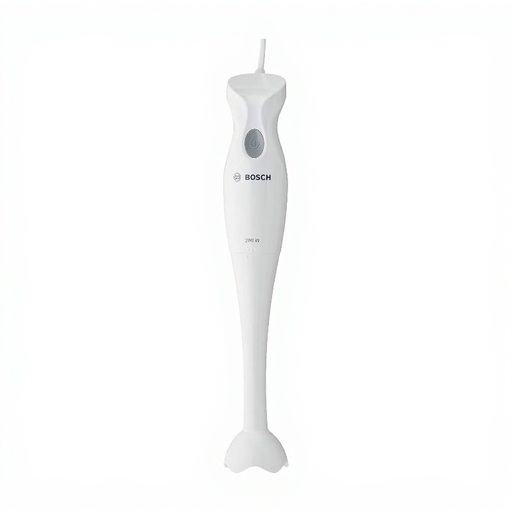
Why it suits this profile: According to the product listing, this lightweight hand blender weighs 0.6 kg and is suitable for puréeing, blending and chopping smaller quantities.
The product details list a splash guard, a turbo button and a removable blending foot. These features can help reduce splashes and make cleaning easier.
280-watt motor, two-blade stainless steel knife and dishwasher-safe blending foot, according to the product description.
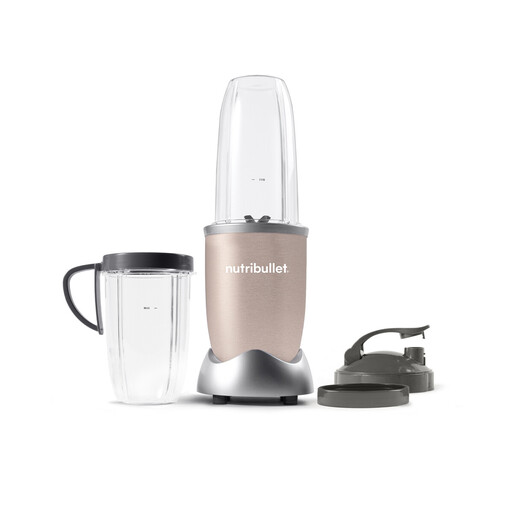
Why it suits this profile: This personal smoothie blender is designed for single servings and, according to the product details, comes with two BPA-free cups: one 925 ml and one 700 ml.
The cup sizes are clearly stated, making it easier to judge whether the blender is right for single servings or several small batches.
900 watts, six stainless steel blades, and dishwasher-safe cups, lids and blade unit, according to the product description.
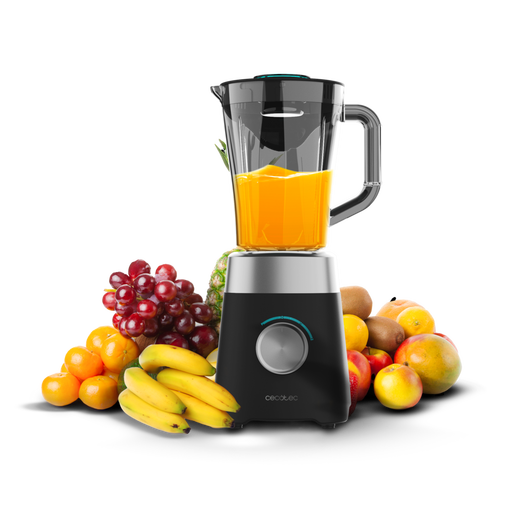
Why it suits this profile: According to the product details, this jug blender combines a 1.5-litre jug with an ice-crush function, making it suitable for larger quantities and frozen ingredients.
The jug capacity, number of blades and two speed settings are all clearly specified. This makes it easier to check whether the blender suits the portion sizes you have in mind.
1,300 watts, 1.5-litre jug, four Black Titanium blades and an ice-crush function, according to the product details.
We’ve put together a complete, regularly updated list of products that meet these strict selection criteria and fully comply with the safety regulations in force in the EU.
A hand blender or personal smoothie maker is usually a practical choice if you’re short on space. Both take up less room than a jug blender. If you choose a hand blender, look for a removable blending foot; for a single-serve blender, check whether the cups are stackable or have lids.
Its lifespan depends on how often you use it, the ingredients you blend, how you clean it and how long you run it for. Overloading the blender, blending hard ingredients without enough liquid and running it for too long can put extra strain on the motor and blades. Regular cleaning and following the manufacturer’s instructions can help you get reliable use from it.
Actual energy use depends on the motor power and how long the blender runs. At the same running time, an appliance with a higher wattage generally uses more power, but it may also finish blending sooner. So when considering the electricity it uses at home, don’t just look at the wattage: your daily usage time matters too.