
Lieferung heute & morgen

Qualitätsgarantie

Willkommens-Angebote freischalten: KOSTENLOSE Lieferung | Bis zu 80 % RABATT | Kostenlose 30-Tage-JoyPlus-Testphase
App herunterladen
Board games should suit the occasion, the size of your group and the age of the players. Yet it’s all too easy to buy games that rarely make it onto the table. Often, the problem isn’t the quality of the game, but choosing one that isn’t quite right.
1. Player numbers are only considered in broad terms
A game for “up to 8 players” can play very differently with two people than it does with a large group. Some party games need at least six or eight players, while strategy games are designed for two to four. So check the recommended minimum and maximum number of players.
2. The recommended age is mistaken for the actual level of complexity
“Age 8+” doesn’t automatically mean children will understand the rules without help. For board games, quiz games and escape-room games, reading ability, concentration and the length of the rules all play an important part. Clear turns and short explanations are often a good choice for children aged 8 and over.
3. The stated playing time is underestimated
A guide such as “30+ minutes” doesn’t tell you how long a game will take with a larger group. Strategy games and more involved family games may also need extra time for setting up, explaining the rules and scoring. Compact card games are often a better fit for an impromptu game night.
Choose a game to suit the size of your group in practice. Couples may enjoy games with a well-balanced two-player version, such as co-operative games or tactical board games. For families with children, family games for 2 to 5 players are often a flexible choice. For parties, games for 2 to 10 players or larger groups are a better fit if you want to avoid long waits between turns.
The game mechanics also shape the experience:
Check the recommended age, the language of the instructions and whether the game contains small parts. A game in German can make family games and game nights with children easier. If there are small playing pieces, cards or tokens, follow the warnings on the packaging. Many board games are unsuitable for children under 3 because they contain small parts that could be swallowed.
Card games and compact travel games need very little storage space. Large game boards or fabric playing mats, on the other hand, need a sufficiently large, flat table. Handy storage compartments help keep money, cards, playing pieces and tokens separate. Paper and cardboard components should be stored in a dry place and cleaned only with a soft, dry cloth.
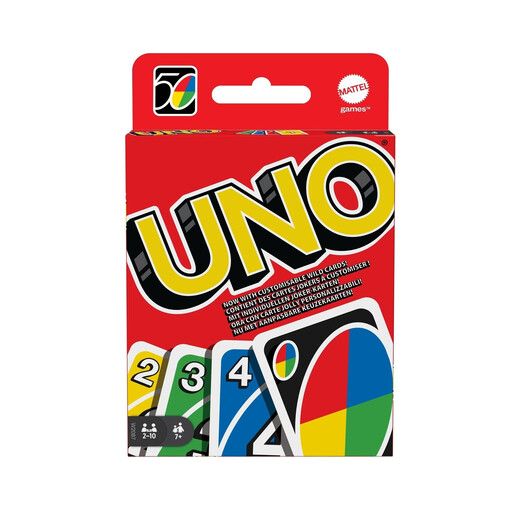
Why this product is a good fit: This card game is designed for 2 to 10 players aged 7 and over, with no set-up or batteries required. That makes it a great choice for family games, holidays and impromptu game nights.
The stated player count suits both small and larger groups. The basic rule – play a card that matches the colour or number – is quick to explain.
112 cards, action cards and customisable wild cards you can write on; compact storage with no extra equipment needed.
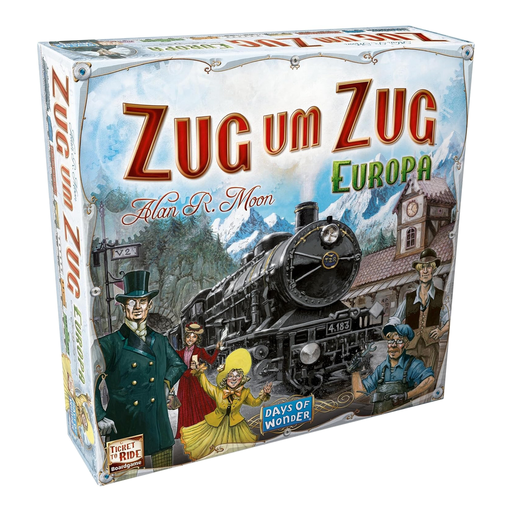
Why this product is a good fit: This German-language board game combines route planning with a clear objective. It’s designed for 2 to 5 players aged 8 and over, making it a good choice for families and regular game nights.
The product details state the player count, recommended age and playing time of around 45 minutes or more. This makes it easier to judge how much space and time you’ll need before buying.
Build routes between European cities, with around 250 game components and a short rules explanation, as stated in the product details.
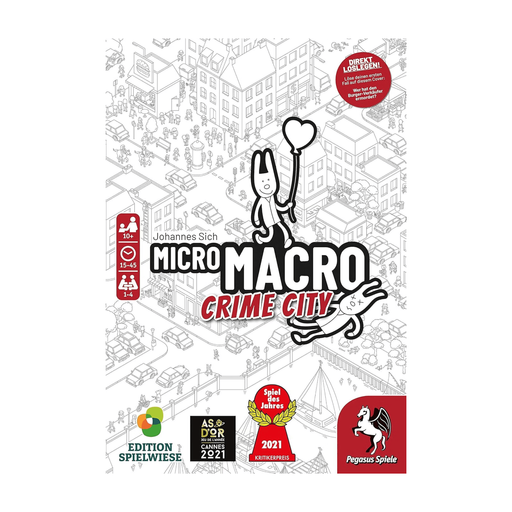
Why this product is a good fit: This co-operative detective game is for groups aged 10 and over who want to solve cases together. Its fabric game map offers an unusual set-up for repeated game nights.
The set includes 16 cases, a large 75 × 110 cm map and a magnifying glass. That gives you a clear idea of the scope, space required and game components in advance.
Solve mysteries together, with German-language instructions and additional cases, according to the product description.

Why this product is a good fit: This music game is designed for 2 to 10 players aged 16 and over. It’s a great fit for parties and adult get-togethers, provided you have a smartphone, the Hitster app and Spotify.
The technical requirements are clearly listed. Before buying, you can check whether you have a smartphone, internet access and Spotify at home.
More than 300 music cards, according to the product description, with placing songs in chronological order at the heart of the game.
We’ve put together a complete, regularly updated list of products that meet these strict selection criteria and fully comply with the safety regulations in force in the EU.
For a short game night, compact card games such as UNO or a quick strategy game are a good choice. Families with children aged 8 and over can look for clear rules, a manageable playing time and easy-to-read cards. Quiz games, music games, escape-room games and tactical board games are all worth considering for adults and teenagers.
At a party with lots of people, the game should still work when attention comes and goes. If you play regularly with the same group, though, you can make room for more complex rules and longer playing times. When buying a gift, the language of the edition, recommended age and number of players are especially important things to check.
Look for games with a version specifically designed for two players. Co-operative games, tactical card games and compact strategy games help avoid long waits between turns. Also check whether the game makes full use of its mechanics with just two players.
A game’s lifespan depends on its materials, how it’s stored and how often it’s played. Keep cards and cardboard components clean and dry, and away from direct sunlight. If a game has lots of small parts, it’s a good idea to store them neatly so nothing gets lost.
With traditional board and card games, there are usually no ongoing costs after the initial purchase. Some games are exceptions, as they require an app, a smartphone or a streaming service. So before buying a music or app-based game, check whether you’ll need any extra technology.