
Lieferung heute & morgen

Qualitätsgarantie

Willkommens-Angebote freischalten: KOSTENLOSE Lieferung | Bis zu 80 % RABATT | Kostenlose 30-Tage-JoyPlus-Testphase
App herunterladen
Board games, family games and card games differ significantly in player count, age rating, playing time and game mechanics. A striking cover, however, tells you little about whether a game will suit your group. If you choose only by well-known titles or big marketing promises, you can quickly end up with a game that is too complicated, too short-lived or unsuitable for the size of your group.
The phrase “for several players” sounds flexible, but it isn’t always meaningful. A game for two to five people works very differently from a party game for up to 16 or 28 players. So check how many people regularly take part and whether the game still works well with a smaller group.
“Ages 8+” does not automatically mean an easy introduction. Family games can require strategic decisions, time pressure or spatial thinking. With escape room games, the difficulty level adds another layer. A game rated “Advanced” may be too challenging for younger children or inexperienced players.
Some board games don’t need batteries but offer an optional app for timers, hints or music. Other games alter or consume cards during play and are only partially reusable afterwards. Cardboard, paper, plastic and textile materials also react differently to moisture and improper storage.
Pay attention to the minimum and maximum number of players stated by the manufacturer. Titles that work for a regular two-player games night are different from those for family celebrations. The duration should also suit the occasion:
The manufacturer’s age recommendation is an important safety and orientation guide. Small parts can pose a choking hazard for younger children. For German-speaking families, you should also check whether the cards and instructions are available in German. This is especially relevant for strategy games, card games and text-heavy party games.
Cardboard and paper components should be stored in a dry place away from direct sunlight. A dry cloth is sufficient for cleaning most games; liquids can warp game boards and cards. Also check:
The following recommendations assign different board games to specific usage scenarios based on these criteria.
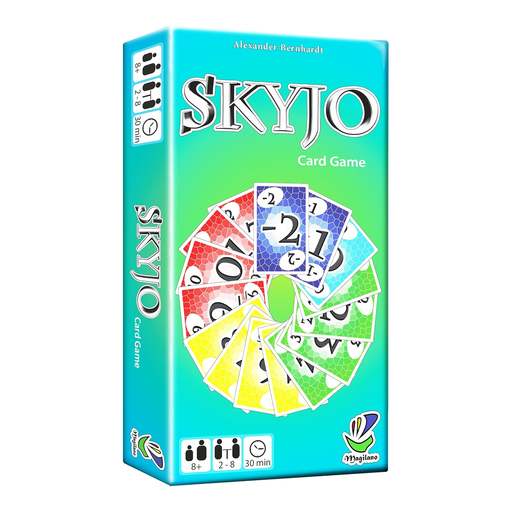
Why this product fits the profile: This card game is designed for 2–8 players aged 8 and up and requires neither batteries nor elaborate preparation. That makes it ideal for families and spontaneous games nights.
The player count of 2–8 and the simple card mechanics reduce the risk that the game is only usable for a specific group size.
Compact dimensions of 19.4 × 10.1 × 3.5 cm, 150 cards and a flexible round structure.
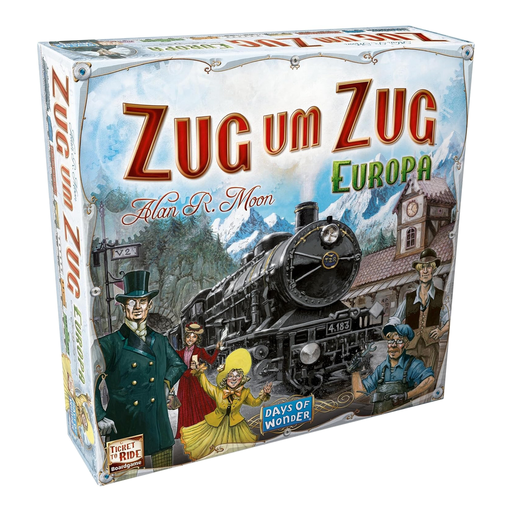
Why this product fits the profile: This strategy game combines straightforward basic rules with route planning for 2–5 players aged 8 and up. It suits families looking for a board game for regular sessions.
The details on player count, age and a playing time of around 45 minutes make it easier to assess before purchase.
Mix of paper, cardboard and plastic materials; the instructions and game language are intended for the German market.

Why this product fits the profile: This cooperative game is designed for 1–4 players aged 10 and up and contains 16 crime cases on a 75 × 110 cm textile map.
The number of included cases is clearly stated. This helps buyers better assess whether the scope matches their desired usage pattern.
Cooperative gameplay, magnifying glass and additional online cases according to the product description.

Why this product fits the profile: This card game is rated for ages 18 and up, contains 200 situation cards and can be used without batteries or setup.
The age rating and the note about dark humour make the target audience clear before purchase.
Compact dimensions of 16.6 × 11.3 × 5 cm and a gameplay principle for at least two players.
We have put together a complete, regularly updated list of products that fully meet these strict selection criteria and the safety regulations in force in the EU.
Games with clear instructions, a manageable playing time and an age rating of 8+ are suitable. Ticket to Ride: Europe, SKYJO and Ubongo Classic meet these formal criteria according to product details. The actual suitability also depends on the children’s reading ability, concentration and gaming experience.
Check the age level, difficulty, player count and reusability. EXIT games for beginners are designed for 1–4 players aged 10 and up. In some editions, materials are folded, written on or altered, which usually means the game is intended for a single playthrough.
Store games in a dry place, either flat or stably upright, and preferably away from direct sunlight. Cards, game boards and puzzle pieces should not come into contact with liquid. After games night, check that all components are back in the box. This way, board games, family games and puzzles remain fully usable for future rounds.