
Lieferung heute & morgen

Qualitätsgarantie

Willkommens-Angebote freischalten: KOSTENLOSE Lieferung | Bis zu 80 % RABATT | Kostenlose 30-Tage-JoyPlus-Testphase
App herunterladen
Board games, card games and party games differ significantly in age suitability, number of players, playing time and complexity of rules. An eye-catching cover or a well-known brand name doesn’t tell you whether a game will suit your family or your planned games night. If you choose purely on popularity or low price, you might end up with a game that stays on the shelf after just a few rounds.
The recommended age isn’t just a marketing suggestion. It’s usually based on small parts, reading ability, rule comprehension and the concentration required. Games for children aged 3 and over have different demands to strategy games for children aged 8 and over, or games for adults.
So pay attention to:
A game for 2 to 8 people sounds flexible, but it can play very differently with two players compared to a large group. Conversely, some cooperative games need at least two people and won’t work as a solo game. So check the player count for your typical situation, not just the maximum number on the box.
A stated duration of 45 minutes might not include setup, rule explanation and scoring. For families with younger children, short rounds often work best. For a games night with friends, a longer playing time is fine. When thinking about gift ideas for families, you should also consider whether the game can be played spontaneously or only with enough preparation time.
Board games often contain cards, playing pieces, dice or tokens. Products with small parts should always be kept away from children under 3. The warnings on the packaging and in the product description take priority. For games for children aged 3 and over, supervised play is recommended, especially if the child still puts objects in their mouth.
First, sort the game you want by how you’ll use it:
This approach narrows down your choices far more effectively than general phrases like “fun for the whole family”.
If you’ll use the game often, look for sturdy cards, clear printing and solid playing pieces. A box with sorting compartments can speed up setup and help prevent missing pieces. Also check the language of the instructions: some products have rules only in German, while others are multilingual or available in English.
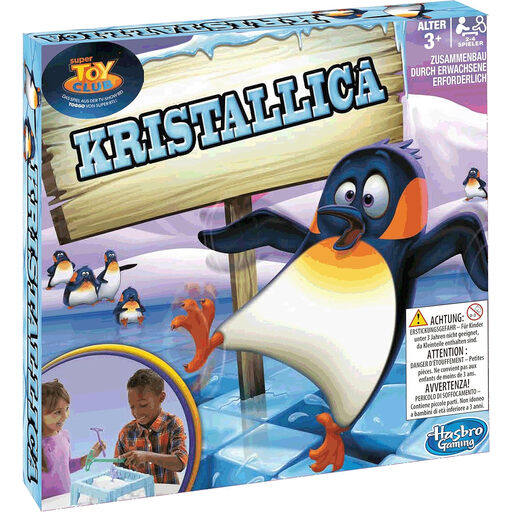
Why this product fits the profile: The game is designed for 2 to 4 players aged 3 and over, with simple rules and straightforward setup. This makes it a great introduction to shared game rounds with preschool children.
The age recommendation, player count and simple turn sequence are clearly stated. This lets you check before buying whether the game suits your family size and the child’s age.
2–4 players, recommended for ages 3 and up, and game pieces made from cardboard.

Why this product fits the profile: This cooperative 2-player game for ages 10 and up combines hidden dice placement with 21 airport scenarios and varying challenges.
The fixed player count prevents false expectations about large groups. The scenarios and age recommendation make the game’s difficulty clear before you buy.
2 players, 21 missions, no batteries required and cooperative gameplay mechanics.
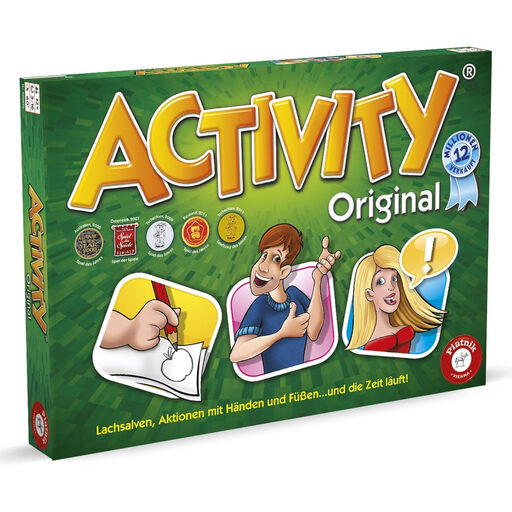
Why this product fits the profile: For parties and large games nights, this game offers tasks involving drawing, acting and explaining. It’s designed for 3 to 16 players aged 12 and over.
The maximum group size and age limit are clearly stated. This prevents you from planning a big party game for a small or too-young group.
3–16 players, 2,640 terms and three different types of tasks.
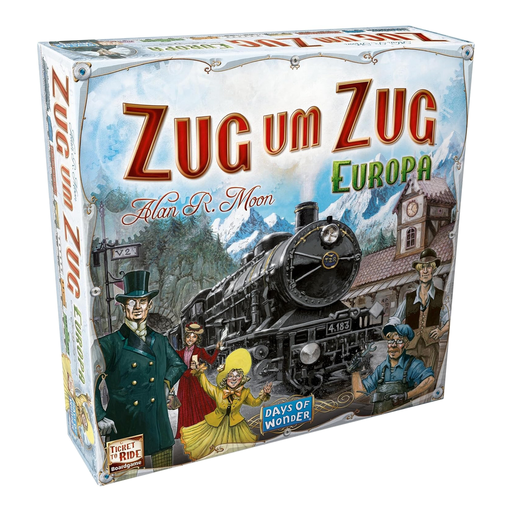
Why this product fits the profile: This family game for 2 to 5 players aged 8 and over combines route planning, card management and a stated playing time of around 45 minutes or more.
Player count, age range, language and approximate duration can all be checked in advance. This reduces the risk of choosing a more demanding strategy game for a short children’s round.
2–5 players, German edition, recommended for ages 8 and up, and no batteries required.
We’ve put together a full, regularly updated list of products that meet these strict selection criteria and comply with EU safety regulations.
Look for a low age recommendation, easy-to-understand rules and a player count that matches your family. For younger children, games for ages 3 and over are a good option. From school age onwards, family games like route-building, card or tile-laying games expand the choice. Always cross-check the age recommendation with the safety warnings.
The lifespan depends on the materials, storage and how they’re handled. Cards and cardboard pieces should be stored in a dry place and not bent. Plastic playing pieces and wooden components are usually easy to sort and check. A storage solution inside the original box helps keep all pieces together and makes setup easier.
Aside from the purchase price, classic board games usually have no ongoing costs and no battery consumption. Additional expenses may come from expansions, replacement parts or an app, if one is recommended for certain features. So check before buying whether the base game can be played on its own and what components are actually included.