
Lieferung heute & morgen

Qualitätsgarantie

Willkommens-Angebote freischalten: KOSTENLOSE Lieferung | Bis zu 80 % RABATT | Kostenlose 30-Tage-JoyPlus-Testphase
App herunterladen
Board games should suit the players’ ages, the size of the group and the time available. Yet buyers often choose a version that doesn’t work so well in practice: the game takes up more space than expected, the rules are too complicated for children, or the stated player count doesn’t suit the usual group.
Before you buy, it’s worth checking the specific product details rather than relying on general marketing claims.
A listing such as “2 to 10 players” describes the possible range, not necessarily the ideal group size. Some card games remain easy to follow even with lots of players. Other board games take considerably longer when more people join in.
For family gatherings, parties and larger game nights, party games with short rounds are usually more practical. For two to four people, strategy games, card games or classic board games are often a better fit.
“Age 8+” doesn’t mean that every child will understand the game straight away without help. Other factors to consider include:
When choosing games for children aged 8 and over, parents should consider not only the minimum age but also the playing time and difficulty level.
Music games with an app, digital extras or specialist game materials can add to the experience. However, they may also require a compatible smartphone, an internet connection, an account or batteries. If you’re looking for a classic game with no technical requirements, check this before buying.
Check that the usual group size falls within the official player count. Board games for 2 to 10 players aren’t necessarily equally suitable for every group size in a two-person household. A game may be listed for two players, but its mechanics might only really come into their own with more people.
Check the approximate playing time and how much set-up is involved. A game night with people coming and going is better suited to a game that’s quick to get started. For larger board games, also consider table space, sorting the cards and storage.
Use cards, boards, plastic parts and playing pieces as described, and store them in a dry place. If the game contains small parts, note the warning about the choking hazard for children under 3. A German-language instruction booklet is also useful for families in Germany, particularly with more complex strategy games.
For digital games, compare the platform, age rating and any additional requirements too. If you’re buying a physical board game, check the packaging for all the parts and safety information when it arrives.
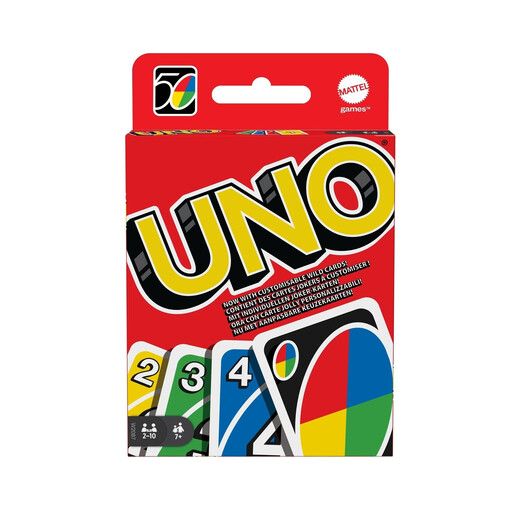
Why this product suits this profile: This card game is designed for 2 to 10 players and requires neither batteries nor extensive set-up. The basic mechanic is to match cards by colour or number.
The player count and card format are clearly stated, and no batteries are required. That means fewer extra costs for accessories.
With 112 cards, special cards and a compact format, it’s easy to take along and well suited to short rounds.
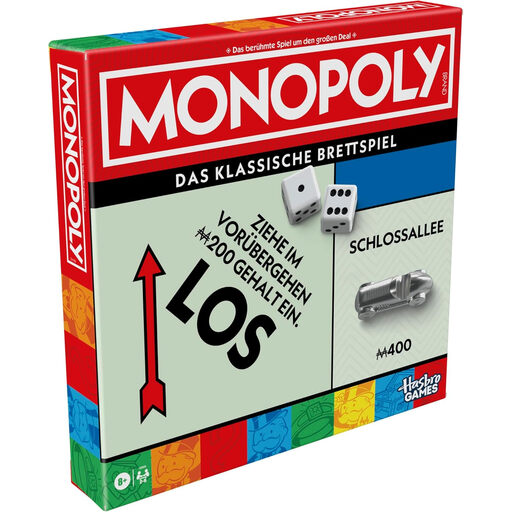
Why this product suits this profile: This edition is designed for 2 to 8 players aged 8 and over. It includes a lidded storage compartment and eight larger metal playing pieces.
The built-in compartment helps keep money, cards, houses and playing pieces together. The age and player-count information also makes it easier to plan a family game night.
A lidded storage compartment, eight metal playing pieces and enough game components for up to eight players.

Why this product suits this profile: This cooperative detective game is aimed at groups aged 10 and over. It includes 16 cases, a fabric game map measuring 75 × 110 cm and a magnifying glass.
The number of cases and the accessories required are clearly listed. You can check in advance that you have enough table space and suitable lighting.
A cooperative game mode, 16 cases and a large fabric map for solving mysteries together.
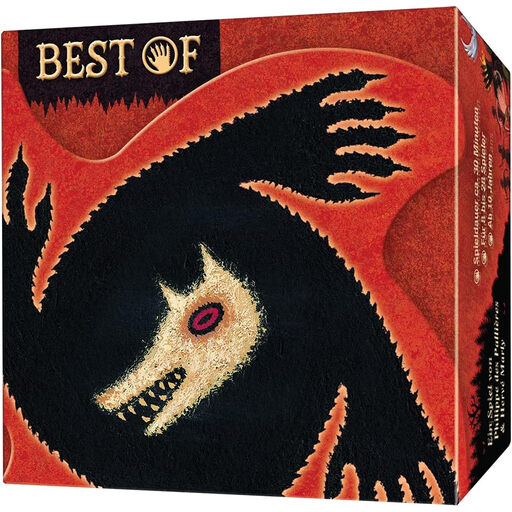
Why this product suits this profile: This deduction game is designed for 8 to 28 players aged 10 and over, with secret roles, plenty of discussion and a game moderator.
The wide player-count range is clearly stated. If you’re planning a moderated game with time for discussion, you can make sure to have a game moderator in place beforehand.
Suitable for large groups, with secret roles and a stated playing time of at least 30 minutes.
We’ve put together a complete, regularly updated list of products that meet these strict selection criteria and fully comply with the safety regulations in force in the EU.
Before you place your order, tick off these points:
Compact card games, tactical board games and games specifically designed for two players are all worth considering. The key is whether the game mechanics work well with just two players. Don’t go below the official minimum player count.
A game’s lifespan depends on its materials, storage and how often it’s played. Cards and boards will last longer if they’re stored dry, away from direct light and neatly sorted. Keep liquids away from paper and cardboard components. If you play a game often, it’s a good idea to store everything neatly in a closed box.
When choosing games as gifts, look for products with a clear age rating, a manageable player count and a theme that suits the recipient. Family games for ages 8 and up are often a good choice for families. Adults might enjoy party games, music games, more challenging card games or cooperative games.