
Lieferung heute & morgen

Qualitätsgarantie

Willkommens-Angebote freischalten: KOSTENLOSE Lieferung | Bis zu 80 % RABATT | Kostenlose 30-Tage-JoyPlus-Testphase
App herunterladen
Board games should suit the players’ ages, group size and occasion. In practice, however, you often only discover after buying whether a game is suitable for the planned game night. Families are often looking for family games for different age groups, while adults may prefer party games or strategy games for larger groups. When travelling, compact dimensions and secure storage are more important.
The phrase “for several players” sounds flexible, but it is not always very informative. A game for 2 to 10 people can feel completely different with two players than it does in a large group. Check the recommended number of players and consider how many people will normally actually take part.
A strategy game with a stated playing time of 45 minutes or more is not automatically suitable for a quick round at the kitchen table. Conversely, a very short card game can quickly become repetitive during a long game night. For birthdays, family visits and parties, simple rules and a quick start are often more important than a large number of game components.
“Board games for ages 6 and up”, “board games for ages 8 and up” and “board games for ages 12 and up” are not merely marketing statements. They provide information about the level of understanding required, the themes and potential safety risks. Many games contain small cards, counters, balls or playing pieces. You should therefore read the warnings on the packaging before buying and before the first game.
For children and mixed family groups, clearly written rules and an age-appropriate theme are essential. With German board games, you should also check that the cards and instructions are actually available in German. For games for adults, a content warning may also be relevant, for example in the case of dark humour or sensitive topics.
Also check whether a game is designed for a single round or played over several rounds. This affects how well it suits a game night or a trip.
Coated or sturdy card is practical for frequent shuffling and dealing. With board games, pay attention to the size of the box and whether the components can be stored neatly. Travel games need a compact format and, ideally, a bag or integrated compartments so that pieces do not get lost while travelling.
For products with small parts, the manufacturer’s age recommendation and warnings always take priority. Damaged cards, broken plastic parts and loose small components should be removed.
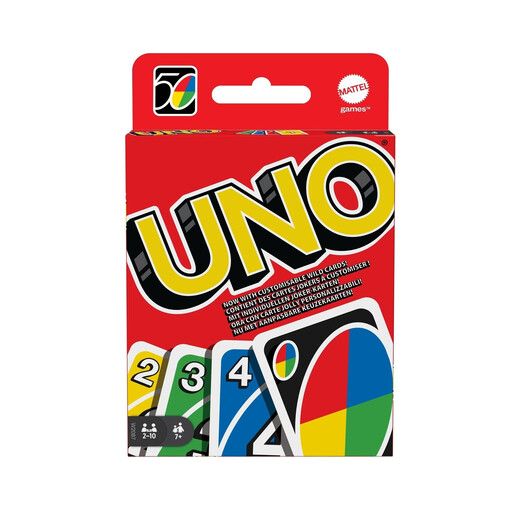
Why this product suits this profile: This card game is designed for 2 to 10 players aged 7 and over, making it suitable for families, friends and spontaneous games.
The number of players and recommended age are clearly stated. The deck of cards requires no set-up or batteries.
112 cards, simple colour and number rules, plus special cards for varied rounds.
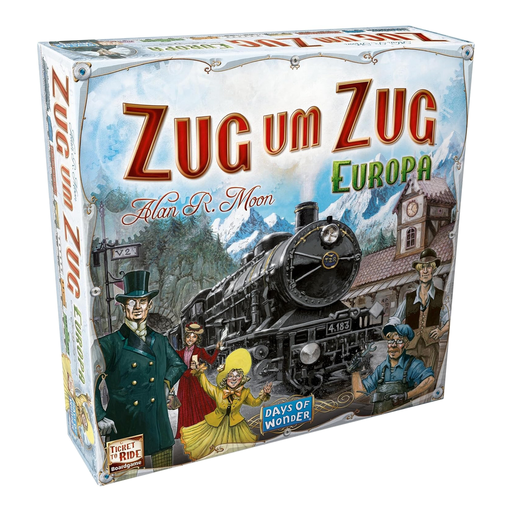
Why this product suits this profile: This board game combines route planning with a European theme and is designed for 2 to 5 players aged 8 and over.
The product details specify the number of players, age range, materials and a playing time of around 45 minutes or more.
Game board, cards and plastic components; according to the product details, the German-language version is included.
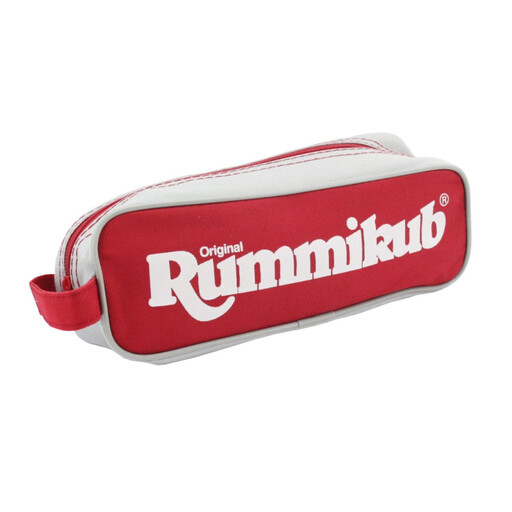
Why this product suits this profile: This version for 2 to 4 players aged 7 and over comes with a fabric bag and is designed for transport and storage.
The bag reduces the risk of pieces being left loose in a suitcase or rucksack. The age recommendation is clearly stated.
Compact travel version, numbered tiles and rules in German; no batteries required.
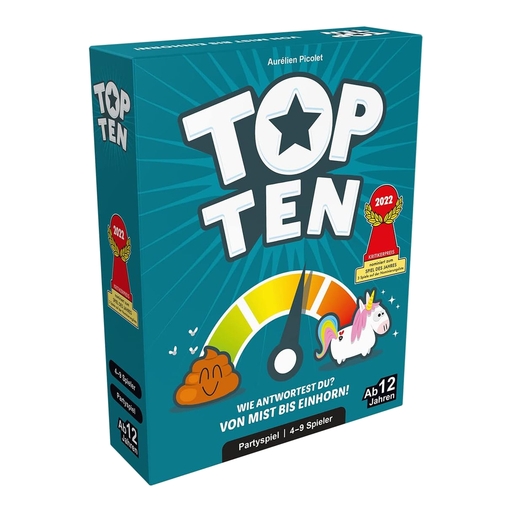
Why this product suits this profile: This co-operative party game is designed for 4 to 9 players aged 12 and over and has a playing time of around 30 minutes.
The fixed group size and stated round length make it easier to plan a game night or celebration.
Players rank answers together, with cards made from paper and card, plus rules for five rounds.
We have put together a complete, regularly updated list of products that fully meet these strict selection criteria and the safety regulations applicable in the EU.
Look for a clear age recommendation, a manageable playing time and a number of players that suits your family. For younger children, games for ages 6 and up may be suitable, for example. In mixed groups, simple card games or co-operative family games can make it easier to get started.
Their lifespan depends on the materials, how often they are used and how they are stored. Cards should be kept dry and clean, while plastic components should be checked regularly for damage. Keeping all the pieces together in the original box reduces the risk of anything going missing.
For travelling, compact card games, travel games with a bag or games with integrated storage are practical choices. Before buying, check the dimensions, weight and number of individual pieces. For games with app or streaming connectivity, you should also plan for a smartphone, an internet connection and, where necessary, a user account.