
Lieferung heute & morgen

Qualitätsgarantie

Willkommens-Angebote freischalten: KOSTENLOSE Lieferung | Bis zu 80 % RABATT | Kostenlose 30-Tage-JoyPlus-Testphase
App herunterladen
Dry, rough or sensitive skin doesn’t automatically need the same body care. A light body cream can be pleasant in summer, whereas in winter or for heavily stressed areas, a richer body cream makes more sense. At the same time, fragrance, luxurious packaging and performance promises can tempt you to overlook important product details.
If you’re looking to buy a body cream, you should pay particular attention to three typical pitfalls:
For dry to very dry skin, formulations with glycerin, urea, shea butter, ceramides or plant oils are worth considering. A body cream with urea can be an option if rough patches of skin are your main concern. The concentration should be checked on the packaging, as different urea levels are offered for various skincare needs.
A body cream for sensitive skin should be as simple as possible in its formulation and free from perfume if you don’t tolerate fragrance well. If you have known allergies, the full INCI list is what matters. Product details can change, so always compare the list on the packaging you receive with the online information.
A moisturising body cream often works with humectants such as glycerin or sodium hyaluronate. Shea butter, squalane, jojoba oil or other lipids can add extra suppleness to the skin feel. However, a long ingredients list doesn’t automatically mean a more suitable product.
Also pay attention to the texture:
Most body creams are applied to clean, dry skin and massaged in until absorbed. After showering, you can incorporate the application into your daily body care routine. For dry patches, it’s worth reapplying as needed.
Before buying, also check the fill volume, packaging type, shelf life and usage instructions. A 150 ml pot may be enough for occasional use, while 400 or 450 ml can be more economical for regular users. For products aimed at sensitive skin, heed warnings such as “do not apply to irritated or damaged skin”.
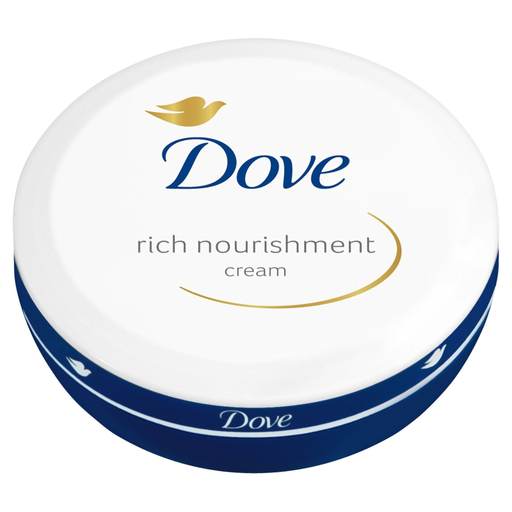
Why this product fits the profile: This 150 ml cream is designed for daily body care and, according to the product details, is suitable for all skin types. It can be used specifically on dry areas such as elbows, hands, knees and heels.
The product description names specific areas of use and a creamy yet fast-absorbing texture, rather than relying solely on general fragrance or luxury claims.
150 ml content; glycerin, petrolatum and paraffinum liquidum are listed in the stated INCI list.
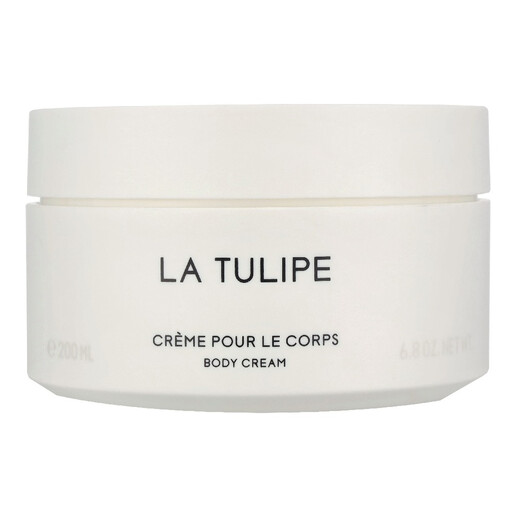
Why this product fits the profile: According to the product description, this rich body cream combines shea butter and plant-based or synthetic care components with the La Tulipe fragrance profile.
The fragrance notes and INCI list are transparently disclosed. This makes it easier to assess whether a fragranced body cream suits your personal needs.
200 ml content; shea butter, glycerin and dimethicone are listed in the stated ingredients list.
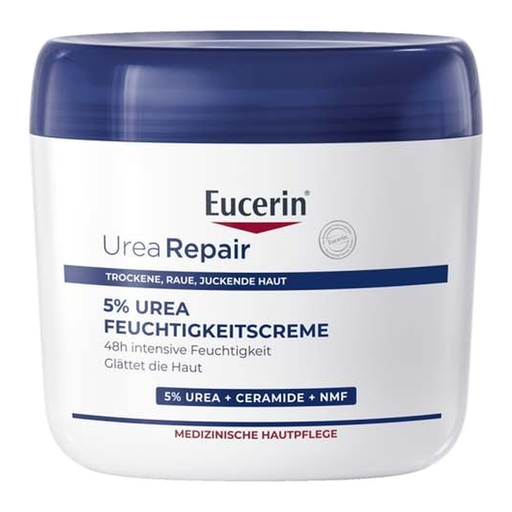
Why this product fits the profile: According to the product details, this fragrance-free body cream is intended for dry to very dry, rough skin and offers a large 450 ml fill volume for regular use.
The urea content is specifically stated as 5%, and the formulation is described as free from perfume. This makes selection easier compared to vague moisture promises.
450 ml content; urea, glycerin, ceramide NP and other moisturising factors are included according to the product data.
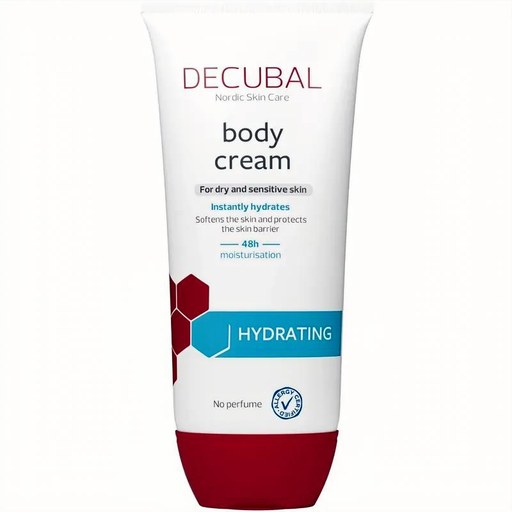
Why this product fits the profile: This nourishing body cream is described as free from perfume, colourants and parabens, and is aimed at dry, very dry and sensitive skin.
The absence of perfume and colourants reduces uncertainty for those who wish to avoid fragrance ingredients. The current packaging remains the definitive source for final checking.
200 ml content; glycerin, shea butter and sodium hyaluronate are listed in the stated INCI list.
We’ve put together a full, regularly updated list of products that fully meet these strict selection criteria and the safety regulations in force in the EU.
Apply the body cream as soon as possible after showering, while your skin is still slightly damp. This helps it spread evenly. Very rich products are better suited to dry areas or your evening routine. A light body cream, on the other hand, can be more practical in the morning if you’re getting dressed straight afterwards.
With fragranced products, first use a small amount on an inconspicuous area. If redness, stinging or other irritation occurs, stop using it. Cosmetic body creams are intended for external use only and do not replace medical advice.
For dry skin, formulations with glycerin, urea, shea butter, ceramides or oils may be suitable. What matters is the skin feel, tolerance and the specific composition. For very dry or repeatedly irritated patches of skin, seek medical advice.
Urea is a commonly used moisturising factor. Whether a body cream with urea is right for you depends on the concentration, your skin condition and personal tolerance. On irritated or damaged skin, application may be uncomfortable. Follow the instructions on the packaging.
The best-before date and the PAO symbol on the packaging are what matter, for example “12M”. Store the cream closed, in a dry place away from direct sunlight or heat. If the smell, colour or consistency changes noticeably, do not continue using the product.