
Lieferung heute & morgen

Qualitätsgarantie

Willkommens-Angebote freischalten: KOSTENLOSE Lieferung | Bis zu 80 % RABATT | Kostenlose 30-Tage-JoyPlus-Testphase
App herunterladen
Whether kitchen brushes, hairbrushes or paintbrushes: brushes perform a wide range of different tasks. A washing-up brush must remove grease and food residue without putting unnecessary strain on delicate surfaces. A hairbrush should suit your hair type and preferred styling technique. With a paintbrush, on the other hand, the bristle shape, width and paint compatibility determine how easy it is to use.
If you choose based only on colour, price or advertising claims, you can easily overlook important details. Three typical buying problems occur particularly often:
The bristle material should suit the task. PP or PET bristles retain their shape and are commonly used for cleaning brushes, toilet brushes and washing-up brushes. Silicone bristles are easy to rinse and are suitable for applications including pastry brushes, glazes and marinades.
Hairbrushes and styling brushes may use nylon bristles, plastic pins or blends containing natural bristles. A model with boar bristles is not automatically suitable for every hair type. If you want to detangle wet hair, check the manufacturer's instructions. A brush stated in the product information as suitable for dry hair only should not be used contrary to this recommendation.
For paintbrushes and DIY brushes, synthetic filaments are a practical option when compatibility with the paint being used is specified. The requirements may vary for solvent-based paints, acrylic paints and wall paints.
An ergonomically shaped handle can improve control while you work. A longer handle is practical for washing deep pots. With a bottle brush, however, the key consideration is that the brush head fits through the opening and reaches the bottom.
Look out for the following details:
Brushes should be cleared of residue after every use. With kitchen brushes and pastry brushes, it is important to know whether the head can be removed or whether the product is stated to be dishwasher-safe. The handle should not automatically be assumed to have the same temperature resistance as the brush head.
For cleaning brushes used on coated cookware, check material compatibility particularly carefully. A hard brush may be suitable for burnt-on residue but unsuitable for delicate coatings. Toilet brushes should be allowed to drain after use and stored somewhere with plenty of ventilation wherever possible.
Clean paintbrushes immediately after use with water or a suitable cleaning product. Paint residue that dries in the brush can permanently bond the bristles together. When using brushes for wood oil, also follow the manufacturer's safety instructions.
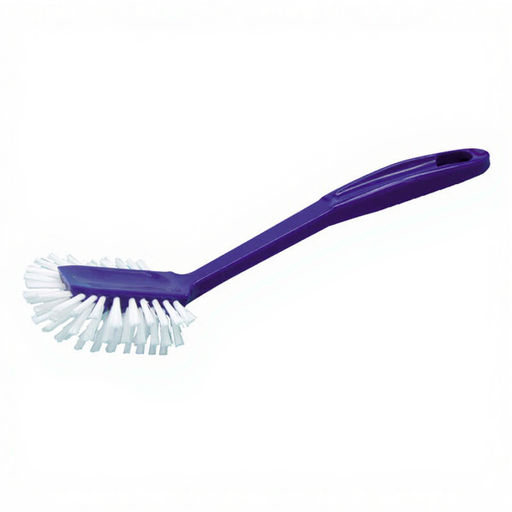
Why this product suits the profile: This washing-up brush is designed for everyday kitchen tasks and has a 24.2 cm-long handle. This makes it easier to clean deep pots and pans while keeping more distance from water and cleaning products.
The integrated scraper edge provides an additional function for dealing with more stubborn residue. This reduces the need for a separate scraper, but does not replace checking surface compatibility.
Stabilised PP plastic, 24.2 cm length and a hanging hole for air-drying.
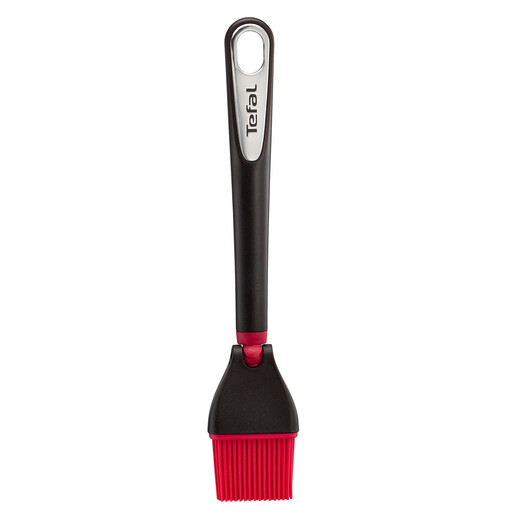
Why this product suits the profile: This pastry brush has a removable silicone head and is described as dishwasher-safe. That makes it a good fit for households where baking, marinating and regular cleaning go hand in hand.
The removable head makes cleaning easier and helps you spot residue around the connection. Check the stated temperature limit before using it on very hot cookware.
Silicone head, removable design and stated dishwasher suitability.
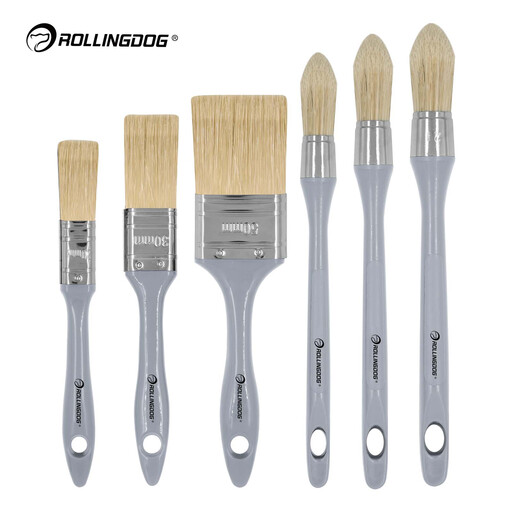
Why this product suits the profile: This brush set contains six sizes and shapes for walls, furniture, edges and detail work. For renovation and DIY projects, this combination is more versatile than a single paintbrush.
The different widths prevent you from tackling large surfaces with a brush that is too narrow. After use, clean the brush according to the type of paint.
Six brushes, including flat brushes from 20 to 50 mm and round detail brushes.
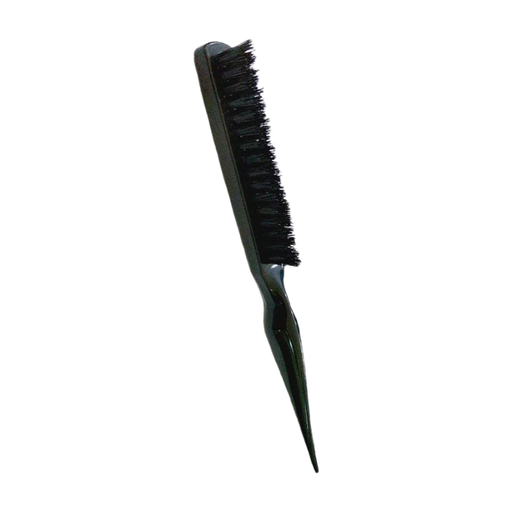
Why this product suits the profile: The combination of nylon and boar bristles, together with the pointed handle, is designed for backcombing, sectioning and styling dry hair.
The product information explicitly states that it is intended for dry hair. This helps avoid a common mistake: using a styling brush on wet hair without the appropriate approval.
Pointed sectioning handle and mixed nylon and boar bristles.
We have put together a complete, regularly updated list of products that fully meet these strict selection criteria and the safety regulations applicable in the EU.
A brush's service life depends largely on how it is used, cleaned and stored. Washing-up brushes, bottle brushes and toilet brushes should be rinsed after every use and stored so that water can drain away. Cleaning performance decreases when bristles become badly frayed or deformed.
Make-up brushes should be cleaned regularly with a suitable mild cleaning product and allowed to dry completely. Not sharing them with other people is a sensible hygiene measure. Pastry brushes must be washed before first use and cleared of grease or sugar residue after use.
With paintbrushes, the rule is: do not allow paint to dry, do not leave the brush standing in liquid for extended periods, and gently reshape the bristles after washing. Wooden handles should not be left in water for longer than necessary.
A bottle brush with a long, narrow head and flexible bristles is suitable. The diameter must match the opening. For delicate glass surfaces, softer bristles are the more cautious choice.
There is no set period that applies to every model. Replace the toilet brush when the bristles are permanently deformed, badly discoloured or damaged. An unpleasant smell that remains despite thorough cleaning may also indicate that it is time for a replacement.
Silicone pastry brushes are often easier to rinse because liquids and dough residue are less likely to become trapped deep between the bristles. The specific manufacturer's instructions on temperature, cleaning and dishwasher use remain decisive.