
Lieferung heute & morgen

Qualitätsgarantie

Willkommens-Angebote freischalten: KOSTENLOSE Lieferung | Bis zu 80 % RABATT | Kostenlose 30-Tage-JoyPlus-Testphase
App herunterladen
Chamomile is renowned for its calming properties and is found in a wide variety of products, from tea to skincare. However, not every product advertised "with chamomile" delivers on its promise. Many consumers invest in items that fail to serve their intended purpose due to misleading marketing or unsuitable formulations. This guide will help you avoid common purchasing pitfalls and find products tailored to your needs.
Before making a purchase, it's helpful to understand the typical issues that can lead to dissatisfaction.
To ensure you purchase a suitable product, you should check three core parameters.
The declaration on the packaging provides the first clues about quality. Pay attention to the exact designation:
For skincare products, always check the full list of ingredients (INCI). This is particularly important for products intended for sensitive applications, such as baby bath with chamomile or moist toilet paper with chamomile. Look for formulations that are free from potentially irritating substances like certain alcohols, synthetic fragrances, or colourants. Dermatological tests or seals can offer additional assurance.
Ensure that the product's formulation is suitable for your specific needs. A chamomile concentrate for external use is formulated differently from a drinkable tea. A soothing cream for the face has a different composition than a hand cream. The product description should provide clear instructions for use and its intended purpose.
Here are some product recommendations tailored to different user profiles.
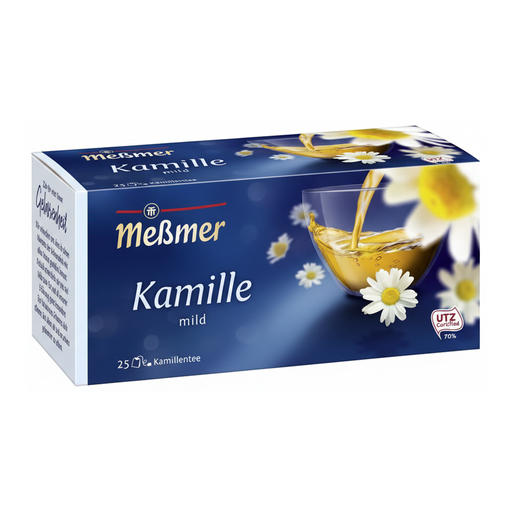
Why This Fits Their Persona: Ideal for tea drinkers looking for a simple, mildly aromatic chamomile tea for their evening routine or a calming break during the day.
This product consists exclusively of chamomile flowers. There are no misleading additives or artificial flavours, ensuring the focus remains clearly on the pure tea experience.
The herbs are 100% Fair Trade certified. The product is also gluten-free, lactose-free, and vegan.
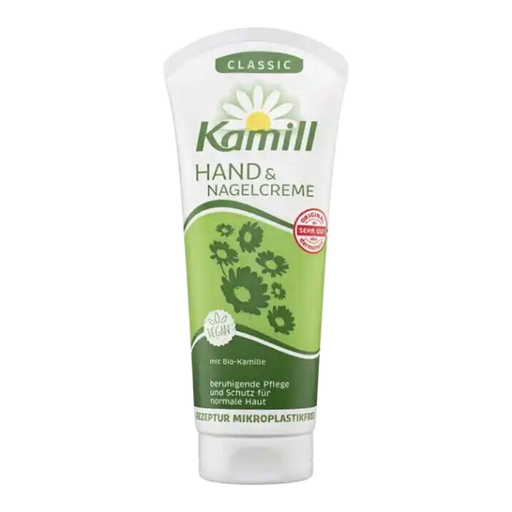
Why This Fits Their Persona: Suitable for individuals seeking a moisturising and protective hand and nail cream for daily use, especially for normal to dry skin.
The formula is transparent and intentionally free of colourants, parabens, paraffins, and mineral oil. It contains certified organic chamomile extract.
Skin compatibility has been dermatologically confirmed. The cream is vegan and absorbs quickly without leaving a sticky film.
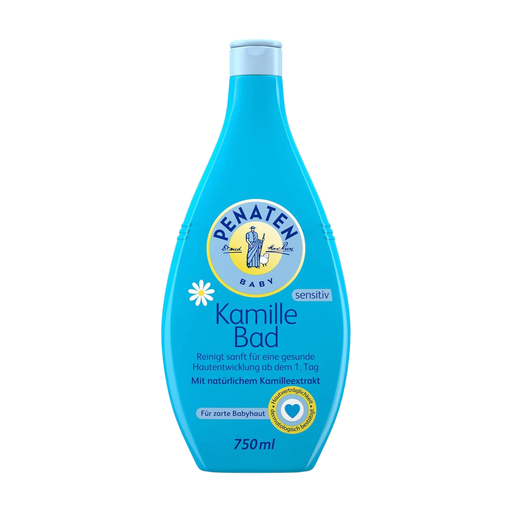
Why This Fits Their Persona: Perfect for parents looking for an exceptionally gentle bath additive for the sensitive skin of newborns and babies.
This product is specifically developed for babies, avoiding the trap of using a generic chamomile product. It is free from parabens and colourants and contains natural chamomile extract.
The "no more tears" formula is as gentle on the eyes as pure water. Skin compatibility has been dermatologically confirmed.
We've compiled a complete, up-to-date list of products that fully meet these strict selection criteria and German regulations.
1. What is the difference between German Chamomile and Roman Chamomile in products? German Chamomile (Matricaria recutita) is the most common type in Germany and is primarily used for teas and skincare products, as it is known for its soothing properties. Roman Chamomile (Chamaemelum nobile) has similar properties but is more frequently used in aromatherapy and perfumes due to its slightly different, fruitier aroma. For most common applications like tea or skincare, German Chamomile is the standard choice.
2. How do I recognise high-quality organic chamomile tea? High-quality organic chamomile tea should consist of whole, well-preserved flower heads, not fine dust. The colour should be a bright yellow-white. An official organic seal (like the EU organic logo) on the packaging ensures that it was grown without synthetic pesticides and fertilisers. The ingredient list should ideally contain only one entry: "Chamomile flowers from certified organic farming."
3. Can I use chamomile products if I have very sensitive skin or allergies? Although chamomile is known for its gentle effects, individuals with a known allergy to the Asteraceae family (such as mugwort, arnica, or marigold) may also react sensitively to chamomile. If you have very sensitive skin, it is advisable to first test a new product on a small patch of skin, for example, in the crook of your arm. Products labelled as "dermatologically tested" and "fragrance-free" often offer better tolerability.