
Lieferung heute & morgen

Qualitätsgarantie

Willkommens-Angebote freischalten: KOSTENLOSE Lieferung | Bis zu 80 % RABATT | Kostenlose 30-Tage-JoyPlus-Testphase
App herunterladen
By: Joybuy Product Recommendation OfficerDate: 28 August 2026
Champagne is more than just a drink; it's a symbol of celebration and special moments. But when it comes to buying, the vast selection of brands, styles, and price points can be overwhelming. Common misconceptions about sweetness levels or the importance of glass shape often lead to an unsuitable choice. This guide will help you understand the key criteria to confidently find the perfect Champagne for your occasion and palate.
Before you make a decision, it's helpful to be aware of two common misunderstandings that often lead to a disappointing experience.
To buy the right Champagne, focus on three objective characteristics that define the character of every bottle.
Dosage refers to the small amount of sweetened wine added after the second fermentation, which determines the final sweetness level of the Champagne. This classification is noted on every bottle and is a reliable indicator of the flavour profile.
Champagne is primarily made from three grape varietals, and their blend (assemblage) significantly shapes the style:
A Rosé Champagne gets its colour either from a short maceration of the red grape skins or by adding a small amount of red wine to the cuvée.
The enjoyment doesn't end with the bottle. The choice of Champagne glasses has a direct impact on the tasting experience.
Furthermore, a high-quality Champagne stopper is essential for keeping an opened bottle fresh for one to two days by preserving the pressure and carbonation.
Here are some recommendations tailored to different needs and profiles.
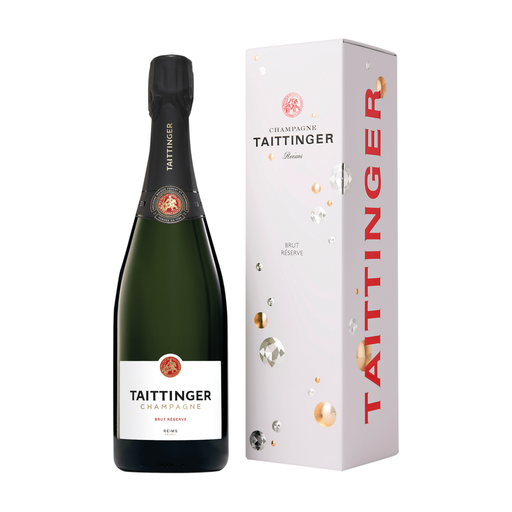
Why This Fits Their Persona: Ideal for hosts seeking a Champagne with consistently high quality and broad appeal. It is a symbol of festivity and suits many occasions without being too niche.
As a classic Brut, it bypasses the sweetness trap, offering a balanced, dry flavour profile that is appreciated by most guests.
The high proportion of Chardonnay ensures freshness and harmony. Notes of brioche, peach, and white flowers make it a versatile companion.
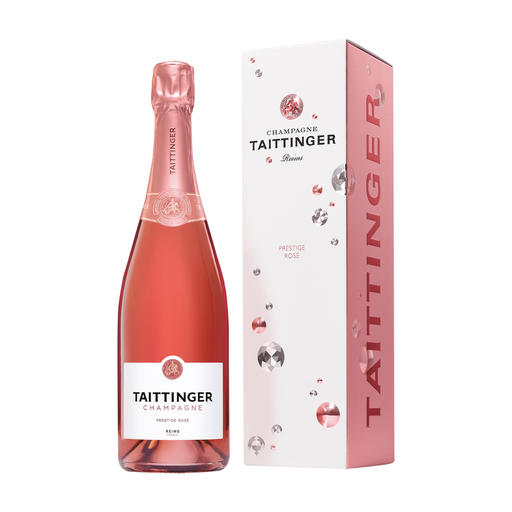
Why This Fits Their Persona: For connoisseurs looking for an expressive yet elegant rosé. Perfect for special occasions that call for a visually and tastefully appealing alternative to a classic Brut.
This rosé is designed as an assemblage rosé, which ensures consistent quality and a balanced profile. It is lively and fresh, not overly sweet or heavy.
Offers an elegant balance between silky and full-bodied notes. Its profile is described as lively, fruity, and fresh.
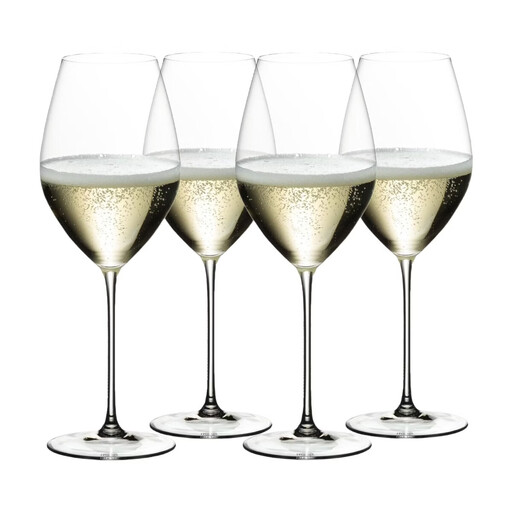
Why This Fits Their Persona: For enthusiasts who understand that the right glass is crucial for unlocking a Champagne's full potential. An ideal upgrade for any home bar collection.
This glass purposefully breaks from the tradition of the narrow flute. Its egg-shaped bowl and wider rim diameter allow complex aromas to develop.
Features a "sparkling point" to encourage bubble formation. The design is specifically engineered to intensify the complex aromas of Champagne.
We have compiled a complete, up-to-date list of products that fully meet these strict selection criteria and regulations.
An opened bottle of Champagne should be consumed as quickly as possible to minimise the loss of carbonation. With a special Champagne stopper that maintains the pressure inside the bottle, the Champagne can be kept fresh in the refrigerator for about 1 to 3 days. Without such a stopper, it often loses its fizz within just a few hours.
The main difference lies in their origin and production regulations. Champagne can only be produced in the Champagne wine region of France according to the strictly regulated "méthode champenoise" (traditional bottle fermentation). German Sekt can come from various regions and is subject to less stringent production rules, although high-quality artisanal Sekt (Winzersekt) is also made using traditional bottle fermentation.
The choice depends on the occasion and personal preferences. For a reception or as an apéritif, a Brut Champagne like the Taittinger Brut Réserve is an excellent and versatile choice. For a romantic dinner or as a special highlight, a Rosé Champagne can be fitting. A Champagne gift set, which includes matching glasses along with the bottle, is a thoughtful option for anniversaries or weddings. Consider the recipient's taste and the context of the celebration.