
Lieferung heute & morgen

Qualitätsgarantie

Willkommens-Angebote freischalten: KOSTENLOSE Lieferung | Bis zu 80 % RABATT | Kostenlose 30-Tage-JoyPlus-Testphase
App herunterladen
If you're looking to buy Champagne, the online marketplace offers countless brands, styles and gift packaging. The selection ranges from classic Brut Champagne to Rosé Champagne, right through to Demi-Sec and Sec. However, the price alone tells you very little about whether a bottle suits the planned occasion, the food you're serving, or your personal taste.
As Joybuy Product Recommendation Officer, the focus here is on verifiable product data rather than generic quality promises. The following criteria will help you avoid common mistakes when buying Champagne online.
A well-known name such as Taittinger Champagne, Moët & Chandon Champagne, Veuve Clicquot Champagne or Pommery Champagne doesn't automatically tell you how sweet, fruity or dry a Champagne tastes. What really matters are the grape varieties, the ageing time and the dosage. Within a single brand, Brut, Rosé, Demi-Sec and Sec bottlings can differ significantly.
“Brut” is often used as a general term for Champagne. In reality, Brut is a specific style with a low residual sugar content. Sec is sweeter than Brut, while Demi-Sec contains even more residual sugar. If you're looking for a dry aperitif and accidentally order Demi-Sec, you may not get the flavour profile you expected.
A gift box or a set with glasses can be practical for a festive occasion. However, it doesn't automatically change what's inside the bottle. Before you buy, you should check the net volume, alcohol content, what's included in the delivery, and the closure type. The standard size for a private occasion is Champagne 0.75 l; sets may include additional accessories.
For an aperitif or to accompany seafood, Brut is often the go-to choice. This designation indicates a dry style. A Rosé, thanks to red grapes or the production method, can offer fruitier and more intensely coloured impressions. Depending on the specific bottling, it pairs well with desserts, salmon, poultry or salads.
Demi-Sec Champagne, with its higher residual sweetness, is better suited to fruity or sweet dishes. Sec Champagne also sits on the sweeter side and can be served with poultry or creamy desserts. The specific product description remains key, as the aroma and sweetness don't depend solely on the label.
Champagne is traditionally made from Chardonnay, Pinot Noir and Pinot Meunier. The proportion of each influences the style, but doesn't alone allow for a blanket judgement. For example, Taittinger Brut Réserve is stated to contain 40 % Chardonnay, 40 % Pinot Noir and 20 % Pinot Meunier. Ageing in the bottle can bring out additional notes such as brioche, vanilla or ripe fruit.
According to product information, Pommery Brut Royal is blended from Chardonnay, Pinot Noir and Pinot Meunier and aged on the lees for 36 months. Veuve Clicquot Yellow Label Brut also lists the three classic grape varieties. Such details are far more meaningful for comparison than generic advertising claims.
According to the respective product details, the recommended Champagnes are mostly 12.0 to 12.5 % ABV. Champagne typically contains sulphites, which must be labelled as an allergen. If you are sensitive to certain ingredients, you should check the information on the label and the product page.
Unopened bottles are best stored in a cool, dark place without major temperature fluctuations. After opening, a suitable Champagne stopper helps keep the fizz in. The bottle should then be kept chilled and consumed promptly. Alcoholic drinks are intended for adults only; they should be avoided entirely during pregnancy. Alcohol should be consumed responsibly.
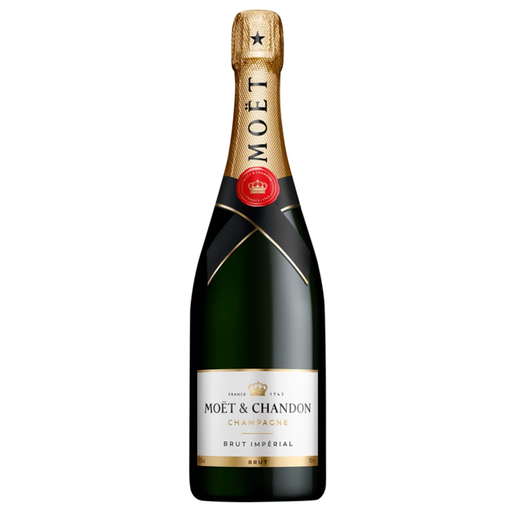
Why this product fits the profile: The classic 0.75-l bottle in Brut style is suitable for buyers looking for a versatile Champagne for aperitifs and festive gatherings.
The product details state the bottle size, alcohol content and Brut style, so the purchase isn't based solely on the brand name.
Brut style, 0.75 l content, 12.0 % ABV and listed as a gift item.
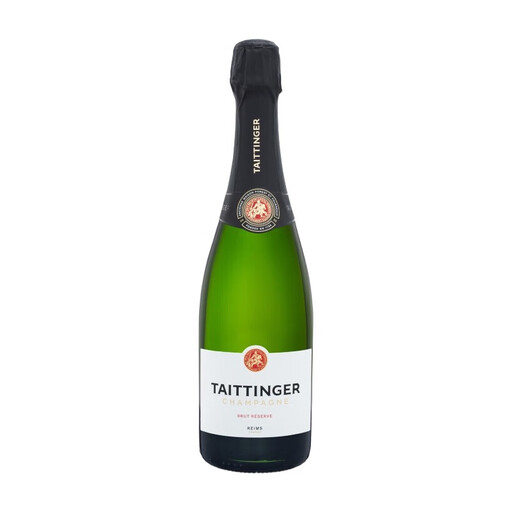
Why this product fits the profile: The stated cuvée of Chardonnay, Pinot Noir and Pinot Meunier, along with several years of bottle ageing, provides concrete data for discerning buyers to compare.
The selection can be evaluated based on grape varieties, ageing time, 12.5 % ABV and declared sulphites, rather than just the packaging.
40 % Chardonnay, 40 % Pinot Noir, 20 % Pinot Meunier; serving temperature stated as 6–8 °C.
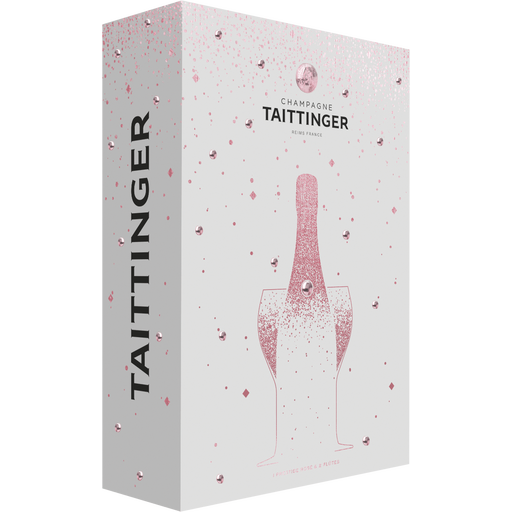
Why this product fits the profile: The Rosé bottling is ideal for buyers looking for a more colourful and aromatically fruity option for dessert, fish or a special occasion.
The product page clearly states the Rosé style, 0.75 l content and the delivery contents including two Lehmann Champagne glasses.
Rosé cuvée, 12.5 % ABV, natural cork and gift set with two glasses.
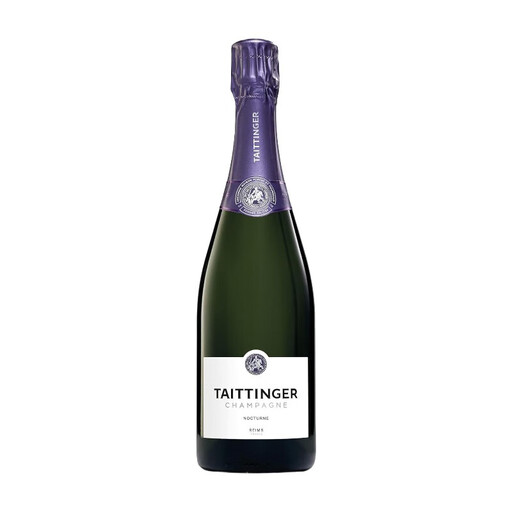
Why this product fits the profile: The Sec style is aimed at buyers who deliberately choose a sweeter style for poultry, aperitifs or creamy desserts.
The Sec designation makes the sweetness level clear. Additionally, the grape varieties, aroma profile, alcohol content and serving temperature are listed.
Sec style, 60 % Pinot Noir and Pinot Meunier, 40 % Chardonnay and 12.5 % ABV.
We've put together a complete, regularly updated list of products that fully meet these strict selection criteria and the safety regulations in force in the EU.
With a suitable Champagne stopper, the fizz can be preserved for longer. Depending on the bottling, the specific product recommendations usually advise consuming it within one to three days. The bottle should be kept in the fridge.
Brut Champagne is versatile as an aperitif and with fish or seafood. Rosé Champagne can pair well with salmon, fruity desserts or certain salads. For sweet dishes, Demi-Sec or Sec may also be suitable, depending on the recipe. The exact combination depends on the sweetness, acidity and seasoning of the dish.
Alongside the occasion, the 0.75 l bottle content, delivery contents, gift box, style and allergens are important. A set with glasses can be ideal for direct gift delivery. For all alcoholic products, the recipient must be of legal age; for this article, purchases are intended for adults aged 18 and over only.