
Lieferung heute & morgen

Qualitätsgarantie

Willkommens-Angebote freischalten: KOSTENLOSE Lieferung | Bis zu 80 % RABATT | Kostenlose 30-Tage-JoyPlus-Testphase
App herunterladen
If you’re looking to buy Champagne, you’ll find a huge selection of brands, cuvées and flavour profiles online. But there are clear differences between Brut, Extra Brut, Demi-Sec and Rosé. And not every French sparkling wine is automatically Champagne: the protected name is tied to the Champagne region and specific production methods.
To make sure your choice for an aperitif, a festive meal or Champagne as a gift isn’t a mistake, it’s worth looking at the objective product details rather than flashy packaging or generic marketing claims.
The terms on the label mainly describe the sugar content, not necessarily the quality of the product:
If you prefer dry wines, a Demi-Sec could disappoint you. On the other hand, a very dry Extra Brut can taste harsh alongside a dessert. So, decide on the occasion before you buy.
Champagne comes from the Champagne region in France. Buying Crémant, buying Cava or buying Sekt can be a sensible alternative, but it means a different origin and product category:
These products can be made using traditional methods, but they cannot be called Champagne. So, always check the product name, country of origin and region in the product details.
A standard 0.75 l bottle of Champagne holds roughly six to eight small glasses, depending on how much you pour. For a private aperitif, a single bottle is usually enough. For a larger party, 6-packs of Sekt, Cava or sparkling wine can be more practical.
Important: with multi-packs, don’t just look at the total price. Compare the price per 0.75 l bottle and check whether the item is actually Champagne or another type of sparkling wine.
For a classic reception or as an accompaniment to fish and seafood, Brut is often a reliable choice. Extra Brut works well with dishes where you want a very dry, fresh character. Rosé Champagne can be paired with red berry flavours, poultry or light starters. Demi-Sec Champagne is better suited to sweeter dishes, fruity desserts or guests who prefer a softer taste.
Champagne is often made from a blend of Chardonnay, Pinot Noir and Pinot Meunier. The proportion of each influences the style:
A product with a high proportion of Chardonnay can taste quite different from a cuvée dominated by red grape varieties. The information on the product page is a useful guide, but it doesn’t replace your own taste experience.
Many of the products listed here have an alcohol content of around 12 to 12.5 % vol. They also contain sulphites according to the product information, which may be relevant for sensitive individuals. Always check the ingredients and allergen information before buying.
Unopened bottles are best stored in a cool, dark place away from light. Once opened, we recommend using a suitable sparkling wine or Champagne stopper and keeping the bottle in the fridge. For the best sensory quality, drink the opened bottle within a short time.
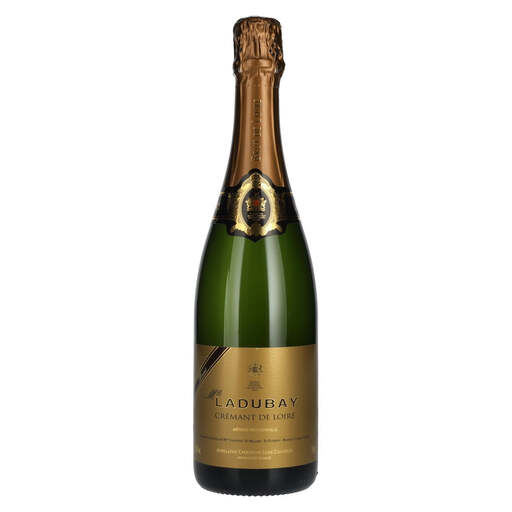
Why this product fits the profile: This Crémant offers a French alternative for buyers looking for traditional bottle fermentation and a 0.75 l bottle, without having to choose Champagne specifically.
The name Crémant de Loire makes the origin clear and prevents any confusion between a French sparkling wine and Champagne.
0.75 l content, Brut style and a recommended serving temperature of 8–10 °C.
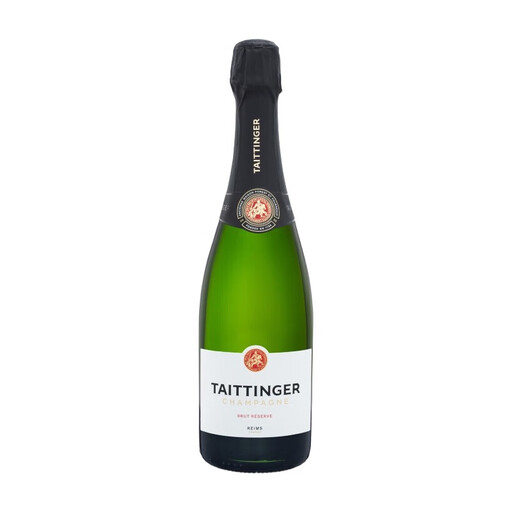
Why this product fits the profile: According to the product details, this cuvée blends 40 % Chardonnay, 40 % Pinot Noir and 20 % Pinot Meunier, making it ideal for classic occasions and food pairing.
The grape varieties, region, alcohol content and recommended serving temperature are all clearly stated, making an objective comparison much easier.
Champagne origin, 0.75 l content and a Brut profile perfect for aperitifs, fish and light dishes.
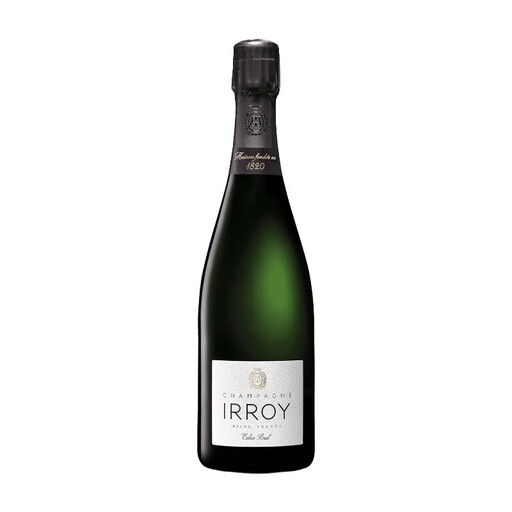
Why this product fits the profile: Extra Brut is a great option for experienced connoisseurs who prefer a very dry style with seafood, grilled fish or aged cheese.
The clear “Extra Brut” label reduces the risk of accidentally ordering a sweeter cuvée for a dry occasion.
At least 30 months of bottle ageing according to the product description, plus 0.75 l content.
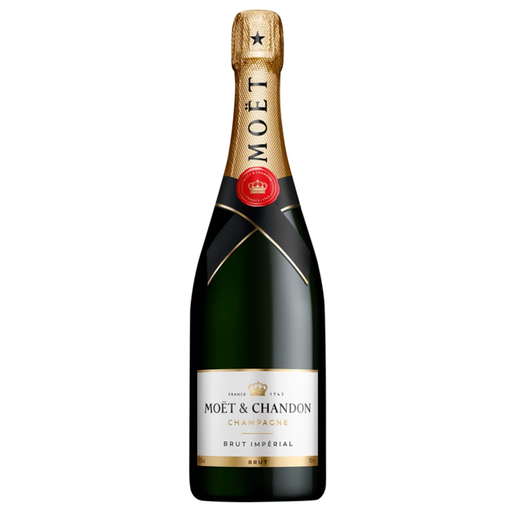
Why this product fits the profile: The 0.75 l bottle is ideal for festive occasions and as a classic gift. The product details state Brut, 12 % vol. and a recommended serving temperature of 8–10 °C.
Origin, product type and storage advice are all provided, so the choice isn’t based solely on brand recognition.
French Champagne origin, Brut style and a single bottle suitable for gifting.
We’ve put together a full, regularly updated list of products that meet these strict selection criteria and fully comply with EU safety regulations.
Champagne and other sparkling wines are usually served well chilled. Depending on the product, recommendations often fall between 6 and 10 °C. A bottle that’s too warm can taste more alcoholic, while excessive chilling can make the aromas seem less pronounced.
Brut often pairs well with fish, seafood, sushi, poultry and light starters. Rosé can be combined with poultry or fruity elements. Demi-Sec is a possible choice for desserts. With a high-quality sparkling wine, it’s not just the occasion that matters, but also the specific menu.
The price depends on factors such as brand, cuvée, ageing time, origin and packaging. A 0.75 l bottle from Taittinger, Moët & Chandon or another Champagne brand should be compared based on product type, sweetness level and content. The brand name alone doesn’t tell you whether the style suits your planned occasion.
With a suitable stopper and kept in the fridge, opened Champagne usually remains drinkable for a short time. The specific product details often recommend consuming it within one to two days. Without a stopper, the sparkling wine loses its fizz more quickly.
A single 0.75 l bottle of Brut Champagne is generally suitable for festive occasions, provided the recipient consumes alcoholic drinks. Before buying, check the packaging, delivery conditions, alcohol content and allergen information. Alcohol is intended only for people of legal drinking age and should be consumed responsibly. Pregnancy is a reason to avoid alcoholic drinks.