
Lieferung heute & morgen

Qualitätsgarantie

Willkommens-Angebote freischalten: KOSTENLOSE Lieferung | Bis zu 80 % RABATT | Kostenlose 30-Tage-JoyPlus-Testphase
App herunterladen
If you're looking to buy Champagne and sparkling wine online, you'll find a huge selection of bottle sizes, appellations, flavour profiles and multi-packs. But the differences go far beyond price or label. Grape varieties, production methods, sweetness levels and the occasion all determine whether a bottle suits your planned menu, celebration or gift.
This guide explains what adults in the UK should look for when buying Champagne online, buying sparkling wine, and searching for Prosecco and Crémant.
The term Brut describes the sweetness level, not necessarily the overall flavour profile. A Brut sparkling wine can taste soft and approachable thanks to ripe fruit aromas. Extra Brut generally has a lower residual sugar content than Brut and can come across as drier and more taut.
If you prefer particularly dry wines, don't just search for "Brut Champagne" – also look for the specific designation such as Extra Brut and, where stated, the residual sugar level.
Champagne can only come from the French Champagne region. A French Champagne is traditionally fermented in the bottle and aged there. Crémant also comes from specific French regions, such as the Loire or Alsace, but it is not Champagne.
German Sekt, Italian sparkling wine and Prosecco each follow their own rules of origin and production. Prosecco is made predominantly from the Glera grape and comes from Italy. Checking the region of origin, grape variety and designation helps you avoid comparing different categories based on the bottle's appearance alone.
A 6-pack of Sekt or a bulk Prosecco pack can be ideal for parties, catering or regular entertaining. For a single dinner or a Champagne gift, a 0.75-litre Champagne bottle with gift packaging is often more practical. Before buying, consider your storage space, how quickly you'll drink it, and the number of guests.
The three classic Champagne grape varieties are Chardonnay, Pinot Noir and Pinot Meunier. Chardonnay is often associated with fresh citrus and floral notes, while Pinot Noir and Pinot Meunier can add more body and fruit. However, the exact style always depends on the cuvée, ageing time and the individual producer.
For Sekt and Crémant, the grape variety is also helpful. Riesling can contribute fruity, fresh notes. Chardonnay often comes across as clean and citrus-driven. Crémant d'Alsace may use Pinot Blanc, Pinot Gris, Riesling and Auxerrois, among others.
As a practical guide:
If you're looking for a wine to pair with oysters, sushi or grilled fish, a fresh Brut or Extra Brut is a good choice. For fruity desserts or mild dishes, a more aromatic style may work better.
The standard single size is 0.75 l. Many of the products listed here are around 11 to 12.5% ABV. Always check the specific label for exact details. Sparkling wine should be stored unopened in a cool, dry place away from direct light. Once opened, use a suitable sparkling wine or Champagne stopper and keep it chilled. Depending on the product, the bottle should be consumed within one to three days.
All alcoholic drinks mentioned contain sulphites or sulphur dioxide as mandatory allergens. Alcohol is intended for adults only. In the UK, the minimum age for purchasing and consuming these products is 18. Alcohol should be avoided during pregnancy.
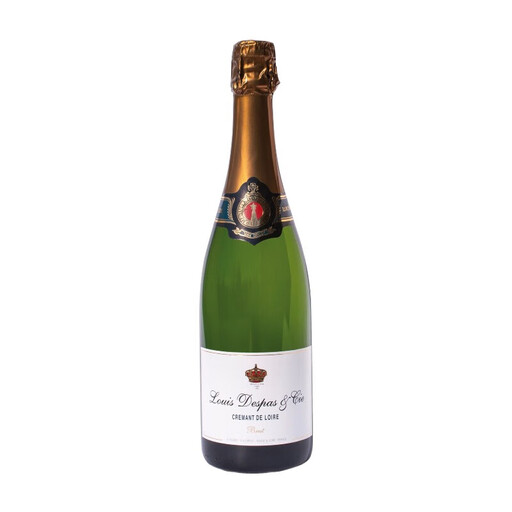
Why this product fits the profile: This French Crémant offers a dry, fresh option for aperitifs, light dishes and smaller celebrations, without being mistaken for Champagne.
The clear designation Crémant de Loire and the Brut label make it easy to identify the origin and sweetness level.
0.75-litre bottle, approximately 10 g/l residual sugar according to the product information, and a recommended serving temperature of around 10 °C.
Why this product fits the profile: This classic cuvée of Chardonnay, Pinot Noir and Pinot Meunier is designed for festive aperitifs as well as fish, seafood and sushi.
The Champagne origin, grape varieties, 36 months on the lees and 12.5% ABV are all clearly stated, enabling an informed choice.
0.75 l, gift box, serving temperature of 6–10 °C and a fresh profile with citrus and floral notes according to the product information.
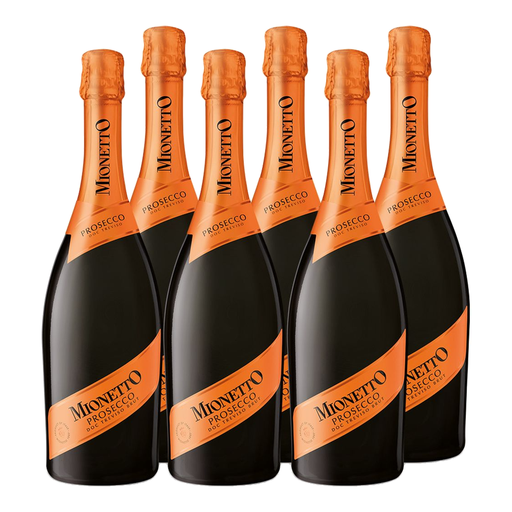
Why this product fits the profile: The six-pack is ideal for hosts, regular aperitifs and larger gatherings. Its fruity style also works well with antipasti, fish and risotto.
The pack size is clearly stated as 6 × 0.75 l; the Italian origin, Glera grape variety and 11% ABV are also listed.
6 bottles, 6–8 °C serving temperature and aromas of apple and pear according to the product information.
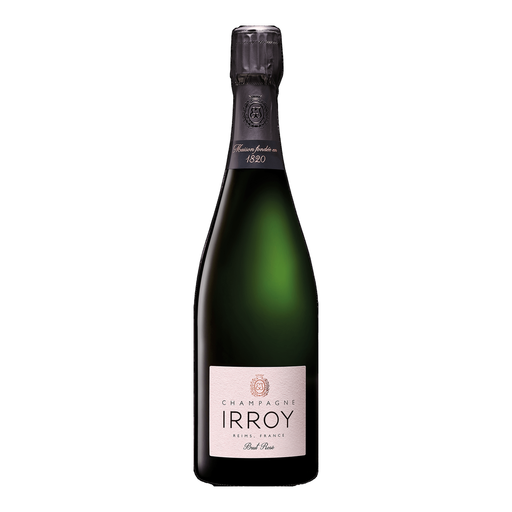
Why this product fits the profile: This Rosé Champagne is aimed at buyers looking for a fruit-forward option for celebrations, aperitifs or a prestigious gift.
The cuvée is described as 80% red grapes and 20% Chardonnay, so the colour is not the only selection criterion.
0.75 l, 12.5% ABV, 10.7 g/l residual sugar according to the product information, and aromas of red fruits and brioche.
We've put together a full, regularly updated list of products that meet these strict selection criteria and all applicable EU safety regulations.
With a suitable stopper, opened Champagne or sparkling wine can usually be kept chilled for one to three days. Always follow the manufacturer's specific recommendation on the label or product page. Without a closure, the wine will lose its fizz and freshness more quickly.
Many Brut Champagnes and Proseccos are served at 6–8 °C. Some Champagnes are recommended at 6–10 °C. Crémant may be best at around 8–10 °C, depending on the product. Over-chilling can suppress aromas, while a bottle that's too warm often tastes less fresh.
Not necessarily. What matters is the price per 0.75-litre bottle, your actual needs and your storage conditions. For a party or regular use, a multi-pack can be practical. If you only need one bottle for a meal or a Champagne gift, a single bottle is usually a more straightforward choice.