
Lieferung heute & morgen

Qualitätsgarantie

Willkommens-Angebote freischalten: KOSTENLOSE Lieferung | Bis zu 80 % RABATT | Kostenlose 30-Tage-JoyPlus-Testphase
App herunterladen
Finding the right Chardonnay can be a challenge. This grape variety is grown worldwide, showcasing an impressive stylistic diversity depending on its origin, climate, and winemaking method. From a fresh, mineral-driven dry Chardonnay from Germany to a buttery, barrique-aged wine from France, the selection is vast. This article serves as a guide to make your decision easier and help you find a Chardonnay wine that perfectly matches your taste.
To make the right choice, a few basic criteria are helpful. The following points provide an overview of the most important aspects that shape a Chardonnay's character.
The region of origin has a decisive influence on the flavour profile.
The vinification method significantly shapes the wine's style.
The market increasingly offers specialised options. An alcohol-free Chardonnay is an excellent alternative for anyone who wishes to avoid alcohol without missing out on the taste of wine. Through gentle processes, the alcohol is removed from the wine while the fruit aromas are preserved. Furthermore, more and more vintners are focusing on purely plant-based production, making it easy to find a vegan wine. In the fining and stabilisation process, animal-based products like gelatine or egg whites are avoided.
Here, we present three different types of Chardonnay that illustrate the diversity of this grape variety.
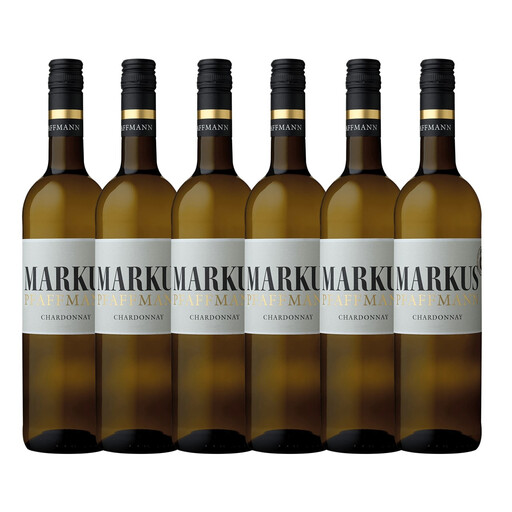
What makes it special This German Chardonnay from the Palatinate region, by the Markus Pfaffmann winery, is a prime example of a fruit-forward and characterful white wine. It is vinified as vegan and matured in stainless steel tanks, which brings its fresh, exotic aromas to the forefront. The winery has also been a member of Fair’n Green since 2015, underscoring a responsible approach to the environment and society.
Characteristics
Who is it for? This wine is a great choice for lovers of dry, fruity white wines. Its exotic notes pair well with creamy or spicy dishes, and it is ideal for anyone seeking an approachable yet expressive vegan wine.
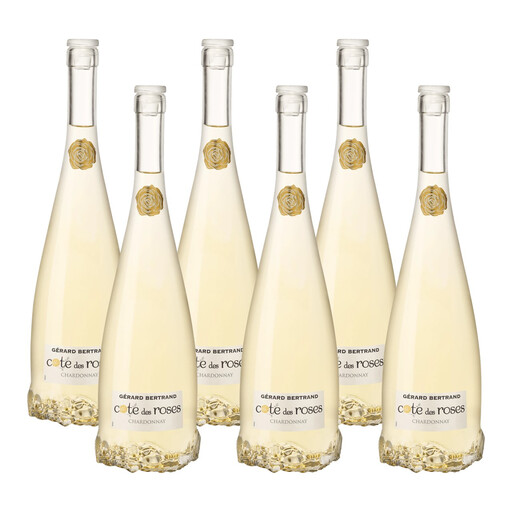
What makes it special This French Chardonnay comes from the renowned winemaker Gérard Bertrand in Languedoc, who is known for his biodynamic viticulture. According to the producer, the winery was awarded the "Green Emblem" by Robert Parker for its commitment to sustainability. The wine is partially aged in barrique, which gives it a fine structure and complexity.
Characteristics
Who is it for? This wine is aimed at connoisseurs who appreciate an elegant French Chardonnay with sustainable credentials. Its complexity makes it a fitting companion for sophisticated dishes, but it is also a wine that can be enjoyed on its own.
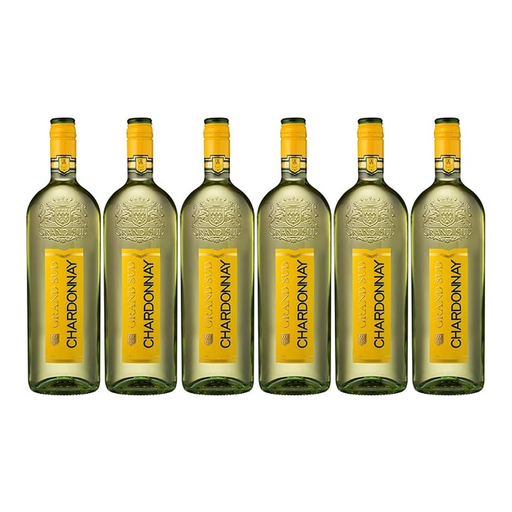
What makes it special The Grand Sud Chardonnay Zero is a de-alcoholised wine that offers a fruity and approachable alternative. With 0.0% ABV, the aromas of acacia, pineapple, and other exotic fruits take centre stage. The taste is defined by a fresh acidity, without the bitter note often present in alcoholic wines.
Characteristics
Who is it for? This beverage is ideal for anyone consciously avoiding alcohol, whether for health reasons or as a designated driver. It serves as an alternative to alcoholic drinks at social gatherings and pairs well with dishes like porcini mushroom risotto or roasted pumpkin.
Our selection offers a first glimpse into the world of Chardonnay. If you wish to explore other styles or compare different wines, you will find a broader range in our assortment. Whether you are looking for a white wine case for tasting or a very specific vintage, there is still much to discover.
Discover our entire range of Chardonnay wines here
Chardonnay is one of the most adaptable grape varieties in the world. It is often called the "winemaker's canvas" because, unlike almost any other grape, it reflects the soil (terroir) and the cellarmaster's techniques. This versatility allows for an enormous stylistic range, from light and mineral-driven to powerful and creamy.
A dry Chardonnay is characterised by a low residual sugar content. In terms of taste, this does not necessarily mean it is sour. Depending on its origin and maturation, it can taste fresh and citrusy (cool climate, stainless steel) or full-bodied with notes of yellow fruits and mild acidity (warm climate, oak ageing). The term "dry" primarily refers to the absence of sweetness on the finish.
Chardonnay's versatility makes it an excellent food companion.