
Lieferung heute & morgen

Qualitätsgarantie

Willkommens-Angebote freischalten: KOSTENLOSE Lieferung | Bis zu 80 % RABATT | Kostenlose 30-Tage-JoyPlus-Testphase
App herunterladen
By Joybuy Product Recommendation Officer, August 28, 2026
Chinese cuisine is becoming increasingly popular in the West. More and more home cooks want to prepare authentic dishes like Mapo Tofu, Kung Pao Chicken, or a spicy hot pot at home. But when it comes to buying the necessary Chinese spices, many face an overwhelming selection. This often leads to disappointing purchases that spoil the cooking experience and fail to deliver the desired flavors.
As your Product Recommendation Officer at Joybuy, I'm here to filter the essential information for you, so you can find the right products with confidence. In this guide, I'll show you the most common pitfalls and what to look for when making your selection.
Before diving into the world of aromas, it's helpful to know the typical hurdles that often lead to disappointment.
To avoid these pitfalls, you should check three key aspects before buying. These will help you objectively assess a product's quality and suitability.
Not every spice product is suitable for every purpose. Be clear about what you want to prepare:
Chinese cuisine can be roughly divided into different regional styles that vary greatly in taste. The two most famous for their spicy dishes are:
Look for information on the packaging about the regional origin to ensure the spice matches the desired dish.
A clear and short ingredient list is often a sign of quality. For a chili paste, chili should be high on the list. For a soy sauce, soybeans, wheat, water, and salt are the main components. Established brands like Lee Kum Kee or Totole Bouillon are often a reliable choice, as they are known for consistent formulas.
To make your decision easier, we have selected a few products based on different user profiles and the criteria mentioned above.

Why This Fits Their Persona: Ideal for anyone wanting to make an authentic Sichuan hot pot or a Mala stir-fry for the first time. The paste delivers the complex Mala flavor without needing to buy and mix dozens of individual spices.
Solves the "authenticity" trap by providing a specific, ready-to-use solution for the complex Mala profile. The ingredient list clearly identifies key components like Sichuan pepper (1.8%) and broad bean paste.
Authentic Sichuan flavor from a well-known brand. Versatile for hot pot, soups, or stir-fries.
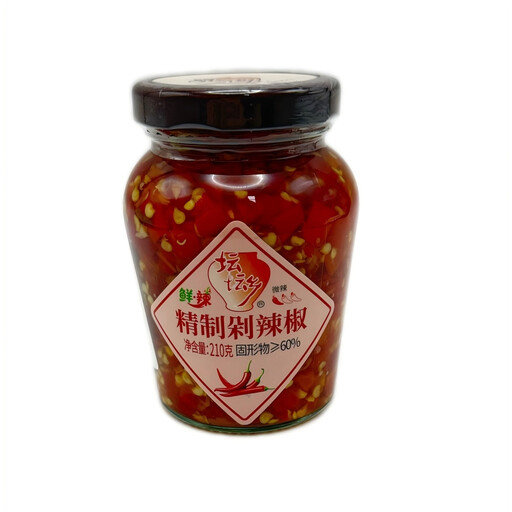
Why This Fits Their Persona: Perfect for cooks seeking the specific, salty-spicy flavor of Hunan cuisine. This product is not an all-purpose chili oil but a fermented chili paste (Duo Jiao), ideal for dishes like steamed fish with chopped chilis.
Bypasses the "authenticity" trap by clearly positioning itself as a Hunan specialty. The ingredient list is transparent, naming 75% fresh chili as the main component, which avoids the misleading ingredient trap.
Made according to a traditional Hunan process. Ready to use as a spicy topping for rice and noodles or as a cooking ingredient.
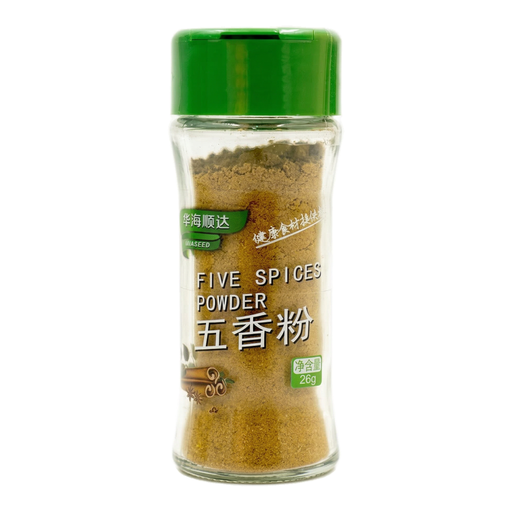
Why This Fits Their Persona: This five-spice powder is a cornerstone of Chinese cuisine and extremely versatile. It's suitable for marinades, braised dishes (e.g., red-braised pork), soups, and as a rub for grilled meats. A must-have for any well-stocked spice collection.
Avoids the ingredient trap with a pure formula: It consists exclusively of the five classic spices (star anise, cinnamon, dried tangerine peel, Sichuan pepper, dried ginger) without salt, sugar, or fillers.
Pure spice blend for full flavor control. Versatile for a wide range of Chinese dishes.
We've compiled a complete, up-to-date list of products that meet these strict selection criteria.
1. What is the difference between light and dark soy sauce? Light soy sauce (生抽, sheng chou) is thinner, saltier, and primarily used for seasoning dishes like stir-fries, soups, or as a dipping sauce. Dark soy sauce (老抽, lao chou) is thicker, less salty, but more intense in color, and often has a slightly sweet note from added molasses. It is primarily used to color braised dishes and meats, giving them an appetizing, dark hue.
2. How do I properly store Chinese spices and sauces? Dry spices like Sichuan pepper or five-spice powder should be stored in an airtight container in a cool, dry, and dark place to protect their aroma. Opened liquid seasonings like soy sauces, chili oils, or pastes should be kept in the refrigerator to maintain their freshness and quality.
3. What exactly does "Mala" mean and how do I use Sichuan pepper? "Mala" (麻辣) describes the characteristic flavor profile of Sichuan cuisine. It is composed of "má" (麻), the numbing, tingling sensation from Sichuan pepper, and "là" (辣), the fiery heat from chilis. To maximize the aroma of Sichuan peppercorns, you can briefly toast them in a dry pan until fragrant before use, and then grind them.