
Lieferung heute & morgen

Qualitätsgarantie

Willkommens-Angebote freischalten: KOSTENLOSE Lieferung | Bis zu 80 % RABATT | Kostenlose 30-Tage-JoyPlus-Testphase
App herunterladen
The selection of coconut milk on the supermarket shelf can be overwhelming. Between varying fat contents, packaging, and ingredient lists, finding the right product for your intended dish is a challenge. The wrong choice often leads to disappointing culinary results, like a watery curry or a soup that lacks that desired creaminess. This guide will help you navigate the common pitfalls and make an informed decision.
A common issue is unclear labelling. Terms like "coconut drink," "light coconut milk," and "coconut cream" are often used interchangeably, despite significant differences in their composition and best use cases. Another problem is unnecessary additives. Many products contain thickeners or emulsifiers that, while ensuring a uniform consistency, can compromise the pure coconut flavour. Finally, fat content is crucial but often overlooked, leading to a lack of richness in the final dish.
To ensure you get the right product for your needs, you should check three key parameters: fat content, the ingredients list, and the packaging type.
Fat content is the most important indicator of the coconut milk's texture and flavour. It determines how creamy and rich your dish will be.
A short, understandable ingredients list is often a sign of a high-quality product. Ideally, coconut milk should consist of just two ingredients: coconut extract and water.
However, many products contain additives:
Products without these additives, as is often the case with organic coconut milk, may separate in the packaging—a solid layer of cream on top and coconut water at the bottom. This is a natural process and not a sign of poor quality. A vigorous shake before opening or stirring the contents will restore its homogeneity.
The choice of packaging depends on your usage habits and storage options.
Here are a few recommendations tailored to different needs and cooking styles.
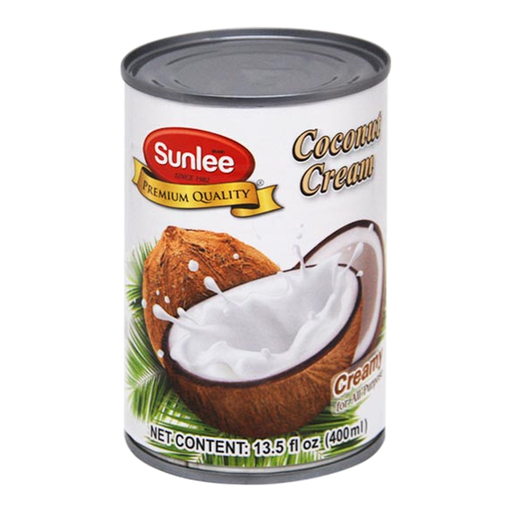
Why This Fits Their Persona: Ideal for home cooks who want to create authentic, rich curries and sauces. The high fat content ensures a luxurious, velvety texture that remains stable even during prolonged cooking. The convenient easy-open lid simplifies handling.
This product avoids the fat-content pitfall by being clearly labelled as coconut cream with 20-22% fat. You're guaranteed to get the richness you expect and avoid a watery result.
High fat content for maximum creaminess; convenient can with an easy-open lid.
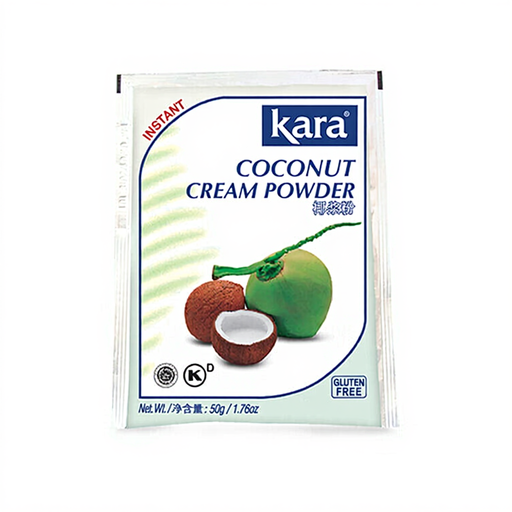
Why This Fits Their Persona: Perfect for those who only use coconut milk occasionally and don't want half-used cans lingering in the fridge. The powder is long-lasting, space-saving, and allows for on-demand preparation in the exact amount and consistency needed.
The powder format solves the problem of ambiguous labelling, as you control the creaminess by adjusting the amount of water. There's no hidden water content and therefore no waste.
Long shelf life, flexible portioning, no waste.
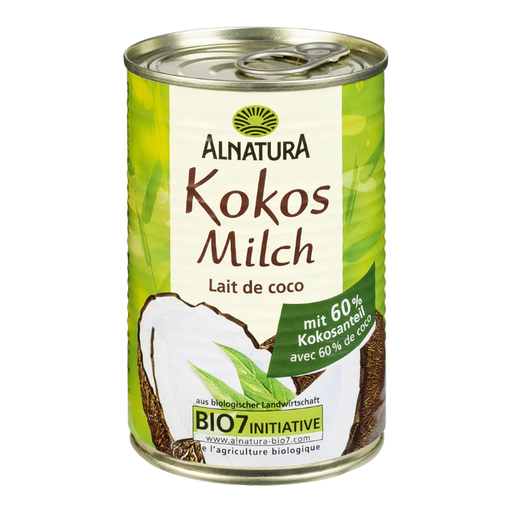
Why This Fits Their Persona: For health-conscious consumers who value organic quality and a pure formula. This product is ideal for anyone seeking the unadulterated taste of coconut without any additives.
This product directly addresses the hidden additives trap. According to the manufacturer, the ingredients list contains only organic coconut and water, with no stabilisers or emulsifiers.
Certified organic; minimalist ingredient list for a pure taste.
We've compiled a complete, up-to-date list of products that fully meet these strict selection criteria.
The main difference lies in the fat content and consistency. Coconut cream has a higher fat content (typically over 20%) and is thicker, while coconut milk has a lower fat content (around 15-19%) and is more liquid. Coconut cream is suited for rich dishes, whereas coconut milk is a versatile all-rounder.
The separation into a solid, creamy layer on top and liquid coconut water below is a natural process, especially in products without stabilisers. It's a sign that no artificial emulsifiers were used. To restore a smooth consistency, simply shake the can vigorously before opening or stir the contents together in a bowl.
Technically yes, but the results will vary dramatically. For a creamy curry or a rich soup, a coconut milk with at least 17% fat or a coconut cream is recommended. Lighter, low-fat versions will make the dish watery and are better suited for drinks or cereal.