
Lieferung heute & morgen

Qualitätsgarantie

Willkommens-Angebote freischalten: KOSTENLOSE Lieferung | Bis zu 80 % RABATT | Kostenlose 30-Tage-JoyPlus-Testphase
App herunterladen
Coconut milk is a staple in many kitchens because it makes curries, soups, desserts, drinks and sauces creamier. However, the brand name is not the only factor to consider when shopping. Differences in coconut extract, fat content, pack size and additives can have a noticeable impact on flavour, consistency and practical use.
When buying coconut milk in a tin or carton, you should also consider how much you plan to use. Once opened, a 400-ml tin is often less practical for a small household than a 165-ml portion. For cafés, catering businesses and frequent users, a 1-litre pack may be more economical.
Coconut milk is usually more liquid and works well as a base for soups, curries and drinks. Coconut cream often contains more coconut extract and fat. This makes it thicker, and it is a popular choice for desserts, sauces and particularly creamy dishes.
The names used in shops are not always consistent. That is why it is worth checking the ingredients list and nutritional information. A fat content of around 18 to 22 grams per 100 millilitres generally indicates a rich, thicker option. Products with significantly less fat are usually lighter and more runny.
‘Creamy’ and ‘tropical flavour’ are descriptive marketing phrases, not consistent quality standards. The declared proportion of coconut extract is more informative. Depending on the product, this may be 52, 60, 70, 75 or 80 per cent, for example.
The ingredients list is also important. Water, thickeners, stabilisers and emulsifiers can affect the consistency. This is not necessarily a disadvantage, but the product should suit your preferences and the recipe you have in mind.
Coconut milk 400 ml is practical for several portions of curry or soup. For a single drink, sauce or dessert, 165 ml or 200 ml may be enough. Once opened, the product must be refrigerated and, depending on the manufacturer’s instructions, used within two to seven days.
1-litre packs are worth considering for regular kitchen or catering use. If you only cook Asian food occasionally, smaller packs help you avoid unnecessary leftovers.
For coconut milk used in cooking and coconut milk for curry, two details are particularly useful:
A higher fat content does not automatically mean that the product is better for every recipe. For light soups or drinks, a less concentrated option may be more suitable.
Vegan coconut milk often consists of coconut extract and water. Some products also contain ingredients such as guar gum, xanthan gum, carrageenan or emulsifiers. These ingredients stabilise the mixture and can reduce separation.
Powdered products require particular attention. According to the product information, KARA Coconut Cream Powder 50g contains sodium caseinate and therefore milk protein. It is not automatically suitable for a vegan diet. The ingredients list on the relevant packaging remains decisive, particularly in the case of allergies or intolerances.
Unopened tins and aseptic cartons can generally be stored at room temperature. The pack should be shaken before use. Natural thickening at low temperatures is possible; gently warming the product in a bain-marie can make the consistency liquid again.
Once opened, coconut milk should not be left in the tin. It is better to transfer it to a clean, sealable container and store it in the fridge. The specific time limit for use depends on the manufacturer’s instructions.
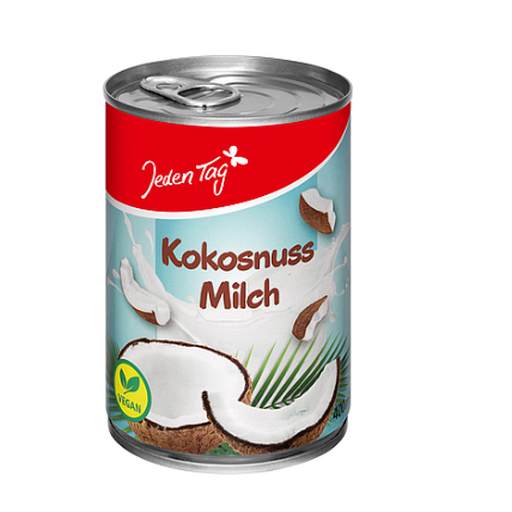
Why this product suits this profile: The 400-ml tin covers typical quantities for curries, soups or desserts. It contains a declared 52 per cent coconut extract; the product is described as organic and free from the 14 major allergens.
The ingredients and nutritional information make the coconut content and fat content easy to verify, rather than relying solely on claims about creaminess.
400 ml contents, organic certification claim and 17 g of fat per 100 ml according to the product information.
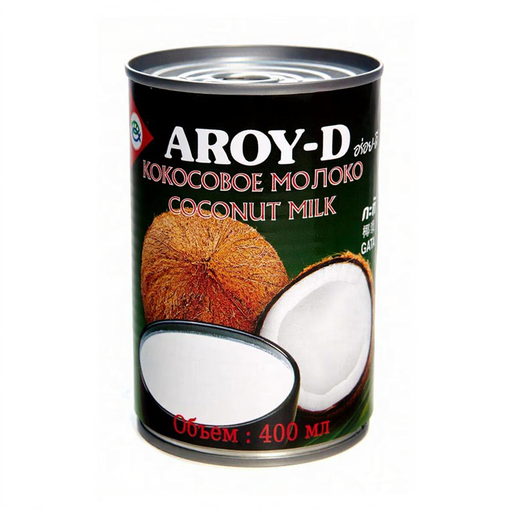
Why this product suits this profile: The stated fat content of 19 per cent and 70 per cent coconut extract provide clear points of comparison for creamy Thai curries, sauces and desserts.
The relevant product details are stated directly. According to the description, no gums or thickeners are used; E435 is listed as an emulsifier.
19 g of fat and 70 per cent coconut extract according to the product information; 400 ml contents for several portions.
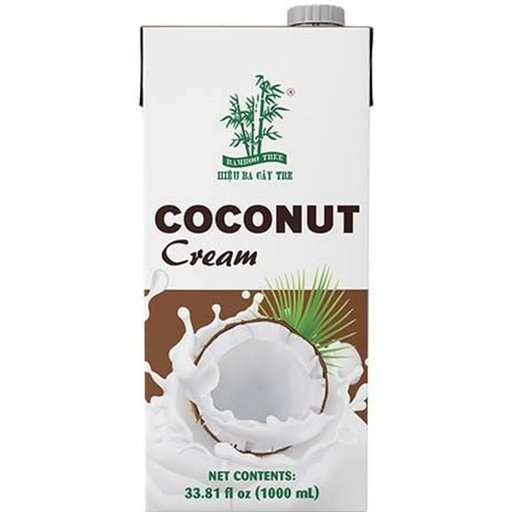
Why this product suits this profile: The 1-litre pack is aimed at catering businesses, cafés and households that regularly use coconut cream for curries, desserts, drinks or sauces.
The large pack reduces the need to reorder frequently. Before buying, you should consider your expected consumption and the recommended period for use after opening.
22.5 g of fat per 100 ml and 96 per cent coconut extract according to the product information.
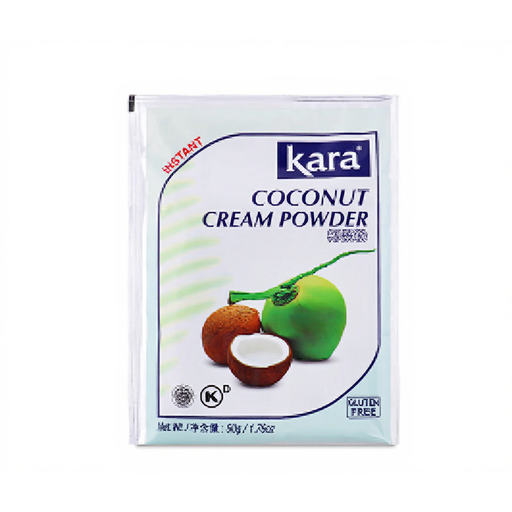
Why this product suits this profile: Twelve sachets, each containing 50 g, allow for precise portioning and space-saving storage. According to the description, the powder is mixed with hot water to make coconut cream.
You can measure out portions without having to store an opened tin for several days. The ingredients and allergen information should be checked before use.
12 × 50 g, dry storage and preparation with hot water according to the product description.
We have put together a complete, regularly updated list of products that fully meet these strict selection criteria and the safety regulations applicable in the EU.
For a curry, coconut milk is usually added directly to the sauce and then heated over a moderate temperature. Prolonged, vigorous boiling can cause some products to curdle. Coconut cream can be diluted with water if a more liquid consistency is required.
With coconut milk in a tin, the solid coconut content may settle at the top. The tin should be shaken before opening. If the contents have solidified because of the cold, warming them in a bain-marie at a low temperature can help. Damaged, bulging or rusty tins should not be used.
This depends on the product. The product information available generally states two to three days, while some coconut creams can be kept for up to seven days. Once opened, coconut milk should be transferred to a sealable container and refrigerated. The information on the packaging takes precedence.
No. Many liquid products consist solely of coconut extract and water and are described as vegan. However, coconut milk powder may contain milk ingredients such as sodium caseinate. The ingredients list and allergen labelling should therefore be checked before buying.
For a creamy curry, products with a fat content of around 18 to 22 per cent may be a suitable choice. If you prefer a lighter sauce, you can use coconut milk with a lower fat content or dilute coconut cream with water. The coconut content, desired consistency and quantity required are also important.