
Same-day & Next-day Delivery

Quality Guaranteed

Unlock Your Welcome Offers: FREE Delivery | Up to 80% OFF | Free 30-day JoyPlus trial
Download the APP
From creamy coconut milk for an authentic curry to fine coconut flour for vegan baked goods, the variety of coconut products is immense. However, shopping for them comes with hidden pitfalls that often lead to kitchen disappointments. Excessive sugar content, the wrong fat percentage, or unclear product labels can easily spoil your cooking or baking experience.
This guide will help you navigate the most common mistakes. We'll show you the key features to look for so you can confidently choose the right coconut product for your needs—whether it's for Asian cooking, a tropical coconut dessert, or a refreshing coconut drink.
Many shoppers grab the wrong product off the shelf because crucial differences aren't immediately obvious. Pay attention to these three points to make an informed decision:
To ensure you find the perfect product for your kitchen, you should check two or three core parameters. These will give you a reliable framework for your decision.
The fat content is the primary factor determining a coconut product's creaminess and its ideal use. The product name is a good first indicator:
A short, simple ingredients list is often a mark of quality. Ideally, a good coconut milk should contain only coconut extract and water.
Besides the liquid varieties, coconut products also come in solid forms, each offering specific advantages:
Here are some recommendations from our range, tailored to specific needs.
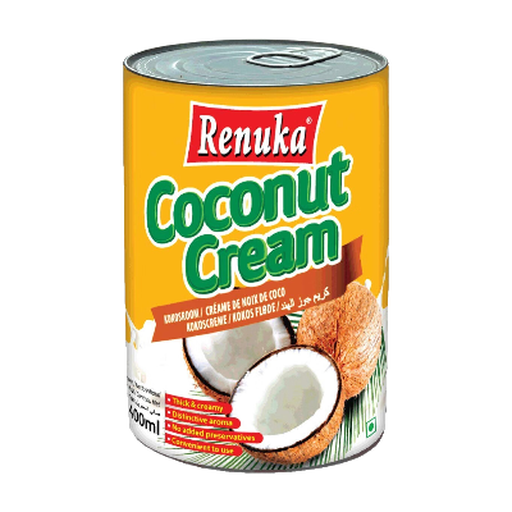
Why This Fits Their Persona: Anyone who wants to cook a rich, creamy curry like those found in Southeast Asia needs a base with a high fat content. This coconut cream delivers the necessary consistency and full-bodied flavour.
This product avoids the pitfall of the wrong fat content. With 22% fat and the clear "Coconut Cream" label, it is unambiguously positioned for rich dishes and delivers the expected result.
According to the manufacturer, it consists of 80% coconut extract, which ensures an intense, natural flavour. Its thick consistency is ideal for sauces that you don't want to turn out watery.
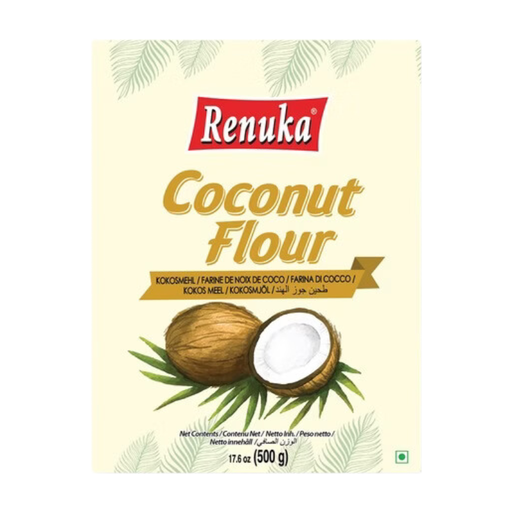
Why This Fits Their Persona: Ideal for anyone looking for gluten-free or low-carb alternatives. This coconut flour is a versatile ingredient for cakes, bread, or pancakes, lending a slightly sweet note and moist texture to baked goods.
This product is made of 100% coconut flour. There are no hidden additives or sugars, which avoids the first pitfall. The label is clear and targets users with a specific need.
According to the nutritional information, it is very high in fibre, with 30g of fibre per 100g. It is also a good source of protein (20g per 100g) for vegan foods.
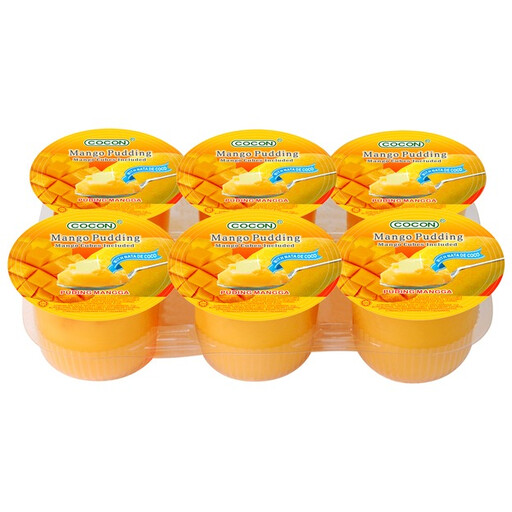
Why This Fits Their Persona: A ready-to-eat coconut dessert that satisfies the craving for a quick, easy, and tropical treat. The combination of mango and coconut is a favourite with all ages.
This product is clearly labelled as a dessert. The user expects a sweet treat, which sidesteps the "hidden sugar" pitfall. It directly meets the expectations for a snack.
The combination of 17% coconut gel (Nata de Coco) and 5% mango purée creates an interesting texture and a fruity flavour. It is ready to eat and conveniently portioned.
We have compiled a complete, up-to-date list of products that fully meet our strict selection criteria.
1. What is the difference between coconut milk, coconut cream, and coconut drink? The main difference lies in their fat content and intended use. Coconut cream (approx. 20–24% fat) is the thickest and ideal for desserts. Coconut milk (approx. 15–19% fat) is the standard for cooking curries. Coconut drink (under 5% fat) is a more watery, ready-to-drink milk alternative and is less suitable for cooking.
2. My canned coconut milk has solidified. Has it gone bad? No, this is a natural process and often a sign that few or no stabilisers have been used. The coconut fat solidifies at temperatures below about 20–25°C (68–77°F). Simply place the closed can in a warm water bath for a few minutes or gently heat the contents in a saucepan. Stirring will make the coconut milk smooth and creamy again.
3. What can I use coconut flour for? Coconut flour is a gluten-free, high-fibre alternative to conventional grain flours. It works well for baking cakes, muffins, bread, or pancakes. Because it is highly absorbent, you will typically need more liquid or eggs in your recipes. It can also be used to thicken sauces or as an ingredient in smoothies and muesli.