
Lieferung heute & morgen

Qualitätsgarantie

Willkommens-Angebote freischalten: KOSTENLOSE Lieferung | Bis zu 80 % RABATT | Kostenlose 30-Tage-JoyPlus-Testphase
App herunterladen
Whole coffee beans offer more flexibility than pre-ground coffee: you can adjust the grind size to suit your machine and brewing method. At the same time, the choice is vast. Terms like "intense", "Italian" or "creamy" alone tell you very little about whether a bean is actually suitable for your needs.
This buying guide will help you compare coffee beans using objective criteria and avoid common mistakes – whether you need coffee for your home, office, or for specific milk-based recipes.
An intensity rating such as 8/10 usually describes the perceived flavour, not automatically the amount of caffeine. The roast level, the bean blend, the dosage and the drink volume all influence the final result too. If you prefer a strong espresso, you shouldn't just look at the intensity number, but also pay attention to the Arabica-Robusta ratio, the roast and the recommended use.
A pronounced crema can be desirable for espresso and bean-to-cup machines. However, it depends on factors including the bean blend, freshness, grind size and machine settings. A thick crema alone, therefore, tells you nothing about how suitable a bean is for filter coffee or milk-based drinks.
1 kg bags of coffee beans can be practical for heavy users and offices. But if the pack is used up slowly and not sealed airtight, the aroma loses its freshness more quickly. For a small household, a 500 g pack can make more sense. What matters is your consumption rate, the packaging and how you store the beans – not just the price per kilogram.
Arabica beans are often associated with finer, fruity or nutty flavours. Robusta beans can contribute a fuller body and a pronounced crema. Arabica-Robusta coffee beans combine both characteristics. For espresso and milk-based drinks, blends with a Robusta content are often chosen for their fuller body; for milder coffee profiles, a higher Arabica content may be more suitable.
Look for specific information about the composition. With a 50:50 blend like the De’Longhi CLASSICO beans, the ratio is clearly stated. The De’Longhi SELEZIONE beans consist of 70% Arabica and 30% Robusta according to the product information.
The roast level influences acidity, bitterness and body:
Espresso beans are not necessarily a separate type of bean. The name usually refers to the roast profile and intended use. For a bean-to-cup machine, you should look for the recommendation "suitable for bean-to-cup machines" and adjust the grinder settings gradually.
Origin information can give you a clue about the expected flavour profile, but it doesn't replace a full taste description. Italian coffee beans often stand for classic espresso blends, while beans roasted in Germany also offer different profiles.
If you are looking for organic coffee beans, look for a valid EU organic control label and the associated inspection body number. General statements like "sustainable" are difficult to assess without specific certification.
With decaffeinated coffee beans, a small residual amount of caffeine is usually possible after the decaffeination process. You should therefore read the product information carefully. The Lavazza Decaffeinated Whole Bean Coffee and the Dallmayr Prodomo Decaf are labelled as decaffeinated varieties.
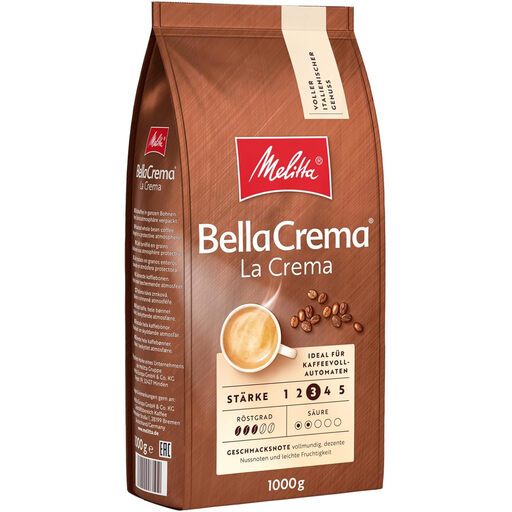
Why this product suits the profile: The medium roast with intensity 3 is designed for a balanced, rather mild coffee experience and is recommended for bean-to-cup machines according to the product information.
The intensity rating and the recommended use make the selection more transparent than a general advertising claim about "strong" coffee.
1 kg pack, medium roast and beans roasted in Germany according to the product description.
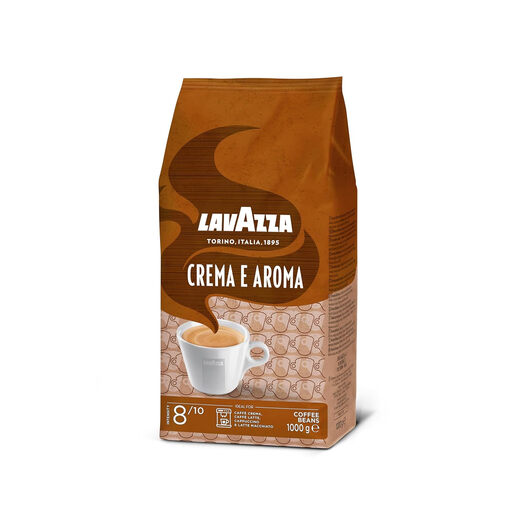
Why this product suits the profile: The blend of Arabica and Robusta, the stated intensity of 8/10 and the chocolate aroma are aimed at users looking for a strong coffee for espresso and bean-to-cup machines.
The composition and roast profile are described in detail; the intensity is not equated with a caffeine content.
100% roasted coffee beans, medium roast and, according to the product information, particularly suitable for bean-to-cup machines.
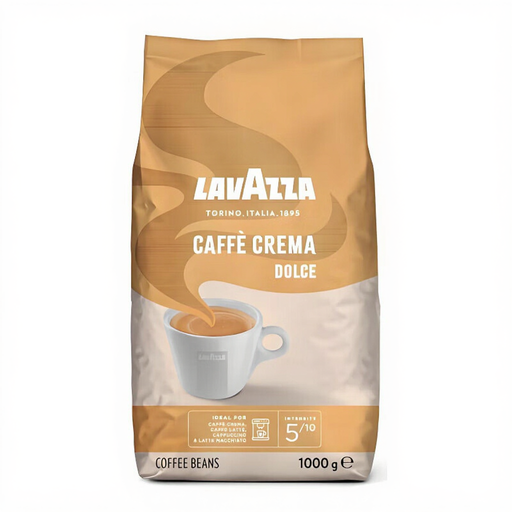
Why this product suits the profile: The medium roast and its described focus on Caffè Crema and milky coffee make it suitable for households and offices with regular consumption.
The stated intended use prevents a strongly espresso-oriented blend from being accidentally chosen for mild everyday coffee.
1 kg content, Arabica-Robusta blend and, according to the product description, suitable for bean-to-cup machines.
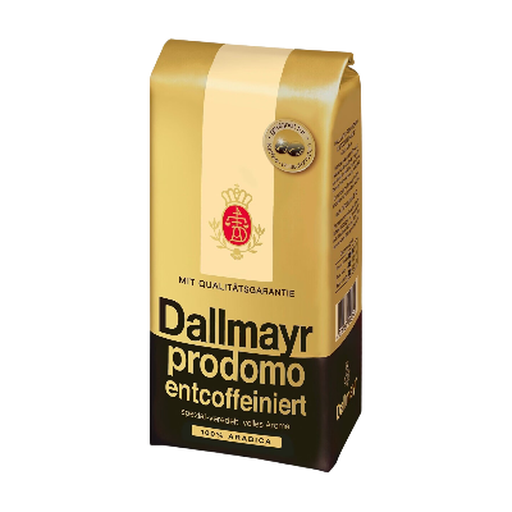
Why this product suits the profile: The beans are decaffeinated according to the product description and consist of highland Arabica. The 500 g pack is suitable if you don't need decaffeinated coffee in large quantities every day.
The product name explicitly indicates the decaffeination. For the most accurate assessment, you should check the information on the packaging.
500 g content, decaffeinated highland Arabica beans and air-protected storage according to the manufacturer's information.
Store coffee beans in a cool, dry and dark place. After opening, the packaging should be sealed tightly or the contents transferred to a suitable airtight container. Strong foreign odours, moisture and direct heat sources can affect the aroma.
With bean-to-cup machines, it is advisable to adjust the grind size and dosage in small steps. Beans ground too finely can slow down the flow, while a grind that is too coarse can result in a weak drink. For espresso machines and portafilter machines, the dose, tamping pressure and extraction time are also important. Only grind the amount you need immediately.
We have put together a complete, regularly updated list of products that fully meet these strict selection criteria and the safety regulations in force in the EU.
Generally, whole beans that are explicitly recommended for bean-to-cup machines are suitable. For Caffè Crema and milky coffee, medium roasts often work well. Also check whether your machine allows you to adjust the grind size and dosage.
The best-before date primarily refers to the unopened pack. After opening, air, light and moisture alter the aroma. Therefore, seal the pack carefully and use the beans according to your daily needs.
That depends on the pack size, price per kilogram, dosage and consumption. Whole coffee beans can offer more flexibility by grinding them shortly before brewing. However, with large packs, you should make sure that the beans are used up within a reasonable time and stored correctly.