
Lieferung heute & morgen

Qualitätsgarantie

Willkommens-Angebote freischalten: KOSTENLOSE Lieferung | Bis zu 80 % RABATT | Kostenlose 30-Tage-JoyPlus-Testphase
App herunterladen
The search for the perfect coffee machine can quickly become overwhelming. The market offers a vast array of options, from simple manual methods to complex automatic machines. Before you make a decision, it's crucial to understand the most common pitfalls that often lead to disappointment and unnecessary expense. This guide will help you understand the key features and make an informed choice.
Many purchasing decisions are based on marketing promises that overlook the realities of daily use. Pay attention to these three points to avoid a bad purchase:
To find the right machine for your needs, focus on a few crucial technical features.
The brewing method is a key determinant of your coffee's character. Each technique extracts flavours in a unique way.
The freshness of the grind is crucial for the aroma. An integrated or separate grinder is a worthwhile consideration. Conical or flat burr grinders made of ceramic or stainless steel deliver more consistent results than simple blade grinders. Also, pay attention to the materials of the machine itself. Components made of stainless steel are often more durable and hygienic than plastic ones. Removable, dishwasher-safe parts make regular maintenance much easier.
Depending on your lifestyle and coffee habits, a different machine will be the right fit for you. Here are some recommendations tailored to specific user profiles.
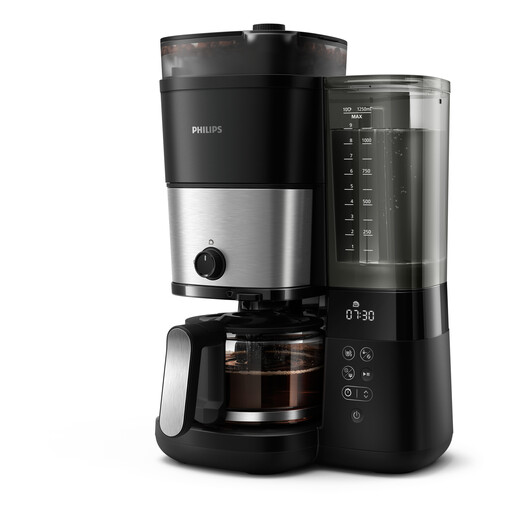
Why it's a great fit: Ideal for those who want the taste of freshly ground coffee without the hassle of a separate grinder or a fully automatic machine. The timer function allows you to wake up to the aroma of fresh coffee.
This machine bypasses the trade-off between convenience and quality. It avoids the bland taste of pre-ground powder without requiring the intensive cleaning of a complex fully automatic machine.
The integrated grinder with an aroma-seal bean container and the timer function offer maximum convenience for aromatic drip coffee.
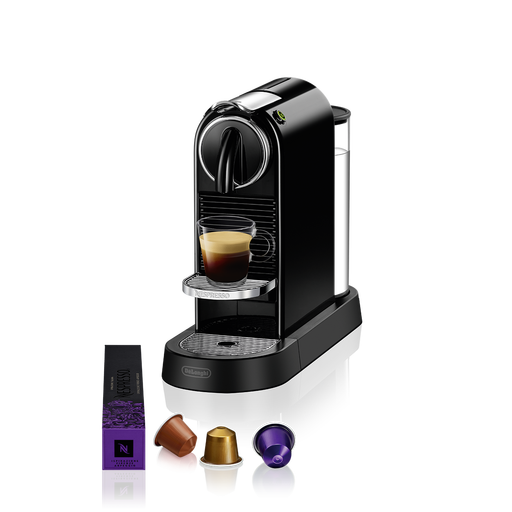
Why it's a great fit: Perfect for a quick espresso or lungo in the morning. The extremely short heat-up time and simple operation make it ideal for households where speed and consistent quality are valued.
Although capsules incur running costs, this system offers high reliability and avoids the trap of complex, error-prone machines. The cleaning effort is minimal, which simplifies long-term use.
The combination of 19-bar pump pressure and a heat-up time of just 25 seconds delivers fast and consistent results. Its compact design fits into any kitchen.
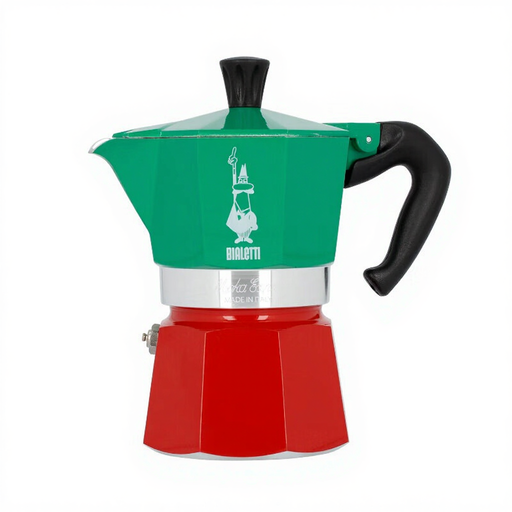
Why it's a great fit: For lovers of the Italian coffee ritual. This pot is an icon that has stood for robust, intense coffee for decades. It's simple, durable, and works on almost any stovetop.
The moka pot bypasses the pitfalls of electronics and running costs. It's a one-time, affordable purchase with no hidden expenses or complex, failure-prone components. Cleaning is straightforward.
The aluminium construction is extremely durable. The patented safety valve and simple handling make it a reliable companion for decades.
A machine isn't always the right solution. For a quick treat in the summer or on the go, a ready-to-drink iced coffee like the CTB Black Americano can be a practical alternative. Those looking to refine their coffee ritual will find useful additions in the right coffee accessories, such as the TIMEMORE Glass Crystal Eye Coffee Dripper or stylish Atmosphera Espresso Cups.
We have compiled a complete, up-to-date list of products that fully meet these strict selection criteria and UK safety regulations.
1. What is the difference between a capsule machine and a portafilter machine? A capsule machine is designed for maximum convenience and speed. You use pre-portioned capsules, and the brewing process is fully automated. A portafilter machine gives you complete control over the process: you grind the beans yourself, fill and tamp the grounds in the portafilter, and manually start and stop the extraction. This requires practice but also allows for the individual perfection of your espresso.
2. How important is the pump pressure in an espresso machine? The pressure is crucial. To prepare a true espresso, a pressure of at least 9 bars is needed at the brew head to force the water through the finely ground coffee in the correct amount of time. This is the only way to optimally extract the oils and aromas and create a stable crema. Machines with lower pressure (e.g., 3-5 bars) produce something more like a strong coffee rather than a true espresso.
3. Can I use any coffee bean for any machine? In principle, yes, but the bean and grind size should match the preparation method. For espresso, darker roasts with a full body and low acidity are often suitable. The grind must be very fine. For drip coffee or a French press, lighter roasts and a coarser grind are recommended to highlight the finer, fruity or floral notes and to avoid over-extraction.