
Lieferung heute & morgen

Qualitätsgarantie

Willkommens-Angebote freischalten: KOSTENLOSE Lieferung | Bis zu 80 % RABATT | Kostenlose 30-Tage-JoyPlus-Testphase
App herunterladen
A coffee machine for your home, office or small coffee station should reliably fit into your daily routine. Yet many product claims can lead to poor purchasing decisions: a high bar rating may sound like professional performance, but on its own it says little about the actual quality of the espresso. Large water tanks and numerous programmes are not automatically useful either if cleaning and operation take up a lot of time.
This buying guide explains what German households, professionals and hobby baristas should consider before making a purchase. The selection is based on clear information such as brewing method, tank capacity, dimensions, operation and cleaning requirements.
Espresso machine manufacturers often advertise 15, 19 or 20 bar. This figure generally describes the maximum possible pump pressure. However, grind size, dose, water temperature, tamping pressure and the design of the portafilter also play a role in extraction.
A 20-bar espresso machine may therefore be interesting for beginners, but it is not a standalone indication of quality. What matters is whether the machine can be operated and cleaned properly.
A coffee machine with numerous functions may seem versatile. However, if you mainly drink filter coffee, you may not need a steam wand or capsule adapter. Conversely, a simple filter coffee machine may be unsuitable if you regularly want to prepare espresso, cappuccino and latte macchiato.
You should therefore decide on your preferred brewing method before buying:
Coffee residue, milk residue and limescale affect hygiene and reliable operation. A coffee machine with a milk frother requires particular attention after use: the steam wand or milk system should be rinsed according to the instructions.
With capsule machines, ongoing capsule costs should form part of your purchasing decision. Bean-to-cup machines also incur additional costs for beans, water filters and, where applicable, cleaning tablets. As a result, a low-cost purchase can become more expensive than expected in the long term.
Check whether the appliance works with coffee beans, ground coffee, ESE pods or capsules. Not every espresso machine accepts multiple formats. According to the product information, for example, the HiBREW H2B supports Nespresso-compatible capsules, DG capsules, ESE pods and ground coffee. This can be useful if people in the household have different preferences.
If you regularly want to prepare different milk drinks, look for a steam wand or integrated milk system. A manual steam nozzle is often sufficient for an occasional cappuccino, while an automatic system can be more convenient when preparing several drinks one after another.
The tank capacity should match the number of cups you make each day. Compact models holding around 0.75 to 1.2 litres are generally more suitable for individuals, small kitchens or offices with only a few users. Larger tanks reduce the need for refilling, but take up more space and may contain water that has been standing for longer when used infrequently.
You should also consider:
A compact coffee machine is not automatically practical everywhere if the water tank is difficult to access.
For German households, appliances designed for 220–240 volts and 50 hertz are relevant. Features such as automatic shut-off, overheat protection and pressure relief improve operating safety, but do not replace correct use.
Before buying, check the product page and instructions for the following:
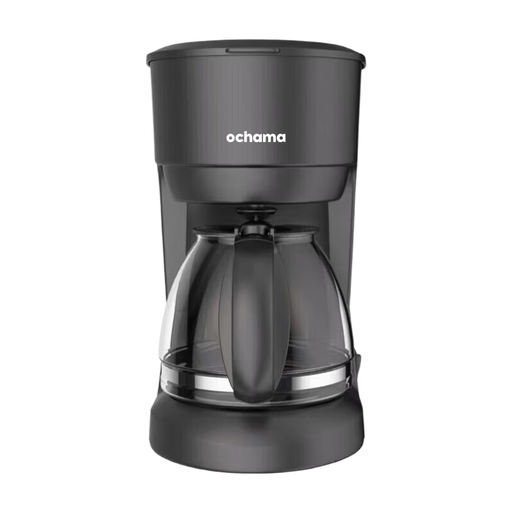
Why this product suits this profile: This compact filter coffee machine is designed for households or individuals who want to prepare American-style coffee without hassle. The 750 ml water tank is suitable for smaller quantities.
Its straightforward range of functions means you do not pay for espresso or milk programmes you do not need.
600 W of power, automatic operation, a 30-minute keep-warm function and components that are easy to dismantle according to the description.
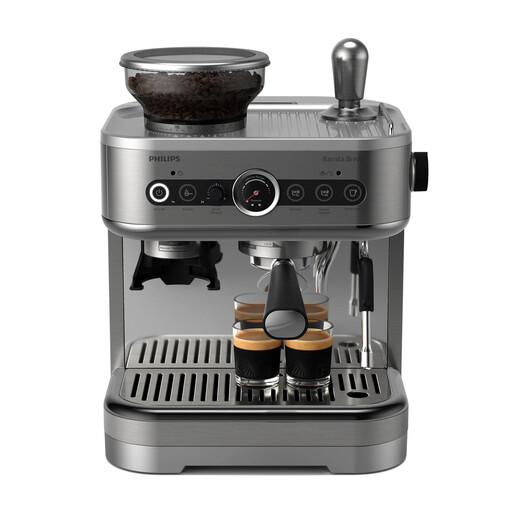
Why this product suits this profile: This model combines semi-automatic brewing with an integrated conical burr grinder, five grind settings, PID temperature control and a TFT display.
The technical specifications go beyond a simple bar rating, detailing the grinder, temperature control and a pressure gauge.
2.5-litre water tank, 250 g bean hopper, 15 bar maximum operating pressure and removable dishwasher-safe parts according to the product information.
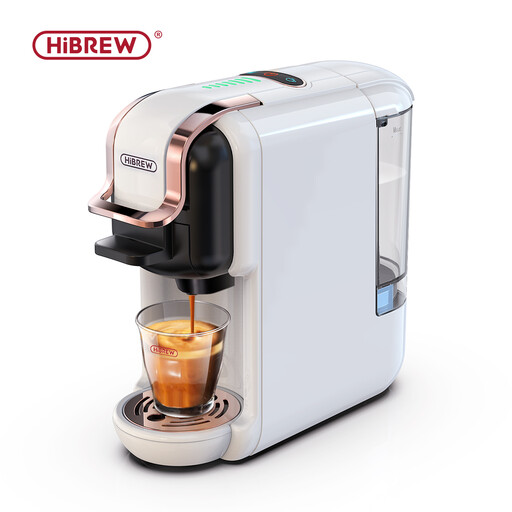
Why this product suits this profile: This machine is aimed at users who want to switch between espresso, milk drinks, capsules, ESE pods and ground coffee. Its compact design may be particularly useful for cafés, offices or self-service stations.
Supporting several coffee formats reduces your reliance on a single capsule or pod system.
5-in-1 concept, hot and cold preparation and, according to the product name, 20 bar pump pressure with a capacity of fewer than five cups.
We have put together a complete, regularly updated list of products that fully meet these strict selection criteria and the safety regulations applicable in the EU.
For a longer service life, follow the care instructions provided by the relevant manufacturer. This includes emptying the drip tray, rinsing the portafilter or brewing unit and descaling the machine regularly. If you have hard tap water in Germany, you may need to descale the machine more frequently.
With a bean-to-cup machine, removable brewing units and easily accessible containers are practical features. With an espresso machine, the steam wand should be wiped clean immediately after frothing milk and briefly rinsed through. A filter coffee machine generally requires less care, but should still be cleaned regularly to remove coffee oils and limescale.
Suitable options include machines with a steam wand, separate milk frother or integrated milk system. A coffee machine for cappuccino and latte macchiato should also provide enough room for tall glasses. For particularly simple operation, consider a bean-to-cup machine with a milk system; if you want to control the milk texture yourself, an espresso machine is usually the better choice.
Service life depends on the design, frequency of use, water quality and maintenance. Regular cleaning, correct descaling and observing the fill levels can reduce wear. A fixed number of years is not a reliable guide, as usage and maintenance vary considerably from one household to another.
In addition to electricity consumption, you need to factor in coffee, water, descaling solution and, where applicable, filters or capsules. Filter coffee is often easy to cost per serving. With capsule machines, you should consider the price of compatible capsules. Bean-to-cup machines incur ongoing costs for beans and care products. Therefore, do not compare only the purchase price, but also the expected cost per cup.