
Lieferung heute & morgen

Qualitätsgarantie

Willkommens-Angebote freischalten: KOSTENLOSE Lieferung | Bis zu 80 % RABATT | Kostenlose 30-Tage-JoyPlus-Testphase
App herunterladen
If you’re looking to buy a concealer, you’ll be faced with a huge choice of liquid formulas, cream pots and concealer palettes. But high coverage alone doesn’t determine whether a product will work for you day to day. The shade, skin type, finish and application method all need to suit your specific needs.
When it comes to concealers for dark circles, redness or blemishes, a few common marketing claims can lead to the wrong purchase. The criteria below will help you compare products objectively and tailor your choice to what you really need.
A high-coverage concealer can effectively hide pigmentation, redness or spots. However, under the eyes, a very opaque, fast-drying texture can settle more noticeably into fine lines. For dark circles, it’s not just about coverage – the amount you apply and the finish matter too.
Images on product pages can vary depending on your screen. What’s more, skin undertones differ – warm, cool and neutral. A concealer that’s too light can create grey shadows, while one that’s too dark can draw attention to the area you’re trying to cover. When choosing, you should therefore match your concealer shade with your foundation, neck area and undertone.
A waterproof concealer or a long-lasting concealer can be useful for long working days, events or warm weather. However, waterproofing doesn’t tell you how the texture will behave on dry or oily skin. A matte product can emphasise dryness, while a richer formula may become shiny or slip on oily skin more quickly.
Start by applying a small amount. A thin second layer is often easier to control than one thick layer applied all at once.
For the under-eye area, a slightly brightening shade is often used. For blemishes and redness, the concealer should be as close to your natural skin tone as possible, so the area isn’t highlighted further.
When comparing, look for descriptions like “Fair”, “Light”, “Medium” or “Deep”, as well as undertone labels such as “Cool”, “Warm” or “Golden”. A product like “Cool Cashmere”, for example, is clearly assigned to a cool undertone, while “Medium Golden” indicates a warm undertone.
Also check the current INCI list on the packaging. Formulas can change. If you have sensitive skin, take any known personal intolerances into account. For external use only: avoid contact with the eyes and discontinue use if irritation occurs.
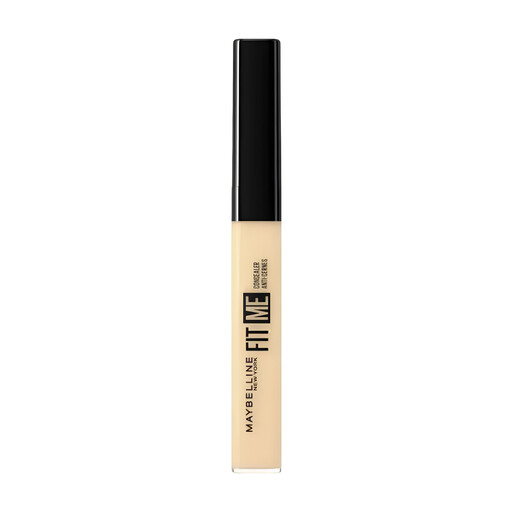
Why this product suits the profile: The liquid texture and shade “20 Sand” are ideal for anyone looking for a straightforward concealer for both the eye area and the face.
The product description states medium, buildable coverage rather than blanket full coverage. This means you can adjust the amount depending on the area of your face.
Liquid consistency, built-in applicator and a natural, non-greasy finish according to the product claims.
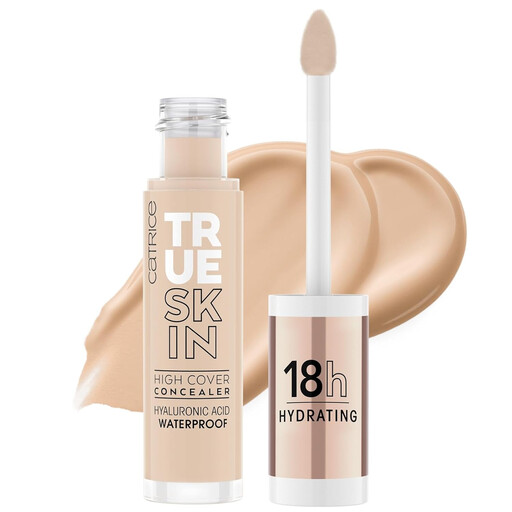
Why this product suits the profile: This concealer combines high coverage with a specific shade name – “010 Cool Cashmere” – and a natural, matte finish.
The colour direction is clearly stated. According to the product claims, the formula is waterproof and long-lasting; nevertheless, it should be applied in a thin layer initially.
High coverage, waterproof claim, plus vegan and microplastic-free product claims.
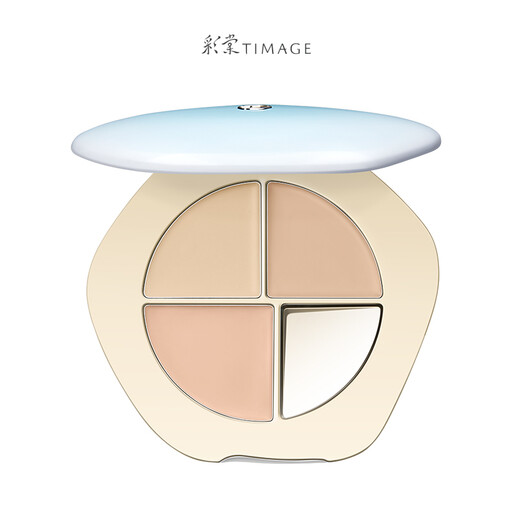
Why this product suits the profile: Three shades allow for separate or mixed application on the eye area, blemishes and shaded areas of the face.
The palette reduces reliance on a single shade. According to the product description, different textures are intended for the eye area and targeted corrections.
Three blendable colours and a stated wear time of up to eight hours.
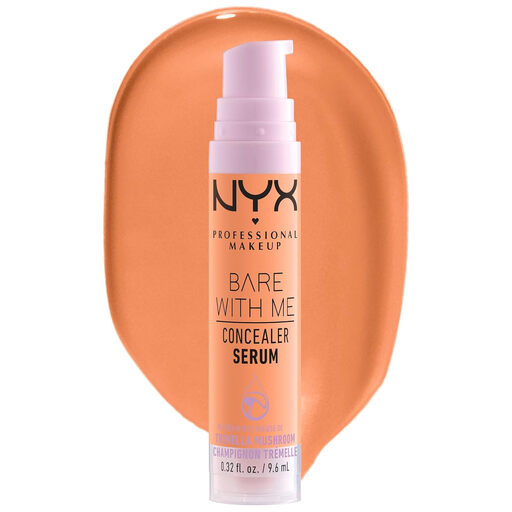
Why this product suits the profile: The liquid serum texture is designed for medium, buildable coverage and a natural finish.
Instead of blanket full coverage, the product description focuses on layerable, adjustable coverage. This can make application easier for normal to slightly dry skin.
Medium, buildable coverage, natural finish, plus vegan and cruelty-free product claims.
We’ve put together a full, regularly updated list of products that meet these strict selection criteria and the safety regulations in force across the EU.
For the eye area, medium or buildable coverage and a smooth texture are often easier to control. The shade shouldn’t be significantly lighter than your natural skin tone. For strong bluish or violet shadows, a slightly warm undertone can help balance the colour visually, without making any medical claims.
The symbol for the period after opening and the best-before or batch date on the packaging are the key indicators. Smell, colour and consistency can also give you clues. If anything changes or irritation occurs, stop using the product.
The price depends on factors such as brand, volume, formula and whether it’s a palette. Don’t just compare the pack price – also look at the millilitre or gram amount, the shade you want and how well it actually suits your skin type. That way, you’ll avoid paying for features you don’t need in your daily routine.