
Lieferung heute & morgen

Qualitätsgarantie

Willkommens-Angebote freischalten: KOSTENLOSE Lieferung | Bis zu 80 % RABATT | Kostenlose 30-Tage-JoyPlus-Testphase
App herunterladen
Buying cosmetics and personal care products online sounds straightforward, but with so many promises on offer, it can quickly become overwhelming. Terms like "natural", "barrier-strengthening" or "anti-ageing" don't automatically tell you whether a product suits your skin type, your intended use or your budget. A sensible selection process starts not with the brand name, but with your skin's needs, the ingredients, the quantity and how you plan to use it.
"Natural cosmetics", "organic cosmetics" and "vegan" are all different claims. A vegan product contains no animal-derived ingredients, but that doesn't automatically make it a natural cosmetic. With certified natural cosmetics, you should check the specific seal on the packaging. Similarly, "organic" may only refer to certain raw ingredients.
In Korean skincare, fermented ingredients, centella asiatica, niacinamide or hyaluronic acid are often highlighted. What really matters is the full INCI list. This shows you whether, for example, fragrances, essential oils or potentially irritating ingredients are included.
A rich moisturiser can be great for dry skin, but may feel heavy on oily skin. A facial oil works well as an extra step in your routine, but it doesn't replace a moisturiser or sunscreen. Skincare for sensitive skin should be as simple as possible in its formulation, and you should always test it on a small area first.
Products for babies, the eye area or intimate areas require special attention. They should only be used exactly as the manufacturer instructs. On irritated, broken or unusual-looking skin, a cosmetic product may not always be appropriate.
A low unit price doesn't tell you much about the real cost. Compare the amount, the number of items and how often you'll use it. A hydrogel face mask with four individual masks is a different proposition to a cream you use every day. With cotton pads, you also need to consider size, material, strength and how they're disposed of.
Check the INCI list directly on the product page or packaging. For sensitive skin, fragrance-free formulations can be a good option. If a product contains fragrance, you need to consider your own tolerance. Claims like "hypoallergenic" or "for sensitive skin" are not a guarantee for every individual.
For vegan skincare products, look for a clear manufacturer or certification statement. "Not tested on animals" and "vegan" are also not the same thing. For organic cotton pads, details like 100% organic cotton, origin and packaging are important.
Pay attention to the best-before date, batch number and PAO symbol – that's the open-jar symbol with a number of months. Many products should be stored in a cool, dry place away from direct sunlight. Masks and creams should not be kept near high temperatures. If you experience burning, redness, swelling or itching, stop using the product.
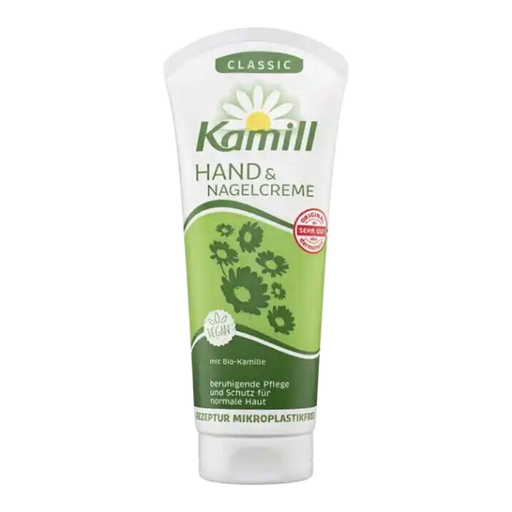
Why this product fits the profile: The 100 ml tube is suitable for daily hand and nail care as well as for on the go. The product description states a vegan formulation with organic chamomile.
The information states it is free from colourants, parabens, paraffin, mineral oil and PEG emulsifiers. Nevertheless, you should check the full ingredients list before buying.
100 ml content, vegan product claim and organic chamomile; according to the product description, it is intended for normal skin.
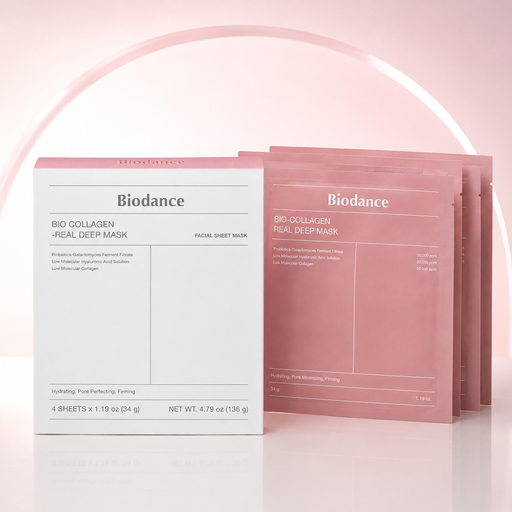
Why this product fits the profile: Four hydrogel masks, each 34 g, with a recommended application time of three to four hours or overnight, fit perfectly into a planned Korean skincare routine.
The long application time is clearly stated, preventing any false expectation of a quick express mask. A patch test is recommended before first use.
Four individual masks, ingredients including glycerin, niacinamide and hydrolysed hyaluronic acid, plus clear usage warnings.
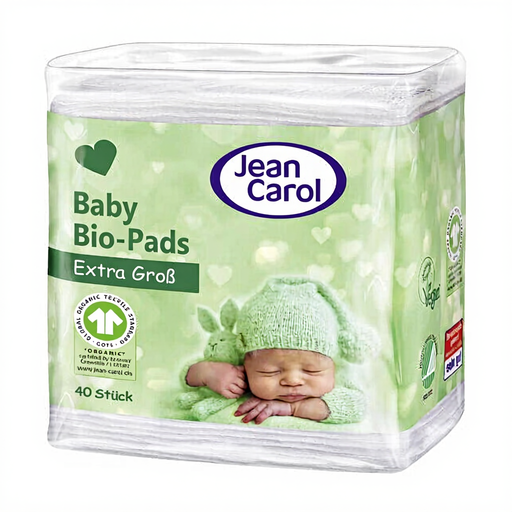
Why this product fits the profile: The large pads, measuring 9 × 11 cm, are designed for nappy changes and daily baby care when a bigger surface area is practical.
The material and size are clearly stated: 100% certified organic cotton and 40 pads. The pads must not be flushed down the toilet.
Large format, 100% organic cotton and dermatologically tested according to the product description.
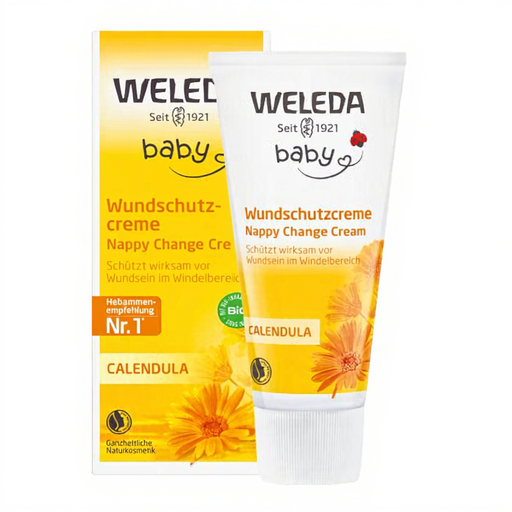
Why this product fits the profile: The 75 ml cream is intended for nappy area care and contains, among other things, zinc oxide, almond oil, sesame oil, beeswax and calendula extract.
The intended area of use is clearly stated. As the formula lists fragrances and ingredients from natural essential oils, you should check your own tolerance.
75 ml content, stated natural cosmetics certification according to the product information, and a protective formulation with zinc oxide and waxes.
We've put together a full, regularly updated list of products that meet these strict selection criteria and comply fully with EU safety regulations.
Look for a full list of ingredients, the fill quantity, origin, instructions for use, warnings and shelf life. For organic cosmetics or vegan skincare products, there should be clear seals or manufacturer statements. For sensitive skin, it's also important to know whether fragrances or essential oils are included.
Follow the PAO symbol on the packaging and the storage instructions. Water-based products like creams, essences and masks should not be used with dirty hands. If the smell, colour, consistency or your skin's reaction changes, stop using the product.
A simple routine with a gentle cleanser, a suitable moisturiser and possibly an extra facial oil can work well. Introduce new products one at a time and test them on a small area of skin first. For persistent or severe skin changes, you should seek medical advice.