
Lieferung heute & morgen

Qualitätsgarantie

Willkommens-Angebote freischalten: KOSTENLOSE Lieferung | Bis zu 80 % RABATT | Kostenlose 30-Tage-JoyPlus-Testphase
App herunterladen
Creatine Monohydrate is one of the most frequently purchased sports nutrition supplements. Yet comparing products isn't always straightforward: packaging features terms like "micronised", "with vitamins" or "maximum performance", while important details about creatine content, serving size and additives can easily be overlooked.
If you're looking to buy creatine for muscle building, strength training or repeated short bursts of high-intensity exercise, you shouldn't just focus on the pack price. What really matters is the actual creatine content, the daily serving, the format and the ingredients list.
A 300 g tub of creatine powder might seem cheaper than a smaller product. However, what counts for comparison is the number of servings and the amount of pure creatine per serving. A product with 3 g of creatine per serving will work out differently to one with 5 g. So check:
A product with creatine 300 g isn't automatically better value than a larger pack. For regular use, 500 g or 1,000 g can be more practical for heavy users, provided the storage and consumption fit your personal routine.
Micronised creatine is simply more finely ground powder. This can make it easier to mix with water or a protein shake. However, the term doesn't automatically tell you how much creatine monohydrate the product contains or what other ingredients are used.
So always check the ingredients list. A straightforward creatine supplement may consist of creatine monohydrate and possibly an anti-caking agent. Flavoured products can additionally contain sweeteners, acidity regulators, colourings or flavourings.
Creatine with electrolytes, vitamins or caffeine can be interesting for certain routines. But such a combination isn't necessary for everyone. If you already take a multivitamin, electrolyte drink or caffeinated pre-workout, compare the ingredients to avoid unnecessary overlap.
Also, unflavoured creatine isn't automatically the better choice: powder without flavouring can be flexibly mixed with water, juice or a shake, while a flavoured version may be more pleasant to drink for some people.
The EU-authorised health claim states that creatine, with a daily intake of 3 g, increases physical performance during repeated short bursts of high-intensity exercise in healthy adults. This claim applies to healthy adults and does not replace individual medical advice.
The products in our range differ in their serving sizes. Examples:
Always compare the creatine content, not just the total weight of the powder.
For a pure creatine supplement, the ingredients list should be straightforward. The Warrior Creatine Monohydrate Powder 300 g, for example, is listed with creatine monohydrate and silicon dioxide as an anti-caking agent. The vegan Nutri+ powder in 1,000 g is described as containing 100% creatine monohydrate with no sweeteners, flavourings, colourings, preservatives or anti-caking agents.
Flavoured products, on the other hand, contain additional ingredients. The Optimum Nutrition Blue Raspberry lists acidity regulators, flavourings, sweeteners, sodium chloride and a colouring. This isn't a judgement on quality, but it helps you choose according to your personal dietary preferences.
Creatine powder can be dosed flexibly and combined with other drinks. Creatine capsules or tablets require no measuring and are convenient for on the go, but depending on the daily serving you may need several units. With gummies, there's no mixing required; however, sugar or glucose syrup may be part of the recipe.
"Vegan" should be checked against the product information. The Nutri+ powder and WeightWorld Gummies are described as vegan or vegetarian. The MAMMUT Nutrition Creatine Capsules, according to the product information, contain a gelatine capsule shell.
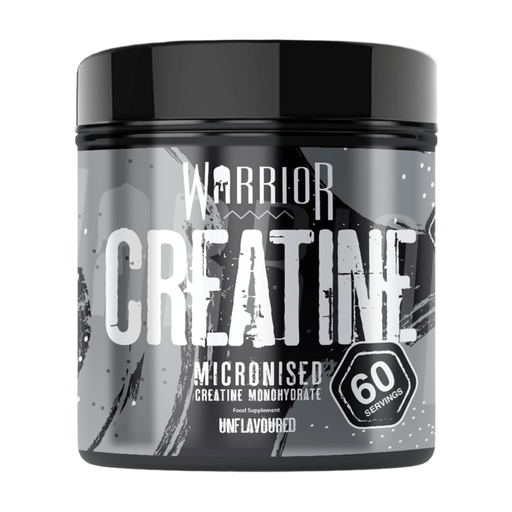
Why this product fits the profile: This unflavoured powder offers 60 servings according to the product information, with a recommended daily amount of 5 g, and can be used in water, juice or a protein shake.
The ingredients list is short; according to the product information, flavourings and sweeteners are avoided.
300 g content, 60 stated servings and micronised powder.
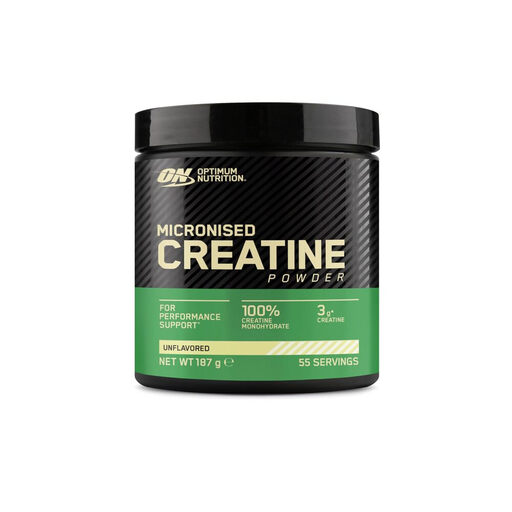
Why this product fits the profile: This unflavoured product is offered with pure creatine monohydrate according to the product information, and contains approximately 55 servings with 3 g of creatine each.
The creatine content per serving and the ingredients list are clearly stated, with no flavouring additives.
Micronised, unflavoured powder and flexible use in water or shakes.
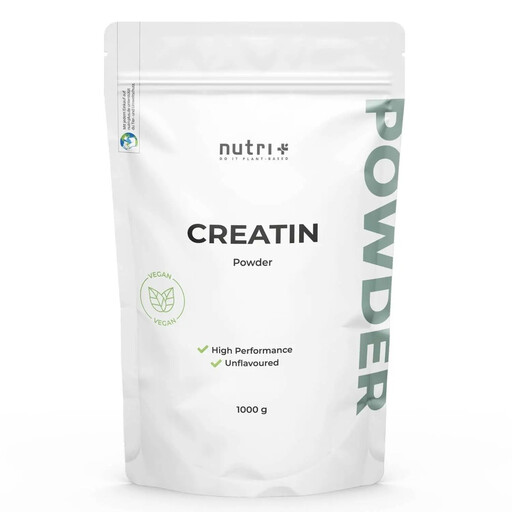
Why this product fits the profile: The large pack is aimed at people who use creatine regularly and prefer a vegan, unflavoured formula.
The product description states 100% creatine monohydrate with no sweeteners, flavourings, colourings or preservatives.
1,000 g content, vegan labelling and 3 g of creatine according to the stated daily serving.
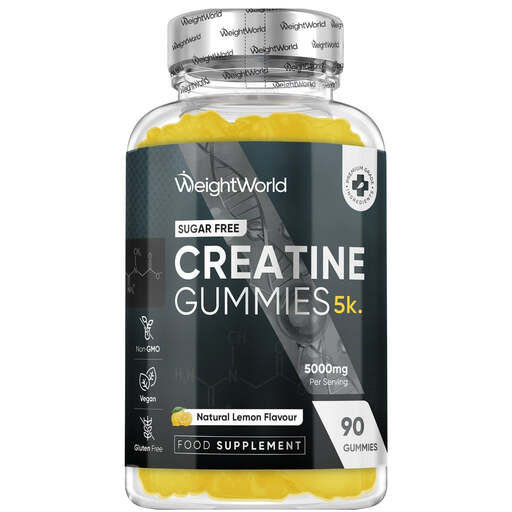
Why this product fits the profile: The gummies are designed for adults who want to take creatine on the go without mixing powder or swallowing tablets.
The daily serving is stated as three gummies; at the same time, the ingredients list includes glucose syrup and sugar.
No preparation required, 90 gummies per pack and fruit flavour according to the product information.
If you choose a product like creatine with vitamins, you should consider the additional nutrients within your daily diet. Warrior Creatine Plus Vitamins combines creatine monohydrate with vitamins A, B12, C, D and E, plus magnesium, iron and zinc. Warrior Creatine Plus Electrolytes adds electrolytes to creatine and is available in both unflavoured and flavoured versions.
These products can be a practical solution if you don't want to dose several powders individually. However, they do not replace a balanced diet. If you are taking medication, have an existing medical condition, are pregnant or breastfeeding, you should seek medical advice before use. Food supplements are not intended for people under 18 years of age, unless the product labelling states otherwise.
We've put together a complete, regularly updated list of products that fully meet these strict selection criteria and the safety regulations in force in the EU.
The best-before date and storage instructions on the label are what matter. Creatine powder should be stored in a dry, cool place, protected from direct sunlight and kept tightly sealed. Moisture can affect the handling and texture of the powder.
The product information for the powders mentioned generally recommends a daily serving without specifying a mandatory time of intake. A consistent routine can help with regular use. Always follow the dosage instructions for the particular product and do not exceed them.
That depends on the creatine content, serving size and pack size. Powder often offers flexible dosing. Capsules and gummies, on the other hand, can offer greater convenience when you're on the go. For a fair comparison, calculate the price per gram of creatine or per stated daily serving.