
Lieferung heute & morgen

Qualitätsgarantie

Willkommens-Angebote freischalten: KOSTENLOSE Lieferung | Bis zu 80 % RABATT | Kostenlose 30-Tage-JoyPlus-Testphase
App herunterladen
Crispbread keeps well, is versatile and is usually easy to store. Even so, the wide choice when buying crispbread can quickly lead to the wrong decision. Eye-catching packaging says little about the actual wholegrain content, fibre content or suitability for a particular diet.
As a Joybuy Product Recommendation Officer, I therefore filter the information that really matters when shopping. This makes it easier to compare rye crispbread, organic crispbread, gluten-free varieties and rusks objectively.
The term wholegrain crispbread is only meaningful if the ingredients list reveals the actual proportion of wholegrain flour or wholegrain flakes. A product may look dark while still consisting mainly of refined flour. So check the order of the ingredients: the ingredient listed first is present in the greatest quantity.
“High in fibre” should not appear only on the front of the packaging. The nutrition table shows how much fibre is contained per 100 grams. For comparison, the Wasa Whole Grain Rye Crispbread offered here contains 20 g of fibre per 100 g according to the product information, while Alnatura Organic Sesame Crispbread is listed as containing 16 g per 100 g. These figures relate to the individual product and do not replace personalised dietary advice.
Vegan crispbread may still contain gluten, sesame or other allergens that must be declared. Gluten should generally be expected in rye crispbread. Flavoured varieties may also contain milk ingredients or traces of other allergens. If you need gluten-free crispbread, check the labelling on the packaging and the complete ingredients list rather than relying on the product name alone.
For an objective comparison, values per 100 grams are more useful than figures per slice, as slice sizes vary. Alongside the fibre content, it is worth checking:
Crispbread loses its crunch when exposed to moisture. After opening, the pack should therefore be sealed tightly, or the contents stored in an airtight container. Also compare the pack size: 150 to 210 grams are suitable for occasional consumption, while 250 to 275 grams may be more practical for households that eat crispbread regularly.
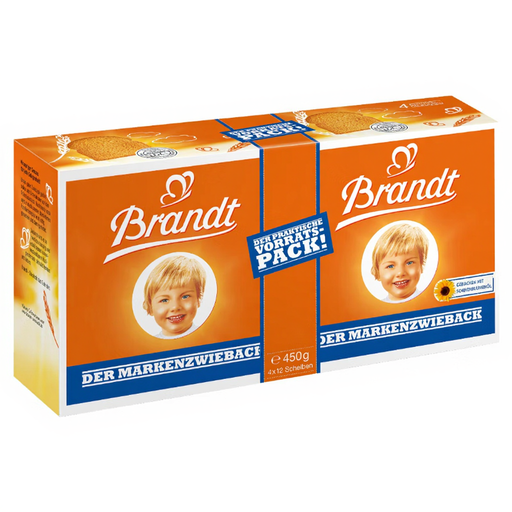
Why this product suits the profile: The double pack contains 450 g in total, making it suitable for households that want to enjoy rusks regularly at breakfast, as a snack or as a light alternative to bread.
The pack size makes stocking up a practical choice. The product information lists wheat and gluten, as well as 14 g of sugar and 0.66 g of salt per 100 g.
A light, twice-baked texture; ready to eat and easy to pair with sweet or savoury toppings.

Why this product suits the profile: According to the product description, the recipe consists of 84% wholegrain rye flour, 10% sesame and sea salt, and is labelled vegan.
The wholegrain and organic content can be checked using the ingredients and certification information. Important: the product contains gluten and sesame.
Organic recipe, vegan and listed as containing 16 g of fibre per 100 g; 250-g pack for regular use.

Why this product suits the profile: The high declared wholegrain rye content and 260-g pack are well suited to regular breakfasts, packed lunches and savoury meals.
The product information states that it contains 100% wholegrain rye flour and 20 g of fibre per 100 g. However, it does contain gluten from rye.
Rich rye flavour, 1.5 g of fat and 1.5 g of sugar per 100 g according to the product data; suitable as a neutral base for savoury toppings.

Why this product suits the profile: The product description states that the recipe is free from gluten and wheat, and lists rice and maize flour as key ingredients.
The product’s special characteristic is clearly stated. If you have coeliac disease or a pronounced sensitivity, you should also check the packaging, allergen information and your doctor’s recommendations.
The product information also states that it is free from yeast, egg, lactose, palm oil and preservatives; 150-g pack for specific requirements.
We have put together a complete, regularly updated list of products that fully meet these strict selection criteria and the safety regulations applicable in the EU.
Rusks are baked twice and usually have a light, dry texture. According to the product information, Brandt Wholemeal Crispy Rusks consist of 74% wholemeal wheat flour, but also contain sugar and gluten. Crispbread is generally thinner and more compact, and is more commonly used as a crunchy alternative to bread with spreads, cheese, vegetables or hummus.
For a vegan diet, Wasa or Alnatura varieties with the appropriate labelling are suitable, for example. According to the product description, Wasa Round Crispbread Sesame & Sea Salt is labelled vegan and lactose-free; however, it contains wheat and sesame. With seasoned snacks, the salt content and ingredients list should be checked particularly carefully.
The exact shelf life is stated on the packaging. Depending on the item, unopened products in the range state a minimum shelf life of, for example, 50, 80 or 60 days. Once opened, quality depends heavily on dry storage and a tight seal.
The declared fibre value per 100 grams is the key factor. Wasa Whole Grain Rye Crispbread and Wasa Rustikal are each listed as containing 20 g of fibre per 100 g. Alnatura Organic Sesame Crispbread provides 16 g per 100 g. Your personal tolerance and the rest of your diet should also be taken into account.
No. Being gluten-free and being vegan are two different properties. When buying, check both labels separately. You should also look out for potential allergens such as sesame, soya or nuts.