
Lieferung heute & morgen

Qualitätsgarantie

Willkommens-Angebote freischalten: KOSTENLOSE Lieferung | Bis zu 80 % RABATT | Kostenlose 30-Tage-JoyPlus-Testphase
App herunterladen
The search for the right curry paste can quickly feel like navigating a dense jungle of marketing claims. Many home cooks who want to bring the authentic taste of India into their own kitchens find themselves facing shelves packed with jars, all promising "traditional" and "original" flavour. But too often, the purchase leads to disappointment: the dish tastes flat, is unexpectedly spicy, or contains ingredients you wouldn't expect.
This guide will help you avoid the common pitfalls of buying curry paste. We'll show you what to look for to find a paste that truly matches your taste and cooking plans, without falling for empty advertising messages.
Before you put an Indian curry paste in your shopping cart, you should be aware of two widespread problems that often lead to a disappointing cooking experience.
To ensure you buy a high-quality curry paste that meets your expectations, you should carefully examine two core parameters.
A high-quality curry paste is defined by a clear and concise ingredient list. The main flavour drivers are spices. Make sure that spices like coriander, cumin, turmeric, and chilli appear high up on the list. This indicates a high spice content.
Not all curry pastes are created equal. Indian cuisine offers an enormous variety of regional curry types that differ greatly in taste and heat. Instead of looking for a generic "Indian curry paste," use these common types as your guide:
Here is a selection of curry pastes tailored to different needs and flavour profiles.
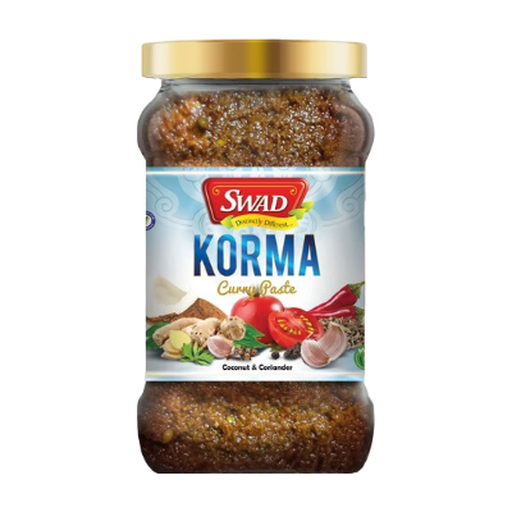
Why this product is a great fit: Ideal for anyone who wants to prepare a creamy, aromatic, and above all, mild curry. This Korma Paste is perfect for families and cooking novices who are just starting to explore Indian cuisine.
The product is clearly positioned as a mild curry paste for Korma, eliminating any uncertainty about the heat level. The ingredient list, featuring coconut and mild spices, promises an authentically creamy result without any unpleasant surprises.
Halal certified and suitable for vegetarians and vegans. The base of corn oil and coconut ensures a rich texture.
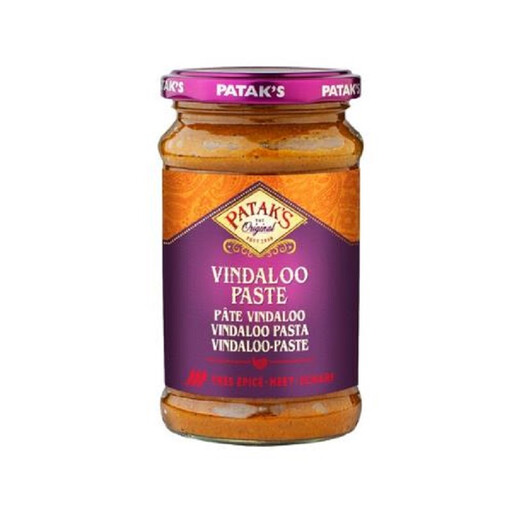
Why this product is a great fit: For cooks who want to create an authentic, fiery Vindaloo curry. This Vindaloo Paste from Patak's delivers the characteristic heat and complex spice blend of this Goan classic.
The "Vindaloo" name already signals a high heat level to those in the know, bypassing vague descriptions. The ingredient list, with a 22% spice blend including coriander, chilli, and turmeric, promises depth rather than just heat, avoiding the "authenticity" pitfall.
A concentrated recipe that goes a long way. The blend includes tamarind and mustard powder for the signature tangy and pungent flavour profile.
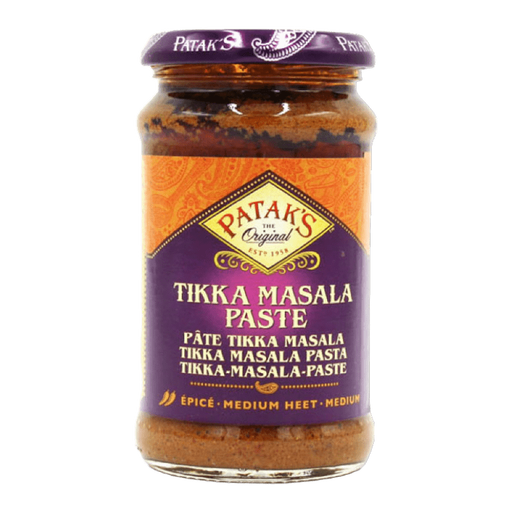
Why this product is a great fit: For anyone who wants to recreate the popular restaurant classic at home. This Tikka Masala Paste provides a balanced, aromatic base for a creamy and flavourful curry.
The paste targets a specific, well-known dish, avoiding vague flavour promises. With 20% ground spices, including turmeric, paprika, and coriander, the focus is clearly on quality rather than fillers.
Contains specific ingredients like tamarind and fenugreek leaf, which are crucial for the characteristic, slightly tangy, and deep flavour of an authentic Tikka Masala.
We've compiled a complete, up-to-date list of products that meet these strict selection criteria and quality standards.
Once opened, curry paste should always be stored in the refrigerator. Most manufacturers recommend using the product within 4 to 6 weeks. A quick look at the label will provide specific details. To maximize its shelf life, always use a clean spoon to avoid contaminating the contents.
No, not necessarily. Some traditional recipes, especially from Southeast Asia, may contain shrimp paste or other animal-derived ingredients. If you are looking for a vegetarian curry paste, check for corresponding seals or phrases like "suitable for vegetarians" or "vegan" on the packaging. Brands like Swad and Ashoka often offer options explicitly declared as vegetarian or vegan.
The amount needed depends heavily on the concentration of the paste and your personal taste. As a rule of thumb, start with about one to two tablespoons of paste per 250g of your main ingredient (meat, vegetables, or tofu). Briefly fry the paste in oil to release the aromas before adding the other ingredients. You can always add more paste later if the flavour isn't intense enough for you.