
Lieferung heute & morgen

Qualitätsgarantie

Willkommens-Angebote freischalten: KOSTENLOSE Lieferung | Bis zu 80 % RABATT | Kostenlose 30-Tage-JoyPlus-Testphase
App herunterladen
Finding the right dark chocolate can be a challenge given the vast selection available. Whether you prefer a high cocoa content, special ingredients like nuts and sea salt, or a vegan option, the differences in quality and taste are significant. This guide serves as a reference, presenting a selection of products to make your decision easier when buying dark chocolate.
As your Joybuy Product Recommendation Officer, I have compiled information on various products to provide you with an objective basis for your choice.
To make an informed decision, a few basic product features are key. The following two points will help you better understand labels and product descriptions.
The cocoa content, expressed as a percentage, is the defining characteristic of dark chocolate. It describes the total proportion of cocoa components (cocoa mass and cocoa butter) in the product.
A short and clear ingredient list is often an indicator of high-quality dark chocolate.
Based on these criteria, we have compiled a selection of different dark chocolates that cater to various preferences.
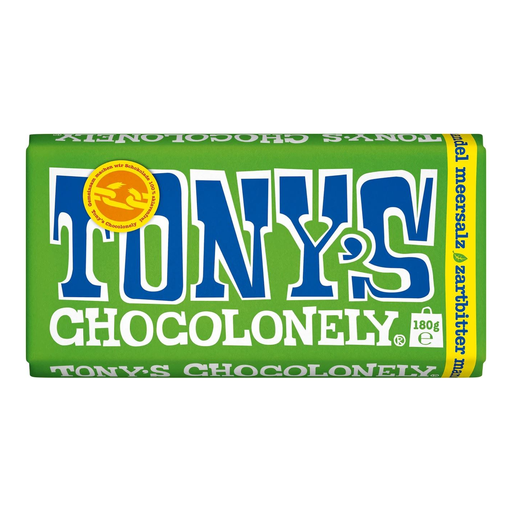
Why it stands out: This chocolate from Tony's Chocolonely combines a moderate cocoa content of 51% with crunchy almonds and a pinch of sea salt. This blend creates a complex flavour experience where sweet, salty, and nutty notes complement each other.
Pros:
Who it's for: Ideal for connoisseurs looking for a dark chocolate with a special touch. Those who appreciate the interplay of sweet and salty and prefer a certified vegan chocolate will find this a suitable option.
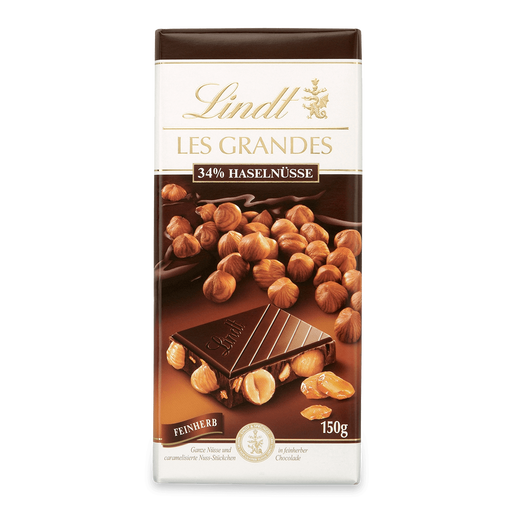
Why it stands out: The exceptionally high proportion of whole nuts makes this bar stand out. With 34% whole roasted hazelnuts and caramelised hazelnut pieces, it offers an intense nutty experience.
Pros:
Who it's for: This chocolate is the top choice for lovers of chocolate with nuts. Anyone looking for a bar where the nut is not just an addition but the main star will be delighted.
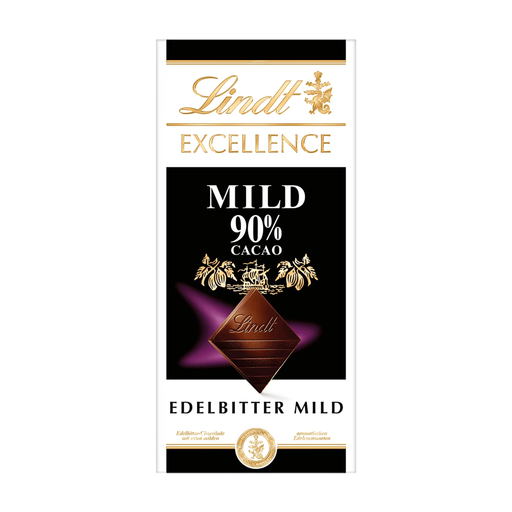
Why it stands out: As a representative of the high-cocoa chocolate category, Lindt Excellence 90% offers a pure and intense cocoa experience. The focus here is clearly on the complex flavour profile of the cocoa bean.
Pros:
Who it's for: This chocolate is aimed at experienced dark chocolate lovers who appreciate a strong, less sweet, and complex flavour. It is ideal for a mindful tasting, for example, with coffee or red wine.
If our selection doesn't include the right variety for you, or if you're looking for other types of chocolate like pralines or chocolate drops for baking, you can find more options in our broader collection.
Discover more in our Chocolate Chips category
High-quality dark chocolate can often be identified by a short ingredient list where cocoa mass is listed first. Other quality indicators include the absence of artificial flavours and fats (other than cocoa butter) and a smooth, silky texture that melts on the tongue without a gritty feel.
No, not necessarily. Although many varieties with high cocoa content are made without dairy, some recipes may contain milk fat or milk powder. There is also often a risk of cross-contamination during production. For a safe choice, you should specifically look for products declared as "vegan" or carefully check the ingredient list and allergen information.