
Lieferung heute & morgen

Qualitätsgarantie

Willkommens-Angebote freischalten: KOSTENLOSE Lieferung | Bis zu 80 % RABATT | Kostenlose 30-Tage-JoyPlus-Testphase
App herunterladen
The search for the perfect doll can quickly become overwhelming. Whether it's for a gift or to expand a personal collection, the market offers a vast selection, from the classic baby doll to the detailed collector's doll. However, not every doll that looks appealing at first glance proves to be a good choice in the long run. Many buyers face issues like subpar materials or fleeting play value.
As your Joybuy Product Recommendation Officer, I'm here to help you identify the common pitfalls and make an informed decision. This guide focuses on the objective criteria that truly matter, ensuring you find a doll that brings lasting joy.
Before you buy a doll, it's important to be aware of the common marketing traps and product flaws that often lead to disappointment.
To avoid a purchase you'll regret, focus on a few crucial technical parameters and standards.
The material is the foundation of durability and safety. For toys sold in the EU, always look for the CE mark. This mark confirms that the product meets the applicable European safety requirements.
A doll's play value heavily depends on whether it matches the child's skills and interests.
Instead of making a one-size-fits-all recommendation, we've matched products to different needs and age groups.
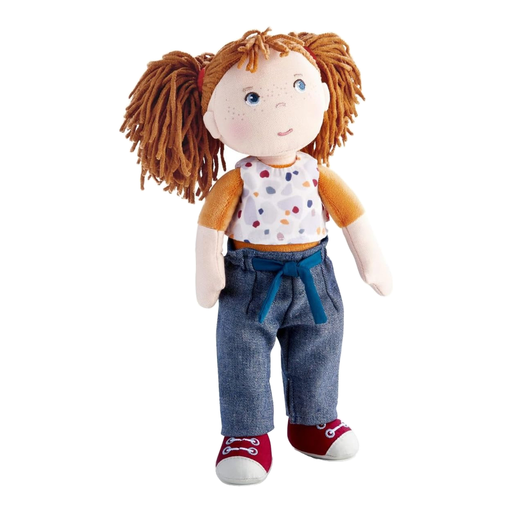
Why This Fits Their Persona: Ideal for toddlers who need a first companion that is safe, soft, and cuddly. The doll is specifically designed for small hands, encouraging early role-play and a sense of security.
This doll intentionally avoids small parts and is made from soft, tested materials. The embroidered face eliminates any choking hazard, completely sidestepping the pitfall of unsuitable materials.
Machine washable at 30°C, which simplifies hygiene. The clothes are easy to put on and take off, helping to train fine motor skills.
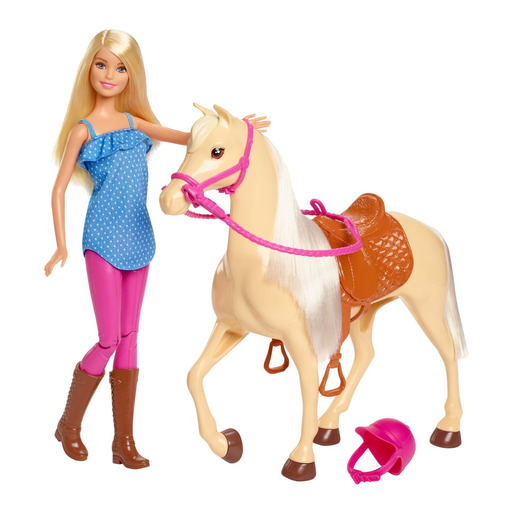
Why This Fits Their Persona: Perfect for children who love to invent stories. This doll and horse set provides an immediate foundation for adventure and encourages imaginative play without being limited by electronics.
This set focuses on classic, imaginative play value instead of short-lived electronic gimmicks. It offers long-lasting engagement, as the play possibilities are limited only by the child's creativity.
A complete playset that's ready to go right out of the box. The doll's articulated joints allow for realistic riding poses.
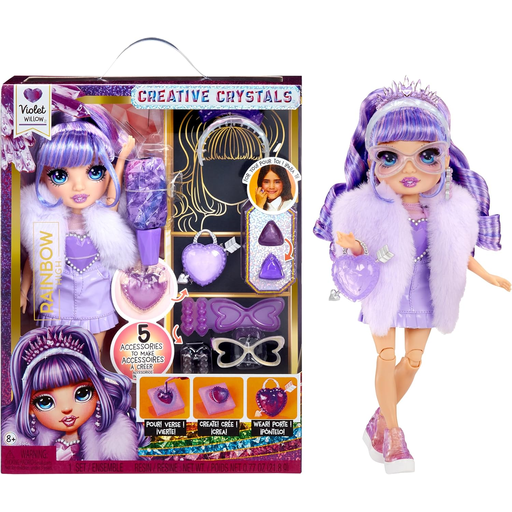
Why This Fits Their Persona: For older children and young collectors looking for more than just a plaything. This set combines a fashion doll with a DIY project, allowing them to create their own crystal accessories.
The clear 8+ age recommendation ensures the product is targeted at the right audience, avoiding the pitfall of incorrect age grading. The focus is on the creative process, not passive entertainment.
Promotes creativity and patience through its crafting element. The result is a personalised collector's item.
We've compiled a complete, up-to-date list of products that fully meet these strict selection criteria and EU safety regulations.
1. How do I clean a doll properly? The cleaning method depends on the material. Plastic dolls like a Barbie can be wiped down with a damp cloth and mild soap. For a soft doll or fabric baby doll, always check the care label. Many high-quality fabric dolls, like those from HABA, are machine washable at 30°C. It's best to place them in a pillowcase to protect them during the wash.
2. What does the CE mark on toys mean? The CE mark is a self-declaration by the manufacturer that their product meets all relevant EU directives for safety, health, and environmental protection. When buying toys, especially for young children, this mark is an essential minimum standard to look for. However, it is a declaration of conformity, not a quality seal.
3. From what age is a fashion doll like Barbie or a Disney Princess appropriate? Most manufacturers recommend an age of 3+ years, as the risk of swallowing small parts decreases around this age. However, the true play value often emerges with children aged 4 or 5. At this stage, their fine motor skills are better developed for dressing and undressing the dolls, and their capacity for imaginative role-play is more pronounced. For younger children, a more robust baby doll or a soft doll is often a more suitable choice.