
Lieferung heute & morgen

Qualitätsgarantie

Willkommens-Angebote freischalten: KOSTENLOSE Lieferung | Bis zu 80 % RABATT | Kostenlose 30-Tage-JoyPlus-Testphase
App herunterladen
As your Joybuy Product Recommendation Officer, I see it as my mission to bring clarity to the often-confusing world of food products. Dried dates are a perfect example: they're considered a natural sweet treat, yet not every product delivers on its packaging's promise. Before you buy your next pack of dried dates, you should know the most common pitfalls to make an informed decision.
A common issue is hidden added sugar. Some products are treated with glucose syrup to make them shinier and sweeter, which undermines the fruit's natural character. Another point is variety confusion. A date labelled "Jumbo" isn't automatically a high-quality, soft Medjool date. This label often conceals drier, less flavourful varieties. Finally, processing is crucial: dates with pits, while in their original state, are impractical for a quick snack or for use in recipes.
To avoid disappointment, you should check three key criteria. These will help you objectively assess a product's quality and suitability for your intended use.
Not all dates are created equal. The variety significantly determines the taste, texture, and ideal use.
A look at the ingredients list and product description reveals the quality.
Before buying, consider what you primarily want to use the dates for.
Here are some recommendations tailored to different needs that meet the quality criteria mentioned above.
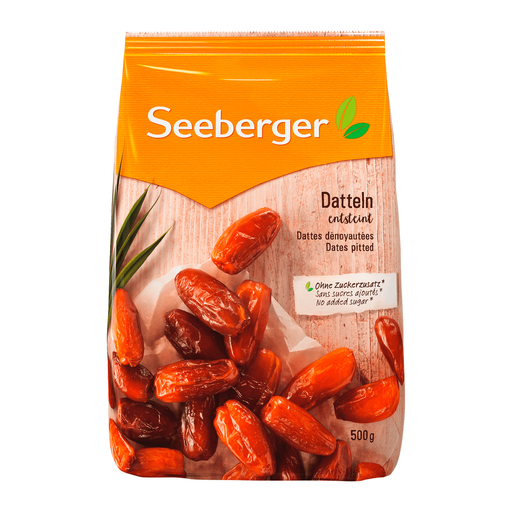
Why This Fits Their Persona: Ideal for families and health-conscious consumers looking for a versatile date for snacks, muesli, or baking. The Seeberger dates brand is known in Germany for its consistent quality.
The product is already pitted, which bypasses the inconvenience pitfall. The ingredients list confirms that these are dates with no added sugar.
Versatile use (snacking, baking). The Deglet Nour variety offers a pleasant, not-too-overpowering sweetness.
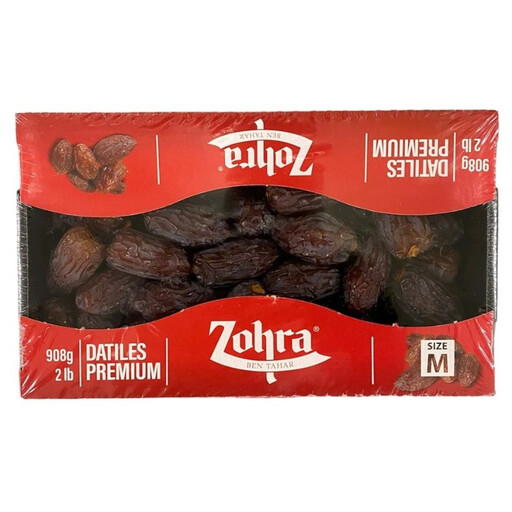
Why This Fits Their Persona: Perfect for those who seek the intense, caramel-like flavour and soft texture of genuine Medjool dates. Suitable as a high-quality snack or as a base for fine desserts.
This product clearly declares the "Madjoul" (Medjool) variety, thus avoiding the pitfall of receiving a generic, lower-quality "Jumbo" date.
Large, juicy fruits with soft flesh. Intense, natural flavour without any additives.
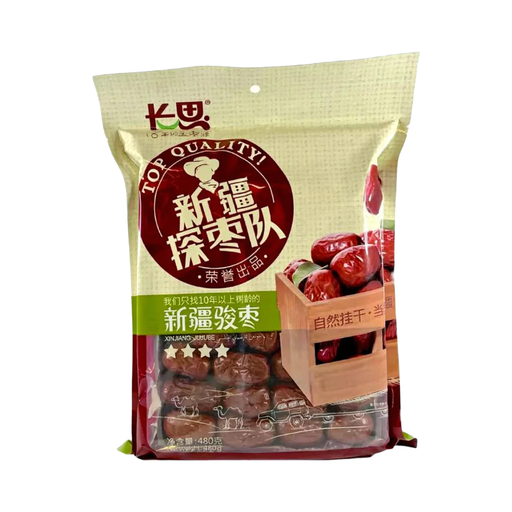
Why This Fits Their Persona: Essential for lovers of Asian cuisine who want to prepare traditional soups, teas, or desserts. This red date (jujube) is the specific ingredient needed for authentic recipes.
This product prevents confusion with dates from the date palm. It is clearly identified as jujube, intended for specific culinary applications.
Firm texture that holds up even when cooked. Mild, slightly tart flavour that lends a subtle sweetness and complexity to dishes.
We have compiled a complete, up-to-date list of products that fully meet these strict selection criteria.
1. How should you store dried dates properly? Dried dates should be stored in a cool, dry, and dark place, ideally in an airtight container. This prevents them from drying out or absorbing foreign odours. For longer shelf life, especially for soft varieties like Medjool, storing them in the refrigerator is also a good idea.
2. Are red dates (jujubes) the same as regular dates? No, they are fruits from two different plant families. True dates (e.g., Medjool, Deglet Nour) grow on the date palm (Phoenix dactylifera) and are typically very sweet and soft. Red dates, also called jujubes, come from the jujube tree (Ziziphus jujuba), have a firmer, chewier texture, and a milder, often slightly tart flavour.
3. Can you completely replace sugar with dates? Dates are a popular alternative to refined sugar in baking because, in addition to sweetness, they also provide fibre and nutrients. You can process them into a paste and use them as a sugar substitute in many recipes. However, note that dates have a strong, distinct flavour and a different chemical composition. The baking result in terms of texture and browning may differ from recipes using granulated sugar. A 1:1 substitution is not always possible and often requires adjusting the amount of liquid in the recipe.