
Lieferung heute & morgen

Qualitätsgarantie

Willkommens-Angebote freischalten: KOSTENLOSE Lieferung | Bis zu 80 % RABATT | Kostenlose 30-Tage-JoyPlus-Testphase
App herunterladen
Dried fruit is convenient for eating on the go, at breakfast, in baking recipes or in Asian desserts. The selection ranges from sultanas and dried apples to dried mango, longan, guava and jackfruit. However, an attractive image or the word “natural” reveals little about the ingredients, sugar content, pack size or intended use.
When fruit is dried, its natural sugar becomes concentrated as the water is removed. Additional sugar, glucose syrup, maltose or honey may also be included. Checking the ingredients list shows whether the product consists solely of fruit or has been sweetened.
Examples: Xue Ji Dried Apples contain at least 70% apple, along with sugar and dextrose. Yan Jin Pu Zi Mangos contain 83% mango, supplemented with sugar, glucose and maltose. If you are looking for the shortest possible ingredients list, consider products such as pure dried fruit or sultanas without any additional ingredients.
A 400- or 500-gram pack can make sense for families, teas, soups or regular baking. For occasional snacking, a smaller pack is often more practical, as opened dried fruit can absorb moisture or dry out. Therefore, compare the price per 100 grams, not just the total price.
Sulphur dioxide and sulphites are used as preservatives in some dried fruit. Products containing E223 or E220 must be labelled accordingly. If you are sensitive to sulphites, read the packaging information carefully. Colourings and sweeteners are also not unusual in candied fruit or traditional fruit snacks.
The percentage of fruit makes comparison easier: for dried apples, mangoes, strawberries or guavas, it should be clearly stated. The nutrition table also shows the sugar content per 100 grams. It is important to distinguish whether the sugar comes solely from the fruit or has been supplemented with additional ingredients.
Soft, chewy varieties such as dried mango, dried strawberries or prunes are suitable for eating straight from the pack. Sultanas and cranberries are practical for baking and muesli. Dried longan and jujubes are ideal for tea, soups, congee and desserts. For savoury dishes, sweet-and-sour varieties such as dried apricots or plums can provide interesting contrasts.
Small bags between 50 and 160 grams are ideal for lunch boxes, the office or travelling. Larger packs from 250 grams upwards are more suitable for families and regular use in the kitchen. As a general rule, dried fruit should be stored in a cool, dry place away from direct sunlight. Once opened, an airtight container is advisable. The exact shelf life depends on the best-before date and the information on the packaging.
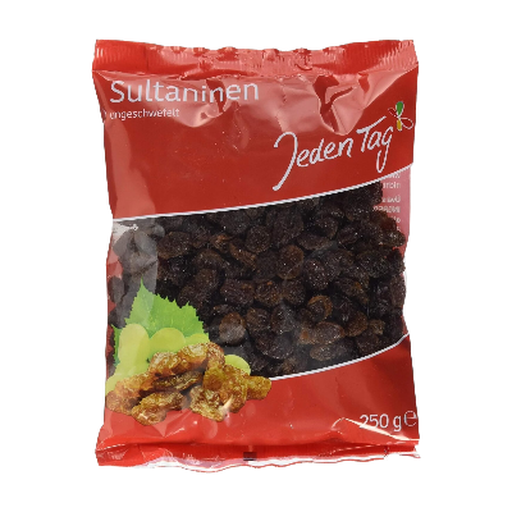
Why this product suits this profile: The 250-gram pack provides a classic base for muesli, cakes, bread rolls and eating straight from the pack.
The ingredients list names sultanas only. According to the product information, no additional sweeteners or sulphites are listed.
250 g content; versatile for baking, cereals or snacking.
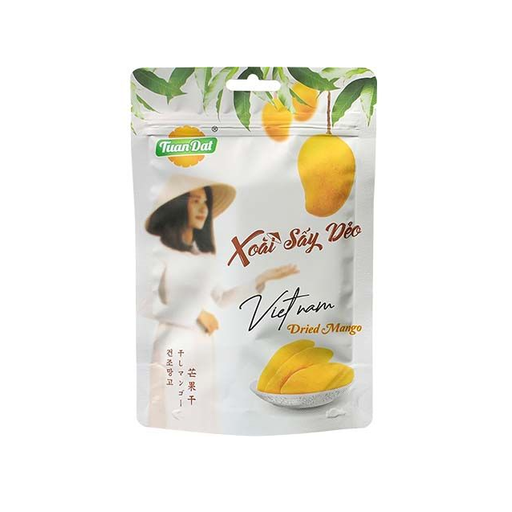
Why this product suits this profile: With 95% fruit content, this soft mango is appealing to buyers who prefer clearly labelled exotic dried fruit.
The high mango content is stated clearly. However, the product contains 5% sugar and sulphur dioxide, which should be taken into account before buying.
95% mango; no synthetic colourings according to the product description; 100-g portion.
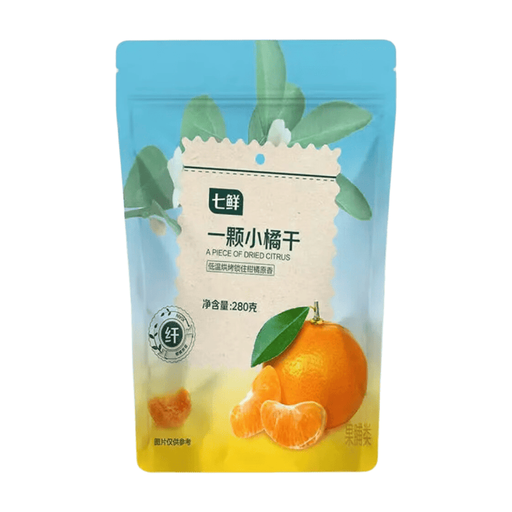
Why this product suits this profile: The 280-gram pack is suitable for several portions, teatime or keeping a shared supply of snacks.
The fruit content of at least 78% is stated. At the same time, the product contains sugar and citric acid, making the ingredients list transparent.
280 g content; ready to eat; suitable for snacking and teatime.
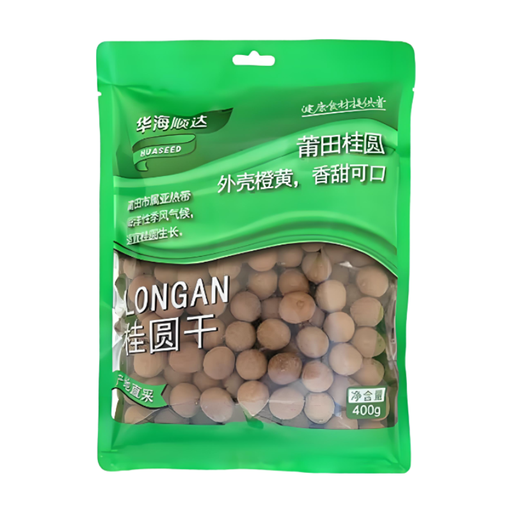
Why this product suits this profile: Pure longan fruit is intended for Asian cooking, tea, soups, desserts and regular pantry stocking.
The only listed ingredient is dried longan. The 400-g pack is better suited to frequent use than to a one-off trial purchase.
100% dried longan; suitable for snacks and a range of cooking applications.
We have put together a complete, regularly updated list of products that fully meet these strict selection criteria and the safety regulations applicable in the EU.
Dried fruit can be a convenient alternative to confectionery, but depending on the variety, it may contain a lot of carbohydrates and sugar per 100 grams. Portion size, the ingredients list and the nutrition table are the key factors. Sweetened or candied fruit should not be treated as the same as unsweetened dried fruit.
This depends on the variety, packaging and storage conditions. Once opened, dried fruit should be stored in a cool, dry place in a tightly sealed container and consumed as soon as possible. For products with specific instructions, such as Tuan Dat Mango, the information on the packaging takes precedence.
Sultanas, cranberries, dried apples, plums and apricots can be used in cakes, bread, muesli bars and desserts. For Asian recipes, longan, jujubes, dried mango or jackfruit are suitable ingredients. Before using them, check whether the fruit has already been sweetened, seasoned or preserved.