
Lieferung heute & morgen

Qualitätsgarantie

Willkommens-Angebote freischalten: KOSTENLOSE Lieferung | Bis zu 80 % RABATT | Kostenlose 30-Tage-JoyPlus-Testphase
App herunterladen
By Joybuy Product Recommendation Officer, August 28, 2026
Dried mango has become a popular snack for any time of day. Its concentrated tropical sweetness offers a convenient alternative to traditional sweets. However, when buying dried mango, there are several pitfalls that can spoil the experience. Many products don't live up to the promises on their packaging. This guide will help you separate the good from the bad and make an informed purchasing decision.
Before you buy dried mango, you should be aware of two common issues that often lead to disappointment:
To ensure you get a high-quality product that meets your expectations, you should carefully examine two core parameters.
A thorough analysis of the ingredients is the most important step.
Not all dried mango is created equal. The cut and origin have a significant impact on taste and mouthfeel.
Based on these criteria, we have identified a few products that are well-suited for different tastes.

Why it's a great fit: Ideal for those who want pure, unadulterated fruit flavour without any added sweetness. A snack for the health-conscious connoisseur.
This product avoids the sugar trap, as the manufacturer states it has no added sugar, with the sweetness coming exclusively from the fruit.
The ingredients list is short and transparent. According to the manufacturer, the packaging is 100% recyclable.
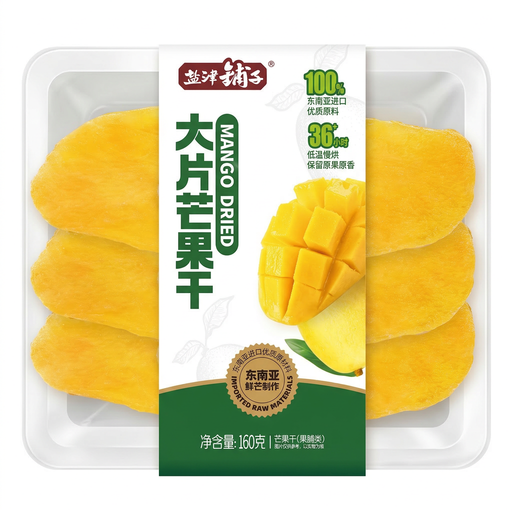
Why it's a great fit: For lovers of the classic, sweet, and juicy mango snack. Perfect for lunchboxes, the office, or as a sweet reward.
This product addresses the texture lottery by offering large, fleshy slices with a soft and non-fibrous consistency, according to the description.
The combination of sweetness and light acidity creates a balanced flavour profile. The large slices offer a satisfying chewing experience.
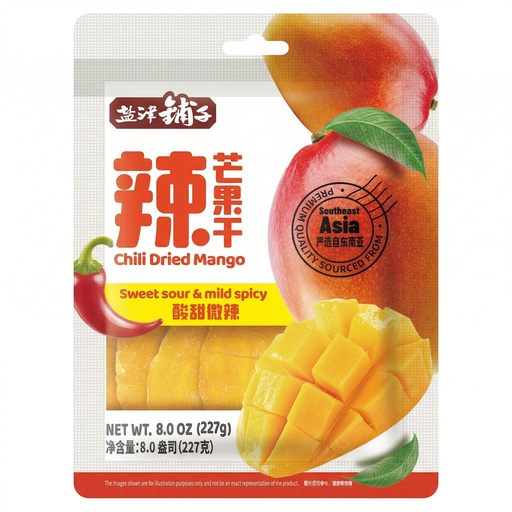
Why it's a great fit: For anyone looking for a change from purely sweet flavours and wanting to try spicy dried mango. A snack with character.
This product escapes the monotony of classic fruit snacks by adding chili powder and spices, creating an unexpected flavour experience.
The combination of sweet, sour, and spicy offers a complex aroma profile. The soft texture is maintained, according to the manufacturer.
We have compiled a complete, up-to-date list of products that fully meet these strict selection criteria and UK/EU regulations.
To preserve its soft texture, you should store opened packages in an airtight container. A resealable bag or a jar with a tight-fitting lid works well. Store the dried mango in a cool, dry, and dark place. Storing it in the refrigerator can extend its shelf life but may make the mango firmer.
Dried mango without added sugar contains only the natural sugars found in the fruit. Its flavour is purely fruity and often less intensely sweet. Products with added sugar are noticeably sweeter and often have a glazed, slightly sticky surface. The sugar serves as both a flavour enhancer and an additional preservative.
Yes, many commercially produced dried mangos contain sulfites (often declared as sodium metabisulfite or E223). This additive prevents the fruit from browning and inhibits the growth of microorganisms. If you are sensitive to sulfites, you should specifically look for products that are explicitly labelled as "unsulfured" or "sulfite-free." This information is legally required and must be listed in the ingredients.