
Lieferung heute & morgen

Qualitätsgarantie

Willkommens-Angebote freischalten: KOSTENLOSE Lieferung | Bis zu 80 % RABATT | Kostenlose 30-Tage-JoyPlus-Testphase
App herunterladen
By Joybuy Product Recommendation Officer, July 10, 2026
Dried mango has established itself as a convenient and flavourful snack. Whether as a healthy treat on the go, in the office, or as a kitchen ingredient, this tropical fruit is incredibly versatile. However, buying dried mango can quickly lead to disappointment. Many products don't live up to the promises on their packaging. This guide will help you navigate the most common pitfalls and make an informed decision.
Before you buy dried mango, you should be aware of the common problems that often only become apparent after opening the package.
To avoid a bad purchase, you should check three key parameters before making a decision. These provide reliable clues about the actual quality of the product.
The most telling information is found on the ingredient list. Pay attention to two things:
The desired soft dried mango is the result of careful processing. The thickness of the slices and the drying method are crucial here. Products described as particularly soft or "juicy" often come from manufacturers who precisely control the drying process to retain residual moisture. Brands specialising in Asian snacks often have a deep understanding of how to produce dried fruit with a pleasant texture.
Sulphites, often declared as sodium metabisulphite (E223), are preservatives that maintain colour and inhibit the growth of microorganisms. They are found in many dried fruits. Labelling is legally required, as sulphites can trigger intolerances in some people. Low use or complete avoidance of sulphites can be a mark of quality, but it often results in a darker, more natural colour for the fruit.
Based on these criteria, we have compiled a selection of products suitable for different needs and flavour profiles.
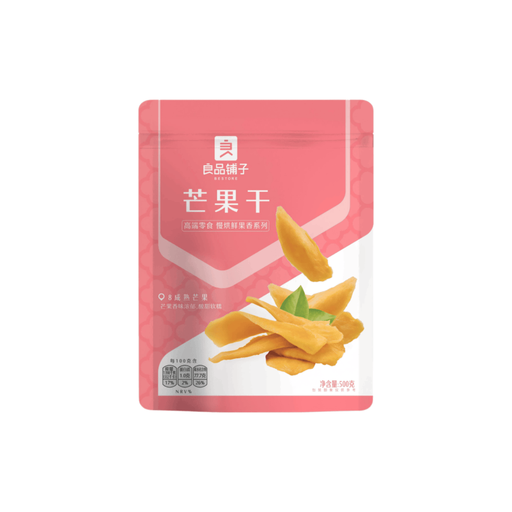
Why This Fits Their Persona: Ideal for those seeking an authentic, fruit-forward snack without complex flavour experiments. The bulk pack is perfect for regular enjoyment and offers a consistent taste experience.
The high fruit content of ≥70% and the transparent ingredient list counteract the trap of hidden sugar and fillers. The brand is known for a consistently soft texture.
High fruit content for an intense mango flavour. The bulk pack of dried fruit offers excellent value for money.

Why This Fits Their Persona: Perfect for fans of Asian snacks who are bored with pure sweetness. The combination of sweet, salty, and spicy offers a complex and exciting taste experience.
This product isn't marketed as a classic sweet dried mango, which clearly manages expectations. The description explicitly points out the salty-spicy flavour profile.
Unique salty-spicy seasoning. The texture is described as exceptionally soft and chewy with no fibrous residue.

Why This Fits Their Persona: This bulk pack is ideal for families or professionals who need a reliable supply for lunch boxes or a quick snack, while also valuing good value for money.
The very high mango content of 83.2% is a clear quality indicator and protects against sugary products with little fruit. The bulk pack ensures consistent quality.
Very high fruit content (83.2%). The 500g pack is ideal for regular needs and offers great value.
We have compiled a complete, up-to-date list of products that fully meet these strict selection criteria and German regulations.
1. How do you store dried mango properly to keep it soft? To maintain its soft texture, you should store dried mango in an airtight container in a cool, dry, and dark place after opening. A refrigerator is well-suited to extend freshness and prevent it from drying out.
2. What does "sulphured" mean for dried mango? "Sulphured" means that sulphur dioxide or other sulphites (e.g., sodium metabisulphite) have been added to the product as a preservative. This is mainly done to preserve the bright orange colour of the mango and extend its shelf life. This additive must be declared on the ingredient list.
3. Can you also use dried mango for cooking or baking? Yes, absolutely. Dried mango strips are an excellent ingredient for muesli mixes, baked goods like cakes or muffins, and even savoury dishes. You can chop them up and add them to curries, salads, or chutneys to add a sweet and sour note.