
Lieferung heute & morgen

Qualitätsgarantie

Willkommens-Angebote freischalten: KOSTENLOSE Lieferung | Bis zu 80 % RABATT | Kostenlose 30-Tage-JoyPlus-Testphase
App herunterladen
Dried mushrooms are an indispensable ingredient for adding a deep, complex flavour dimension to dishes, especially in Asian cuisine. The intense umami and unique textures offered by Asian mushrooms like shiitake or wood ear are hard to replicate with fresh alternatives. However, buying dried mushrooms can be confusing. Packaging makes big claims, but not every product delivers on its promise. This guide will help you identify the crucial quality indicators and find the right mushrooms for your culinary projects.
Before you make a decision, it's helpful to know the most common issues that can lead to a disappointing cooking experience.
To ensure you get a high-quality product that meets your culinary needs, you should check three central aspects.
Selecting the right variety is fundamental. Each brings its own flavour and texture profile, optimised for specific dishes.
The physical appearance provides important clues about quality.
Pay attention to the manufacturer's preparation instructions. The recommended soaking time and water temperature are crucial for the final texture. Most high-quality dried mushrooms should be soaked in cold or lukewarm water to preserve their structure. Airtight and dry storage after opening is essential to maintain quality.
Here are some recommendations tailored to different needs and cooking styles.
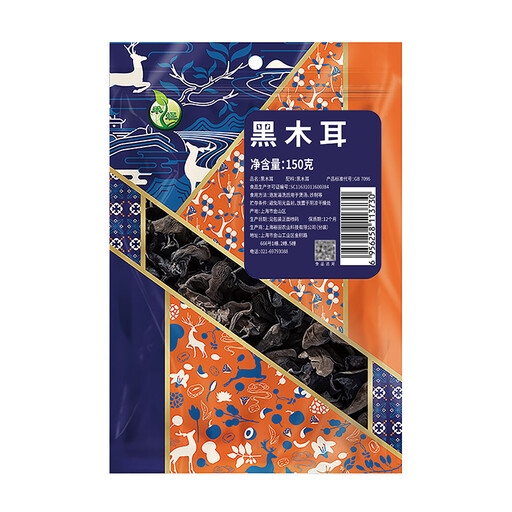
Why This Fits Their Persona: Ideal for anyone looking to prepare authentic stir-fries and salads. This mushroom is straightforward to use and delivers the classic, firm-to-the-bite texture required in many Chinese recipes.
You're buying a versatile staple ingredient instead of investing in an expensive specialty mushroom whose application you're not yet familiar with. This wood ear mushroom is a workhorse for the everyday kitchen.
Whole, sun-dried mushrooms that develop a crisp texture after soaking. Low in fat and rich in dietary fibre.
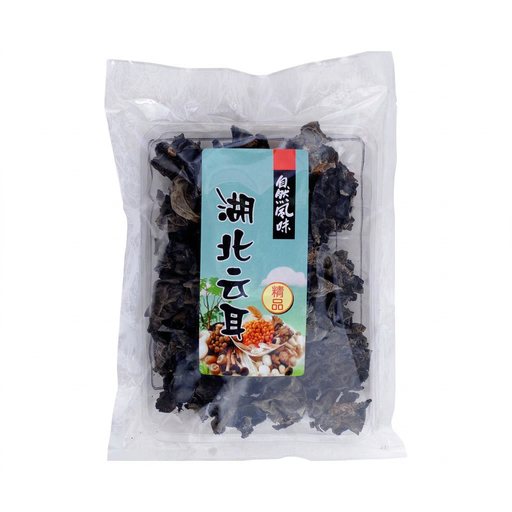
Why This Fits Their Persona: Those who cook regularly appreciate ingredients with specific, reliable properties. This "Cloud Ear" mushroom from Hubei, a region known for its quality, offers a more delicate and refined texture than standard wood ear mushrooms.
You avoid the problem of buying generic wood ear mushrooms that turn out to be too thick or tough. The "Cloud Ear" designation and Hubei origin are concrete quality indicators.
Thin, delicate texture with excellent rehydration capacity. Absorbs flavours very well and is ideal for stir-fries, soups, and cold appetisers.
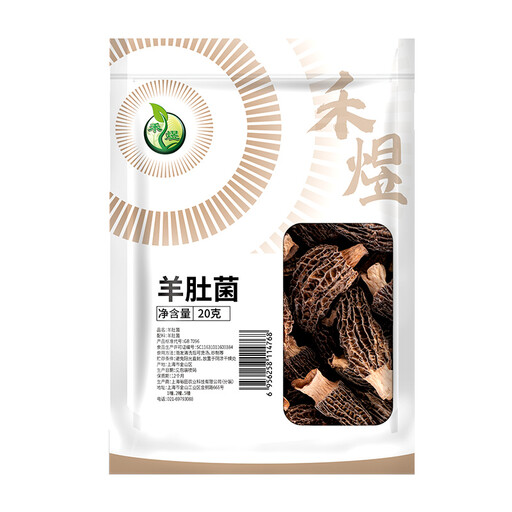
Why This Fits Their Persona: For special occasions or when a dish needs an exceptional touch. Morels are a gourmet ingredient that impresses with their intense, nutty aroma and unique texture.
You are making a targeted investment in an objectively high-quality ingredient for a special dish, rather than paying a high price for a standard product marketed as "premium." The morel is unmistakably a delicacy.
Whole, dried morels with their characteristic honeycomb structure. They impart a deep, woodsy aromatic note to sauces, risottos, and stews.
We have compiled a complete, up-to-date list of products that meet these strict selection criteria and quality requirements.
1. How long should you soak dried mushrooms? The soaking time varies depending on the mushroom type and thickness. As a rule of thumb:
2. Can you use the mushroom soaking water? Yes, especially with shiitake mushrooms. The soaking water is full of umami and is an excellent flavour enhancer for broths, sauces, and soups. However, it should be filtered through a fine-mesh sieve or a cheesecloth to remove any potential sand or dirt particles. With other mushroom varieties, the water is often less aromatic and can be discarded.
3. How can I identify good quality in dried shiitake mushrooms? Look for thick, meaty caps and a low percentage of stems or broken pieces. A light-coloured underside and a deep, earthy aroma are good signs. A special quality feature is the presence of fine cracks on the top of the cap, which indicate slow growth and a high concentration of flavour compounds.